



Gold Gilt Platter
A gold gilt platter brings warmth and reflective brilliance to a room, offering surface richness that elevates both grand service and quiet display.
Gold Gilt Platter
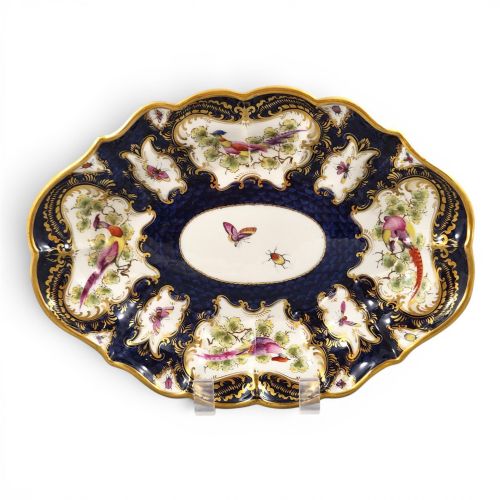
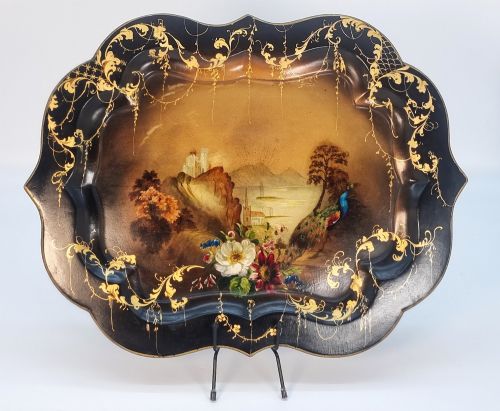
A gold gilt platter encompasses a wide variety of serving dishes, decorative plates, and chargers found across the nineteenth century and earlier. Buyers encounter pieces ranging from ornate French porcelain centrepieces with gilt bronze mounts to traditional English cabinet plates and papier-mâché serving trays.
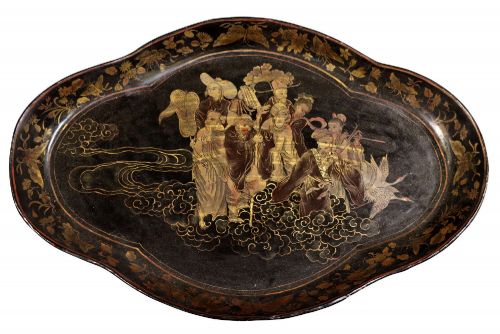
The form stretches across distinct aesthetic movements, including Neoclassical, Rococo Revival, and Chinoiserie. Many items serve primarily as cabinet dishes or decorative chargers rather than practical dining ware, intended to catch the light from sideboards and walls.
Origins span major European centres such as Vienna, Sevres, and Limoges, alongside English factories like Royal Worcester and Copeland. Japanese export porcelain also appears within this selection, demonstrating how widely gilding was applied to diverse ceramic traditions.
Materials and construction
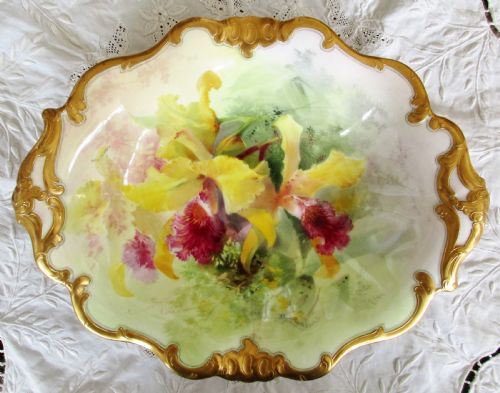
Porcelain forms the structural base for the majority of these pieces, providing a smooth white ground for hand-painted mythological scenes and botanical studies. Enamel work and gold leaf apply decorative highlights that contrast against deep cobalt blue or white glazes.
Gilding techniques involve the application of gold leaf or liquid gold to ceramic surfaces, bronze mounts, and papier-mâché bodies. Papier-mâché trays utilise layered paper pulp pressed and treated with durable lacquers before receiving their gilt ornament.
Metal components, particularly on French centrepieces, incorporate cast gilt bronze mounts that frame ceramic bowls and support figural scenes. Solid silver gilt provides an alternative heavy metallic foundation for large sideboard dishes.
Gold Gilt Platter Retail Price Guide 2026
Typical asking prices for gold gilt platter among the pieces listed under this phrase on Sellingantiques today, from the lower quarter to the upper quarter. They describe what is for sale here now, not the wider market.
Several plates depict classical deities like Bacchus, Ariadne, and Venus at work, proving that even mythology needed a gilded edge.
Judging quality and execution
The distinction between standard production and exceptional work lies in the fineness of the hand-painted detail. Painted subjects depicting mythological narratives or botanical specimens require skilled brushwork that elevates a simple plate into a cabinet masterpiece.
The application and preservation of the gilding determine much of the visual impact. Heavy, burnished gold leaf retains its brilliance and crisp relief far better than thin washes that suffer from rubbing and cleaning over generations.
Structural integrity of the base material, whether solid silver, papier-mâché, or hard-paste porcelain, governs longevity. Pieces retaining their original mounts, unblemished enamel, and factory marks command greater attention from collectors.
Royal Worcester·Royal Doulton·Jennens and Bettridge·Louis Pierre Malpass
The Gold Gilt Platter Glossary
- Charger
- A large decorative plate traditionally used on sideboards or beneath smaller course plates. These pieces often feature elaborate painted scenes and extensive gilding.
- Gilding
- The application of gold leaf, powder, or liquid to the surface of porcelain, metal, or papier-mâché. This technique provides the characteristic metallic sheen seen on these platters.
- Cabinet dish
- A decorative plate or dish intended for display inside a cabinet or on a wall rather than for everyday dining. They typically showcase high artistic skill and delicate painted decoration.
- Champlevé enamel
- A technique where troughs or cells are carved into a metal surface and filled with vitreous enamel before firing. It frequently appears alongside gilt bronze mounts on nineteenth-century French pieces.
- Papier-mâché
- A composite material made from paper pulp or reinforced sheets mixed with glue, then moulded and lacquered. Trays made this way offer a lightweight yet sturdy base for gilt decoration.
Gold Gilt Platter: Frequently Asked Questions
What is a gold gilt platter used for?
These pieces function primarily as decorative chargers, serving dishes, and cabinet plates designed to enhance interior displays. In past centuries, large platters held fruit or served formal dining roles, while smaller examples decorated drawing rooms.
Today, collectors use them to introduce metallic warmth and historic artistry to mantelpieces, sideboards, and wall displays.
How do I clean a gilt platter?
Cleaning requires extreme care to prevent the loss of fragile gold leaf and delicate overglaze enamel. Dusting with a soft, dry cloth is usually sufficient for pieces kept on display.
Water and chemical cleaners must be avoided, especially on antique papier-mâché and nineteenth-century porcelain, where moisture can lift the gilding.
Are these platters safe for food?
Most antique cabinet dishes and chargers are intended for decorative display rather than culinary use. Historic glazes and gold leaf can wear away or contain materials unsuited for modern food contact.
Dry foods may be presented on sturdy serving trays, but valuable nineteenth-century porcelain is best kept away from daily dining.
How do I date a porcelain platter?
Dating relies on maker marks, factory ciphers, and stylistic indicators such as Neoclassical motifs or Victorian floral painting. Examining the footrim and the wear on the base also offers clues regarding age.
Reference guides specific to factories like Vienna, Sevres, and Royal Worcester help match backstamps to exact production years.