




Gold Gilt Leather Book
Gold gilt leather book pieces are bound volumes and decorative objects finished with precious metal leaf and leather, prized for their rich historic character and tactile craftsmanship.
Gold Gilt Leather Book
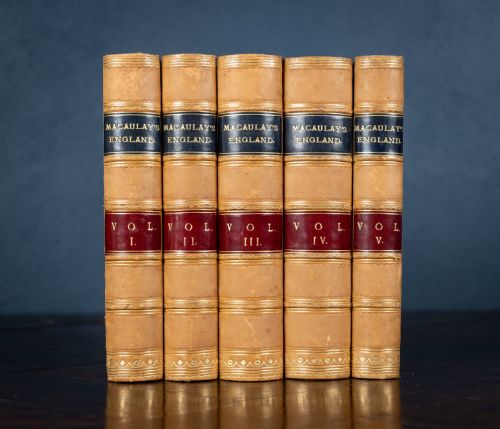
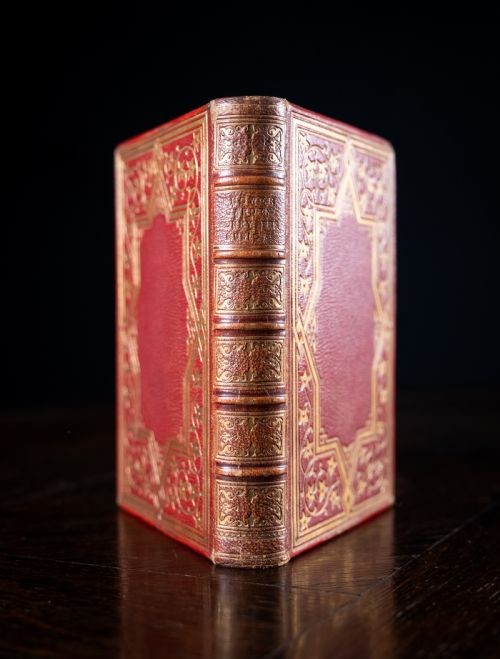
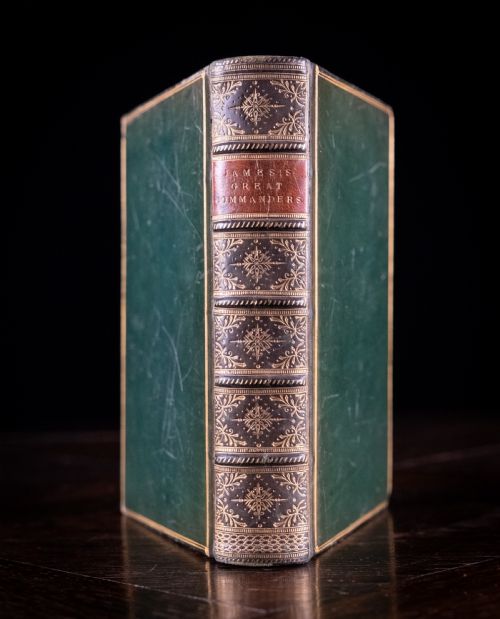
A gold gilt leather book typically appears as a single volume, a complete multi-volume set, or a miniature notebook originating from the eighteenth, nineteenth, or early twentieth century. These items span literary works, histories, poetry, and technical volumes, alongside related forms such as desk blotters and book-tables.
The nineteenth century provides the bulk of these examples, featuring Victorian bindings, ornate text blocks, and decorative covers. Buyers encounter calfskin bindings, French texts, and illustrated fiction bearing distinct historical dates and publication years.
How they were made
Binders constructed these volumes using sturdy materials including leather, calfskin, cardboard, and wood for the structural boards and spines. Paper formed the internal text blocks, while brass hardware occasionally appeared on specialised desk accessories and tables.
Makers applied gold leaf and gilt tooling directly onto the leather surfaces to create detailed ornamentation, lettering, and decorative borders. Artisans sometimes incorporated silk-work into related furniture pieces such as book-tables.
Listings feature items spanning the eighteenth, nineteenth, and early twentieth centuries, produced in materials including calfskin, wood, and brass.
What varies in quality
The crispness and depth of the gilt tooling against the leather surface distinguish finer examples from standard production. Well-preserved bindings retain the brilliance of the gold leaf and the suppleness of the original calfskin.
Completeness alters the character of these items, as uniform multi-volume sets carry greater architectural presence on a shelf than isolated single books. The presence of first editions, original illustrations, and period bindings further elevates the standing of individual volumes.
Thomas Babington Macaulay·Léon Bakst·Elihu Burritt·Thomas James·G P R James·J J Blunt·William Shakespeare·Samuel Maunder·Goethe·Sophie Rista Cottin·Thomas Berwick·William Cowper
The Gold Gilt Leather Book Glossary
- Gilt
- The application of gold leaf or gold powder onto a surface to provide metallic decoration. It catches the light and highlights the tooling.
- Calfskin
- A fine, smooth leather derived from the skin of a calf, frequently utilised for quality book bindings. It accepts tooling and gilt exceptionally well.
- Tooling
- The process of impressing decorative designs or lettering into book covers using heated metal tools. This technique defines the exterior aesthetic of antique volumes.
- Text block
- The inner block of sewn or glued paper pages that forms the core of a book. It sits within the outer leather and cardboard binding.
- First edition
- The earliest printed appearance of a work issued from the original type setting. Collectors value these for their textual priority.
Gold Gilt Leather Book: Frequently Asked Questions
How should I clean a leather book?
Dust bindings gently with a soft, dry cloth to remove surface particles without disturbing the fragile leather surface.
Avoid applying modern cleaning liquids or excessive moisture, which can permanently damage the paper and gilt elements.
Can I store these books upright?
Store volumes upright on sturdy shelves that provide adequate lateral support to prevent the text blocks from leaning.
Keep them away from direct sunlight and damp environments to protect the leather and gold leaf from deterioration.
How do I identify nineteenth-century bindings?
Look for characteristic Victorian publishing styles, typography, and decorative cloth or leather textures recorded across the period.
Examine title pages and preliminary leaves for printed dates, publisher locations, and edition notices.
What is a book-table?
A book-table is a functional piece of furniture incorporating leather-bound elements or book storage into its design.
These unusual items sometimes feature decorative surfaces such as inset silk-work alongside traditional woodwork.