

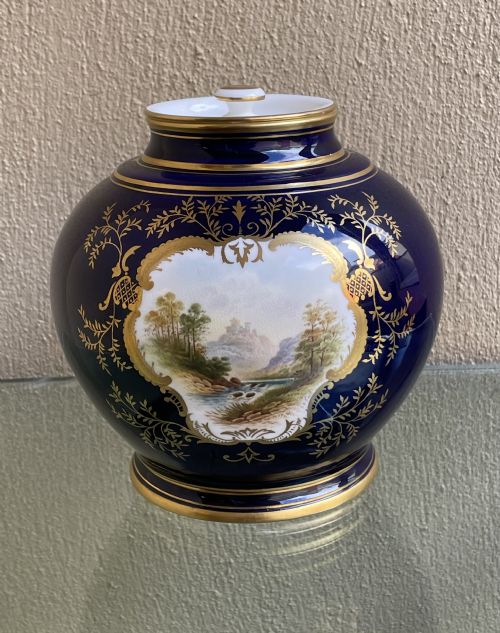


Gold Gilt Jars
Gold gilt jars bring warmth and reflective light to a room, spanning decorative porcelain, glass apothecary vessels and Japanese satsuma ware.
Gold Gilt Jars
When you search for gold gilt jars, you encounter a diverse selection of containers ranging from nineteenth-century apothecary glassware to English porcelain and Japanese satsuma ware. These items served various practical and decorative roles, including storing medicines, dispensing tinctures, and holding pot pourri.
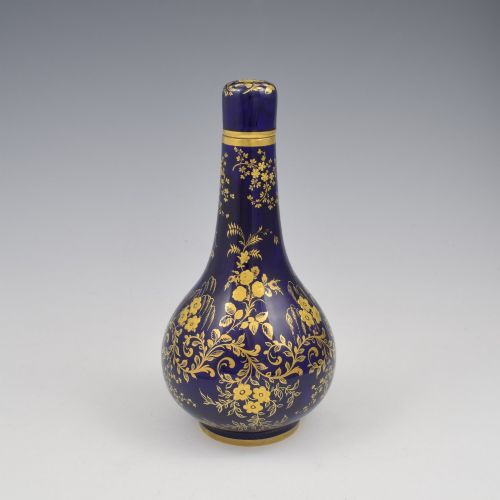
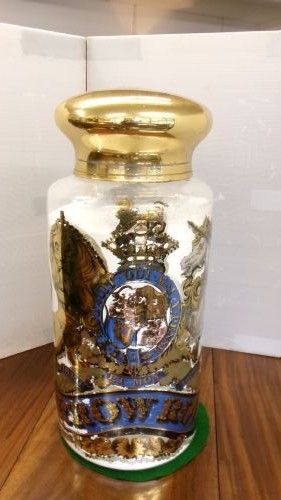
The version you are most likely to meet on this page is the nineteenth-century ceramic or glass vessel, often enhanced with gold leaf, gilding, or vermeil. Examples span Georgian apothecary bottles, Victorian vases, and mid-century Royal Worcester pieces.
Makers and studios from England, France, and Japan shaped these objects across periods such as the Meiji era and the Edwardian decades. Each piece reflects the aesthetic priorities of its origin, combining utility with ornamental surface decoration.
How they were made
Potters and glassmakers utilised materials such as porcelain, earthenware, glass, and brass, applying gold leaf, enamel, and gilding to enrich the surfaces. Glass apothecary jars were blown and shaped for chemical storage, whilst ceramic vessels underwent high-temperature firing before receiving detailed hand-painted scenes and gilded accents.
Metalwork items relied on techniques like chasing brass or applying ormolu mounts to glass and porcelain bodies. Artisans in diverse studios balanced structural integrity with decorative brilliance, ensuring that applied metal layers adhered to ceramic glazes or glass walls.
Gold Gilt Jars Retail Price Guide 2026
Typical asking prices for gold gilt jars among the pieces listed under this phrase on Sellingantiques today, from the lower quarter to the upper quarter. They describe what is for sale here now, not the wider market.
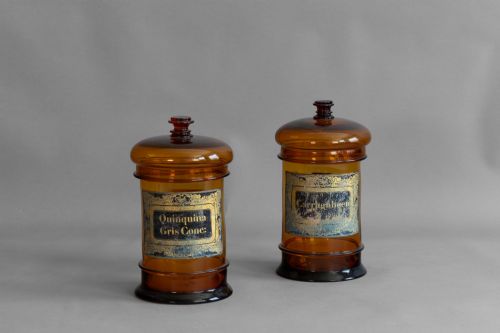
Even chemists required a touch of elegance, storing arrowroot beneath heavy glass covers and gilded labels.
What varies in quality
The distinction between standard production and superior craftsmanship lies in the execution of the hand-painted details and the precision of the gilding. Finer pieces display crisp brushwork, balanced compositions, and securely mounted metal fixtures rather than hasty application.
Material selection and the preservation of the original surface finishes dictate the standing of an individual item. Intact gold leaf, clear enamel colours, and well-preserved glass or porcelain integrity elevate a piece within its historical category.
Royal Worcester·Kyoto Studio·Coalport·Carlton Ware
The Gold Gilt Jars Glossary
- Gilding
- The application of gold leaf or powder to a surface such as wood, stone, glass, or porcelain. It provides a reflective, metallic finish.
- Satsuma
- A type of Japanese earthenware originating from Satsuma province, typically characterised by a crackle glaze and elaborate polychrome and gilt decoration.
- Pot Pourri
- A mixture of dried petals and spices placed in a pierced vessel to scent a room. The vases designed for this purpose feature perforated covers.
- Vermeil
- Silver gilt, comprising sterling silver plated with gold. This technique offers the lustre of solid gold with the structural strength of silver.
Gold Gilt Jars: Frequently Asked Questions
What were apothecary jars used for?
Apothecary jars held medical supplies, dried herbs, chemicals, and liquid tinctures in pharmacies and dispensaries.
Their secure covers protected the contents from moisture and degradation while remaining accessible to practitioners.
How do I identify Satsuma ware?
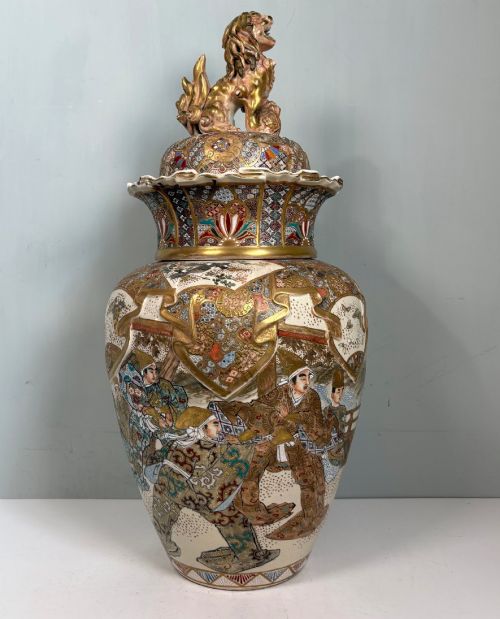
Satsuma ware is recognised by its distinctive cream-coloured earthenware body covered in a fine network of crackle glaze.
Decorations typically combine detailed painted figures or nature scenes with heavy gold gilding.
Where were pot pourri vases placed?
Pot pourri vases sat in principal rooms and parlours to scent the air with fragrant dried plant mixtures.
Pierced lids allowed the aromatic scents to disperse naturally throughout the interior space.
How do I care for gilt ceramics?
Gilt ceramics require gentle dusting with a soft, dry cloth to protect the delicate gold leaf and painted surfaces.
Avoid using water, chemical cleaners, or abrasive materials that could wear away the metallic decoration.