

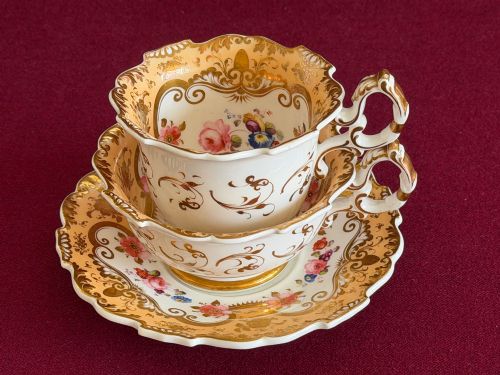
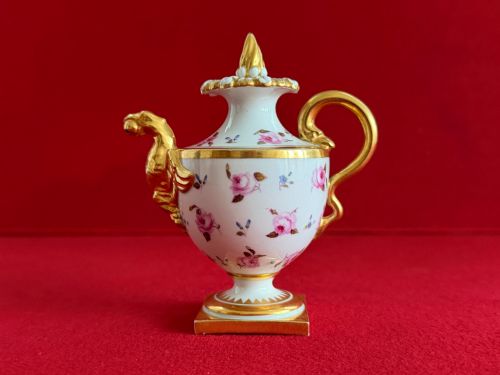
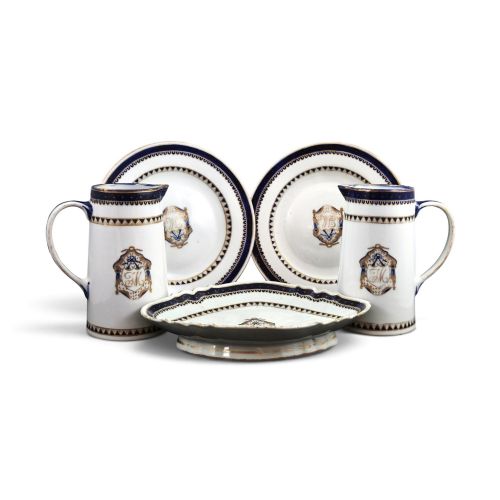
Gold Gilt Ceramic
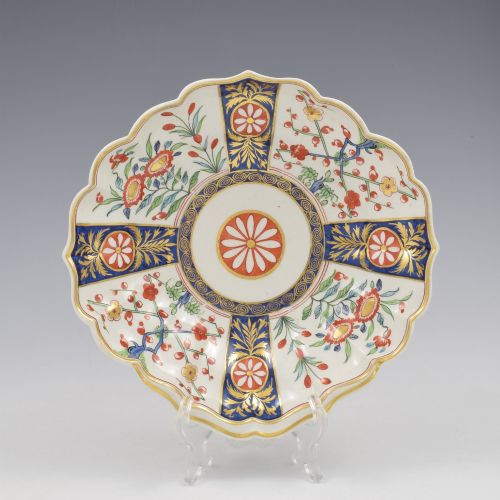
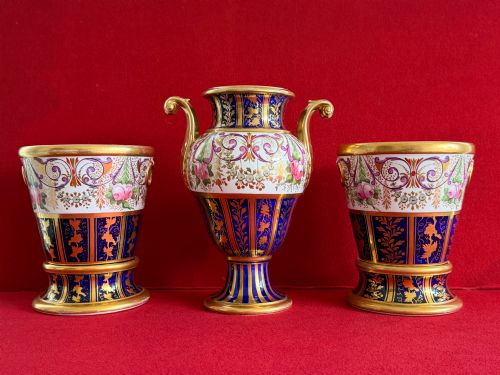
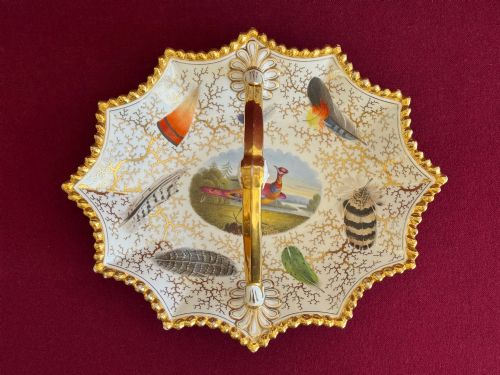
Gold gilt ceramic pieces bring refined English porcelain, earthenware, and bone china together with brilliant metallic leaf and rich hand-painted decoration.
Gold Gilt Ceramic
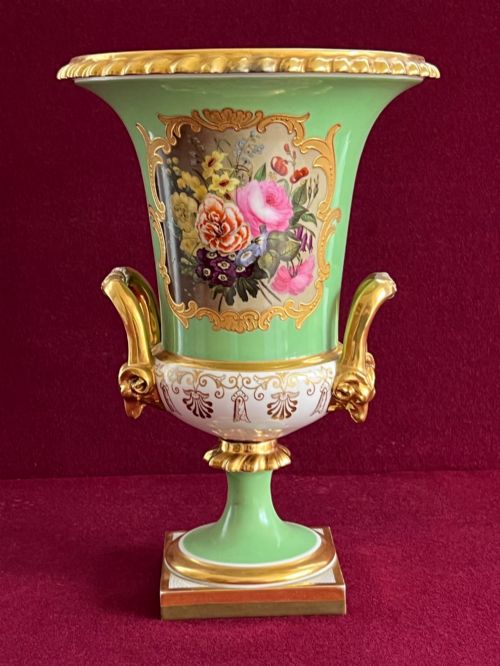
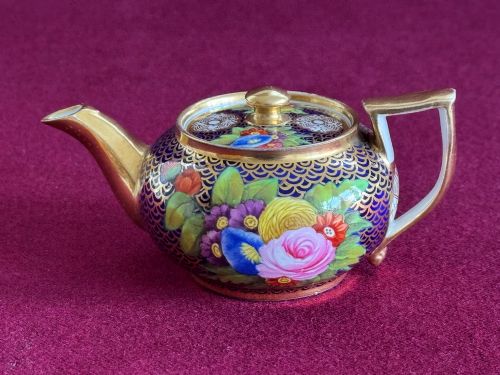
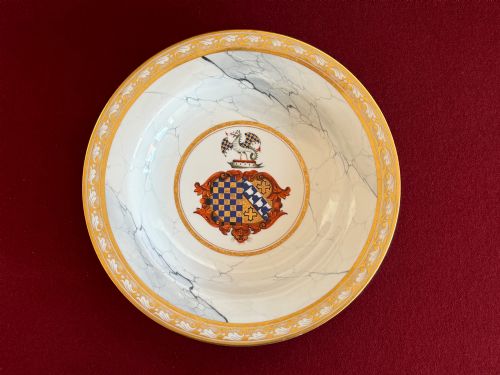
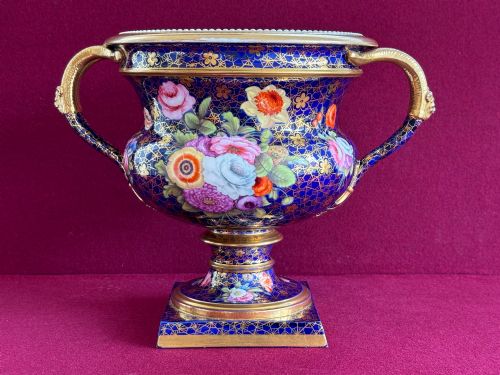
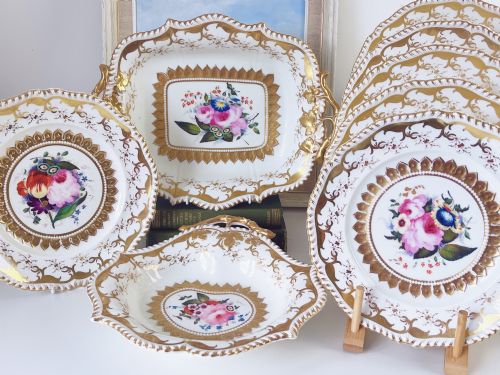
When searching for gold gilt ceramic, buyers encounter a diverse selection of ornamental and functional forms spanning the Georgian, Regency, Victorian, and Edwardian eras. The most frequent discoveries on this page include finely painted cabinet plates, decorative vases, pastille burners, and structured tea wares produced by prominent English factories.
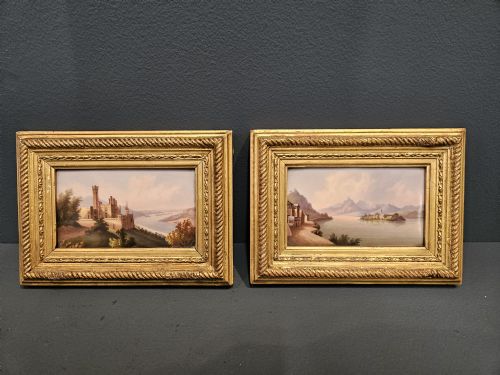
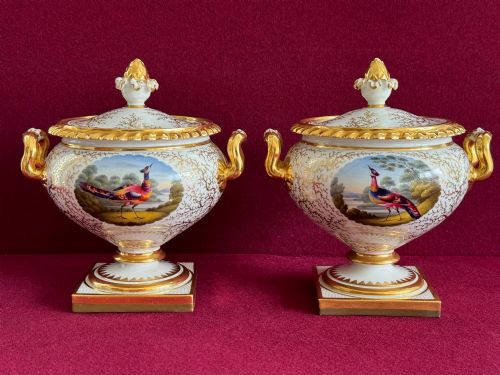
These items originate primarily from historic ceramic centres in Britain, alongside select continental works and export pieces featuring intricate gilding. Forms range from utilitarian cream tureens and dessert services to sculptural spill vases and framed armorial plaques.
How they were made
Potters shaped fine porcelain, bone china, and earthenware bodies before applying foundational coloured glazes and detailed hand-painted scenes of flora, landscapes, or figures. Artisans then meticulously added gold leaf or metallic gilding highlights to accent handles, rims, and borders.
The objects underwent multiple kiln firings to fuse the enamel colours and secure the metallic surface to the ceramic base. Delicate touches like enamel and raised paste gilding added texture and depth to the finished pieces.
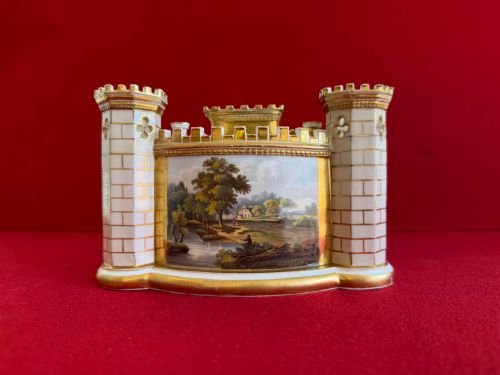
Early porcelain castle spill vases let Regency households safely store matches while dreaming of gothic romances.
What varies in quality
Quality in these ceramics rests on the precision of the hand-painted artistry and the richness of the gilding applied across the surface. Finer examples display crisp botanical or topographical detailing executed by named artists, alongside heavy, burnished gold leaf that retains its brilliant lustre.
The refinement of the ceramic body itself, whether translucent bone china or delicate porcelain, dictates the elegance of the piece. Superior items exhibit balanced proportions, harmonious enamel palettes, and crisp factory marks stamped or painted beneath the glaze.
Flight Barr And Barr·Royal Worcester·Spode·H And R Daniel·Royal Crown Derby
The Gold Gilt Ceramic Glossary
- Gilding
- The application of gold leaf or gold powder to the surface of ceramics for decorative effect. This technique was widely utilised during the Regency and Victorian periods to accentuate borders and handles.
- Bone china
- A type of soft-paste porcelain containing bone ash, resulting in a strong, durable body with high translucency. It became a preferred medium for English factories producing fine tableware and decorative plates.
- Cabinet plate
- A decorative ceramic plate intended for display in a cabinet or mounted on a wall rather than for dining use. These often feature elaborate hand-painted scenes and rich gilt framing.
- Campana shape
- A vase form styled after an ancient Roman bell-shaped krater, featuring a flared rim and a pedestal foot. Makers in the Regency era frequently decorated these vessels with gilt accents.
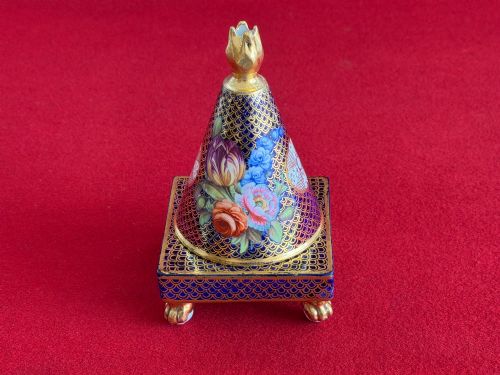
- Pastille burner
- A small ceramic vessel pierced to allow scented smoke to escape from burning pastilles. They were popular interior ornaments during the Georgian and Regency periods.
Gold Gilt Ceramic: Frequently Asked Questions
What are gold gilt ceramics?
Gold gilt ceramics encompass porcelain, bone china, and earthenware items embellished with metallic gold leaf or painted gilding. They include decorative vessels, tea wares, and display plates from historic manufacturing periods.
These pieces showcase the marriage of fine ceramic bodies with elaborate metallic decoration and hand-painted artwork. Collectors prize them for their artistic merit and historical connection to prominent factories.
How were these ceramics used historically?
Many of these gilt items served functional roles in wealthy households, from serving dessert courses to holding water or burning fragrant pastilles. Others were purely ornamental objects displayed on mantelpieces or within glass-fronted cabinets.
Table services and tureens catered to formal dining customs of the Georgian and Victorian eras. Cabinet plates and decorative vases demonstrated the refined tastes and social standing of their owners.
How can I identify the period?
Dating these ceramics involves examining factory marks, pattern numbers, and the distinct stylistic traits of periods like Regency or Victorian. Shape designs and painting styles often align with the prevailing fashions of the manufacturing decade.
Base stamps, painted ciphers, and impressed marks provide direct clues to the maker and operational years. Comparing the paste and glaze characteristics to known historical examples further refines the date of origin.