




Gold Gilded Tazza
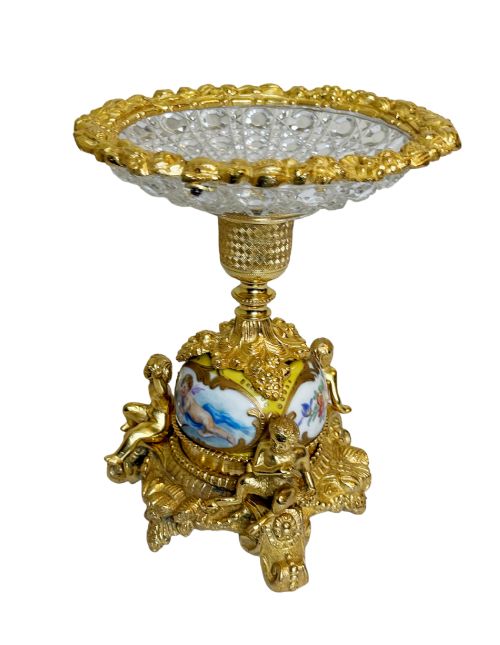
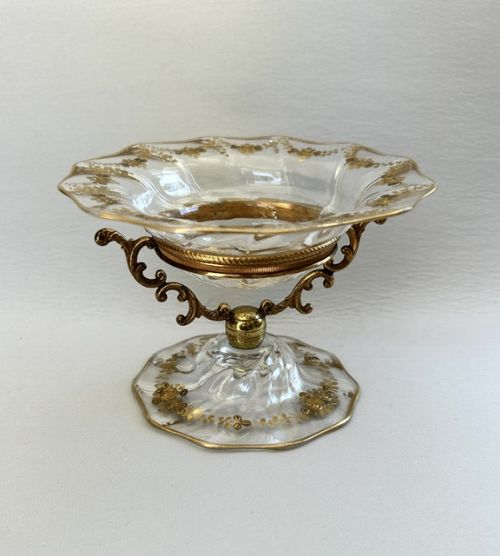
A gold gilded tazza brings a grand display surface to a table, combining shimmering metals with glass or porcelain for formal service.
Gold Gilded Tazza
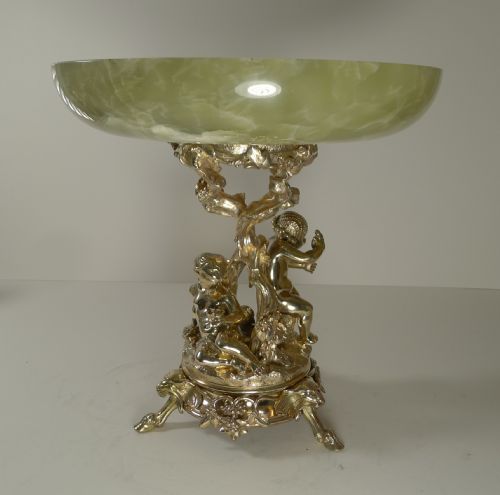
When you search for a gold gilded tazza, you are looking at elevated decorative vessels and centrepieces raised on stems, designed to command attention on a dining table or sideboard. These pieces serve as grand presentation dishes, historically used for fruit, sweetmeats, or simply as ornamental showpieces.
The versions you are most likely to meet on this page come from the nineteenth century and the turn of the twentieth, reflecting Victorian, Edwardian, and French Rococo Revival tastes. They frequently combine gilt bronze, ormolu, or gilded metal with cut crystal, ruby glass, or hand-painted porcelain.
Many examples incorporate elaborate figural mounts such as cherubs or mermen, alongside decorative techniques like champlevé and Limoges enamel. Alongside traditional tazzas, you will encounter related centrepieces, decorative bowls, and dessert service components sharing the same opulent metallic finish.
How they were made
The construction of these pieces relies heavily on metal casting, where bronze, ormolu, and pewter are shaped into intricate mounts, stands, and figural supports. Artisans applied rich gilding to these metal frames to achieve a brilliant, reflective surface.
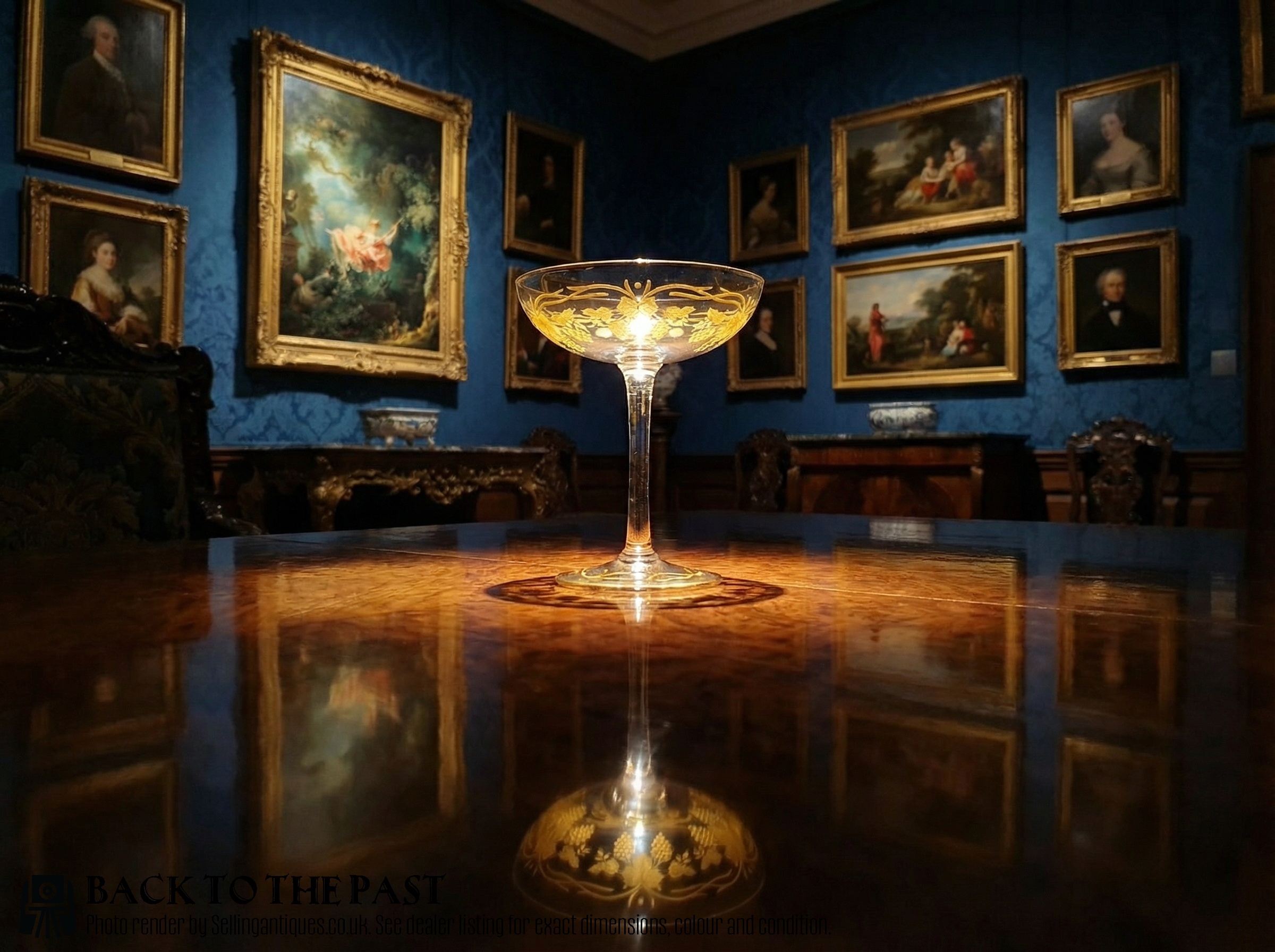
Vessel components are formed from blown and cut crystal, coloured ruby glass, or delicate porcelain bodies. These glass and ceramic elements are frequently enhanced with hand-painted details, grapevine motifs, or cameo glass techniques before being fitted securely into their gilded metal bases.
Listings feature pieces spanning the mid-nineteenth century through to nineteen hundred, encompassing Victorian, Edwardian, and Art Nouveau aesthetics.
What varies in quality
Quality also shows in the material combination and artistic collaboration, such as the integration of genuine Sevres porcelain, Limoges enamel plaques, or heavy cut crystal. The weight of the bronze or ormolu mount and the precision of fit between glass and metal dictate the lasting stature of the object.
John Ridgway·Christofle Paris·Orivit
The Gold Gilded Tazza Glossary
- Tazza
- A shallow ornamental vase or bowl mounted on a stem and foot, traditionally used for serving fruit or sweets. It acts as a primary focal point on a formal table.
- Ormolu
- Gilded bronze, where a finely ground gold-mercury amalgam is applied to a bronze object and heated. This technique produces a durable golden finish characteristic of French decorative arts.
- Champlevé enamel
- A technique where troughs or cells are carved into the surface of a metal object and filled with vitreous enamel before firing. It creates vibrant coloured patterns bordered by thin metal lines.
- Comport
- A large shallow dish or bowl raised on a high foot, closely related in form and function to the tazza. They frequently appear as part of nineteenth-century dessert services.
Gold Gilded Tazza: Frequently Asked Questions
What is a gold gilded tazza used for?
These elevated vessels were historically designed to hold fruit or sweetmeats during formal dessert courses. Today, they function primarily as standalone centrepieces that add height and metallic warmth to a room.
Placed on a dining table, sideboard, or mantelpiece, they draw the eye through their combination of reflective gilding and coloured glass or porcelain.
How do I clean a gilded metal tazza?
Gilded surfaces and delicate enamel or glass require gentle maintenance using only a soft, dry cloth to remove dust. Avoid chemical polishes and abrasive cloths, which can permanently strip the thin layer of gold.
If the glass or porcelain bowl is detachable, it can sometimes be cleaned separately with mild soapy water, provided it is dried thoroughly before reassembly.
How can I tell the period of these pieces?
Stylistic clues such as the flamboyant curves of Rococo Revival or the organic, flowing lines of Art Nouveau provide a reliable guide to the era of manufacture. The materials used, from nineteenth-century champlevé enamel to turn-of-the-century cameo glass, also point toward specific decades.
Maker marks or factory stamps on the porcelain or bronze mounts offer the most precise chronological indicator when present.
Are these centrepieces fragile?
While the bronze and ormolu mounts are robust, the cut crystal, ruby glass, and porcelain components require careful handling. The points where glass or ceramic meet metal are natural stress areas.
Displaying them on stable, level surfaces away from heavy traffic prevents accidental knocks to their elevated stems.