

Gold Gilded Porcelain Dish
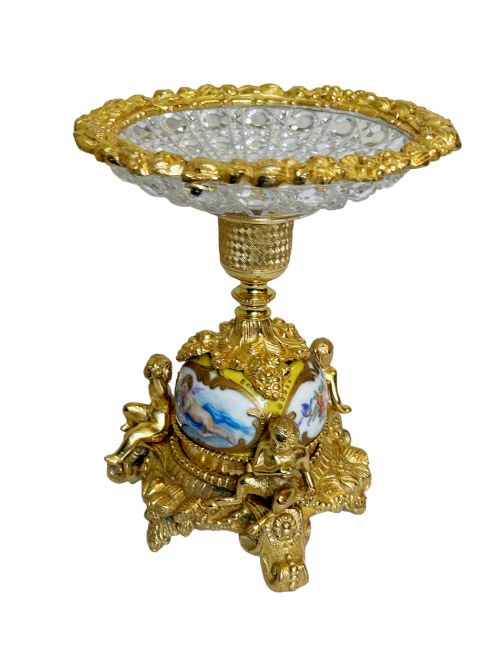
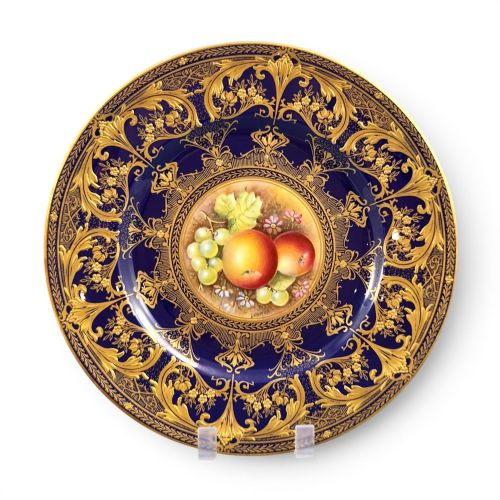
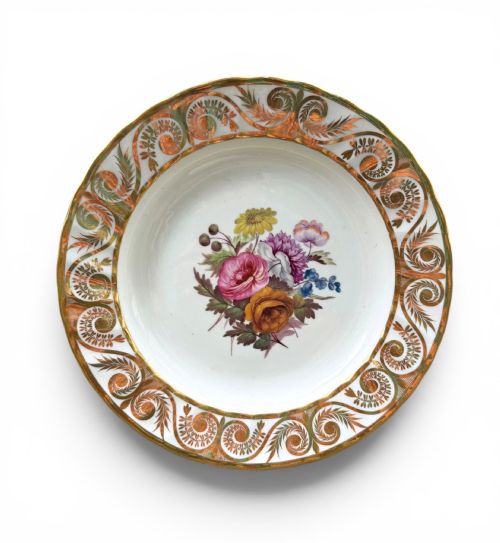
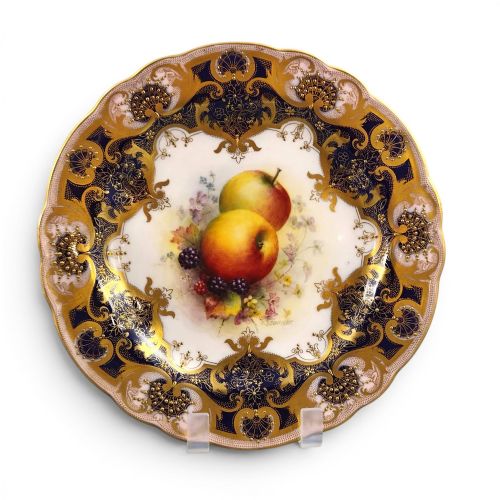
A gold gilded porcelain dish brings together fine ceramic forms and lustrous metallic embellishments, appearing in cabinet plates and decorative bowls from the Georgian period onward.
Gold Gilded Porcelain Dish
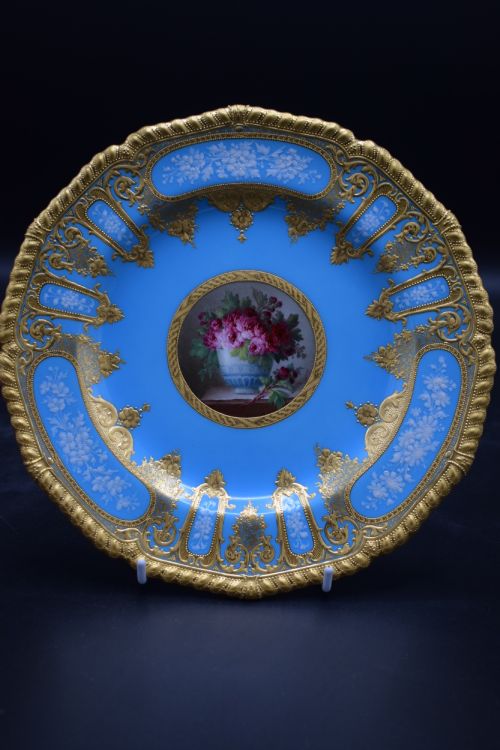
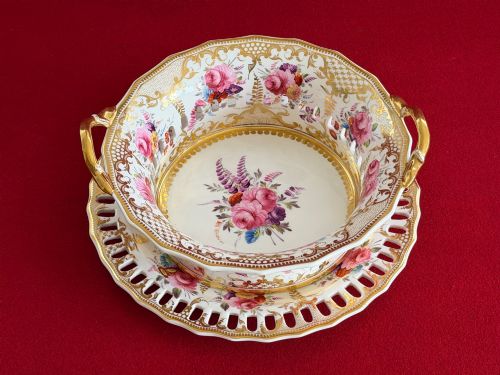
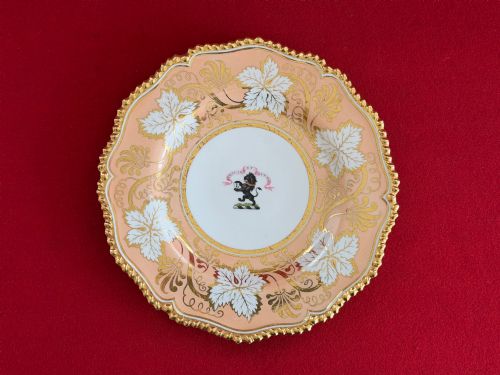
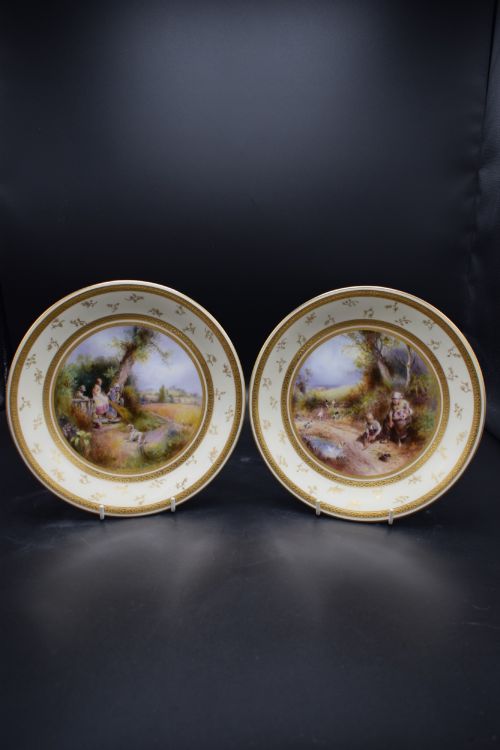
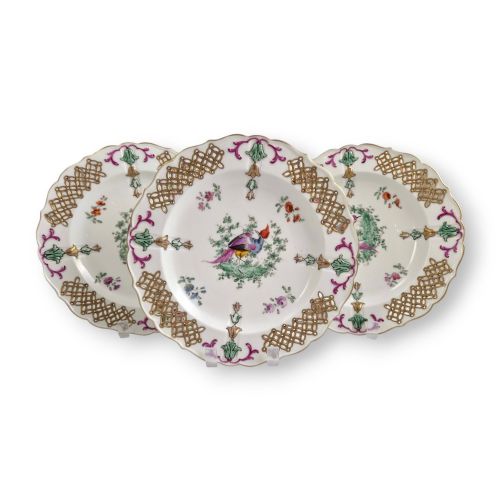
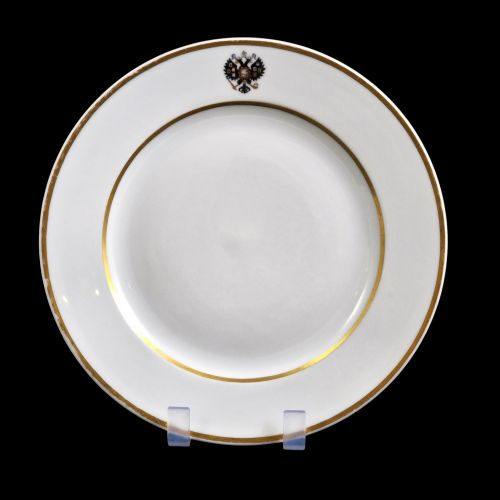
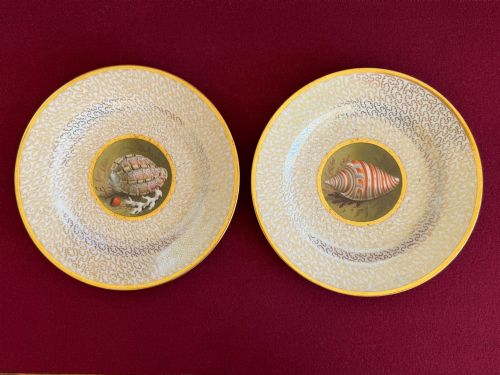
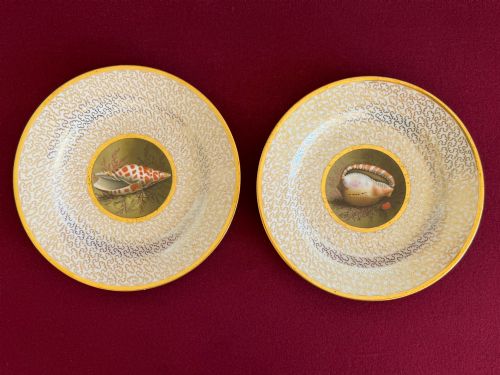
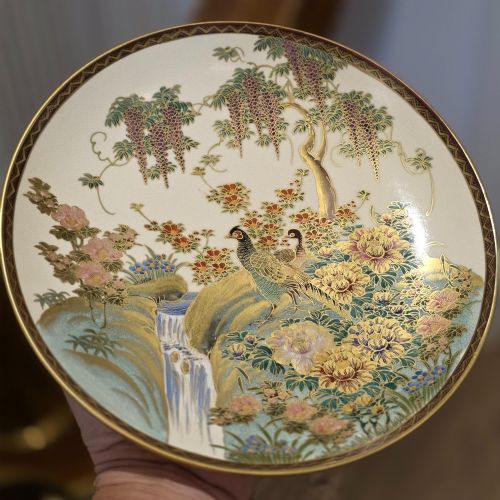
A gold gilded porcelain dish sits at the intersection of ornamental ceramic design and refined metalwork, taking the form of cabinet plates, dessert plates, serving dishes, and bowls. When searching for a gold gilded porcelain dish, buyers encounter examples ranging from early nineteenth-century English manufactories to Japanese Satsuma and Kutani wares.
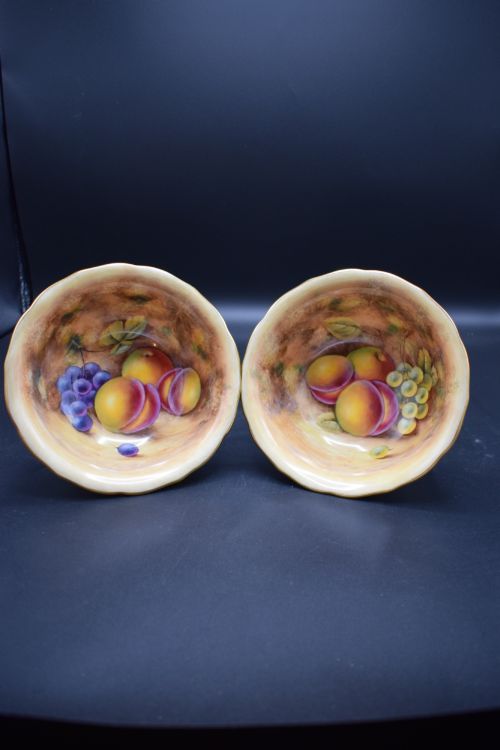
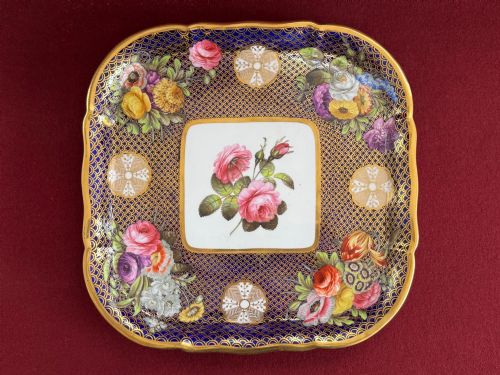
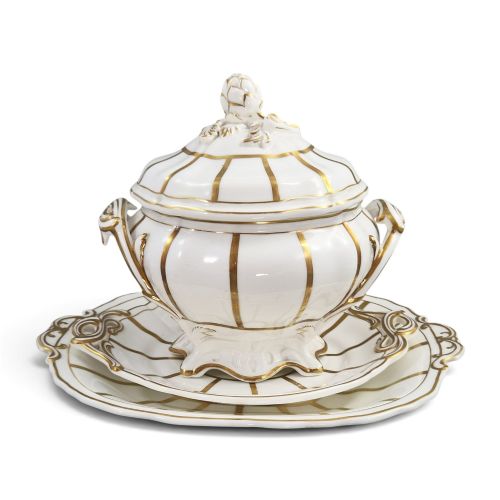
The domestic and decorative vessels on this page span the Georgian, Victorian, and Edwardian eras, with notable twentieth-century output from English factories such as Royal Worcester. Forms include specialised service pieces like sauce tureens alongside display-focused cabinet plates painted with fruit, flowers, and botanical studies.
Makers and artists applied rich gilding and enamel decoration to bone china, earthenware, and hard-paste porcelain. Buyers frequently find pieces marked by historic studios, demonstrating the enduring appeal of gilded ceramic art across diverse global traditions.
Materials and methods
The creation of these objects relies on high-fired porcelain, bone china, or earthenware blanks shaped into plates, bowls, and tureens. Artisans applied hand-painted enamels depicting botanical, floral, or figurative scenes before subjecting the ceramic body to secondary kiln firings.
Gilding was achieved using gold leaf, liquid gold gilt, or gold leaf applications fused to the surface. Craftsmen then burnished the metallic areas to produce contrasting matte and reflective finishes against the glazed porcelain ground.
Gold Gilded Porcelain Dish Retail Price Guide 2026
Typical asking prices for gold gilded porcelain dish among the pieces listed under this phrase on Sellingantiques today, from the lower quarter to the upper quarter. They describe what is for sale here now, not the wider market.
Listings incorporate nineteenth and twentieth-century pieces across Georgian, Victorian, and Edwardian periods, utilising porcelain, bone china, gold leaf, and enamel.
Distinguishing quality
Quality in these ceramics rests upon the crispness of the porcelain body and the refinement of the hand-painted brushwork. Pieces executed by named artists demonstrate superior pictorial control and nuanced shading.
The application and depth of the gilding further divide standard production from exceptional examples. Dense, hand-chased or burnished gold leaf work indicates a higher tier of craftsmanship than routine factory output.
Royal Worcester·Royal Crown Derby·Chamberlains Worcester·Royal Doulton·Wedgwood·Meissen·Coalport·Minton
The Gold Gilded Porcelain Dish Glossary
- Cabinet plate
- A decorative plate intended for display in a cabinet or on a wall rather than for dining use. These often feature elaborate painted scenes and extensive gilding.
- Gilt
- A thin layer of gold applied to the surface of porcelain, bronze, or other materials. It provides the characteristic metallic sheen seen on these vessels.
- Bone china
- A type of soft-paste porcelain incorporating bone ash, yielding a strong, highly translucent ceramic body. It was widely utilised by English potteries.
- Enamel
- A decorative vitreous composition fused to the surface of porcelain through firing. It supplies vibrant, permanent colour to painted motifs.
- Tureen
- A deep covered serving vessel designed for soups, sauces, or gravies. Antique examples often match dessert or dining service plates.
Gold Gilded Porcelain Dish: Frequently Asked Questions
What is a gold gilded porcelain dish used for?
These pieces served both functional roles in formal dining and purely decorative purposes in domestic interiors. Serving dishes and tureens held food at the table, while cabinet plates were displayed to showcase wealth and taste.
Over time, many functional items transitioned into strictly decorative objects. Today, collectors preserve them as examples of historic ceramic art and fine craftsmanship.
How do I date a porcelain dish?
Dating relies on factory backstamps, pattern numbers, and stylistic markers associated with specific periods such as the Georgian or Victorian eras. Hand-painted signatures by known artists also help narrow down the production window.
Comparing the paste, glaze characteristics, and gilding style to documented pieces from makers like Royal Worcester or Chamberlains provides further chronological accuracy.
How should I care for antique gilded porcelain?
Antique porcelain requires gentle handling and manual washing with mild soap and lukewarm water. Harsh detergents and abrasive sponges will damage fragile enamel paints and wear away historic gilding.
Display environments should avoid direct sunlight to prevent the fading of hand-painted pigments over extended periods. Secure mounting is essential if hanging cabinet plates on walls.
Are Japanese and European dishes different?
Japanese examples from traditions like Satsuma and Kutani typically feature distinct earthenware or porcelain bodies heavily decorated with intricate gilt and enamel patterns. European pieces from factories like Meissen or English manufacturers follow neoclassical, rococo, or botanical traditions.
Both regional streams share an emphasis on rich gold gilding, though their underlying aesthetic vocabulary and clay compositions reflect their respective origins.