

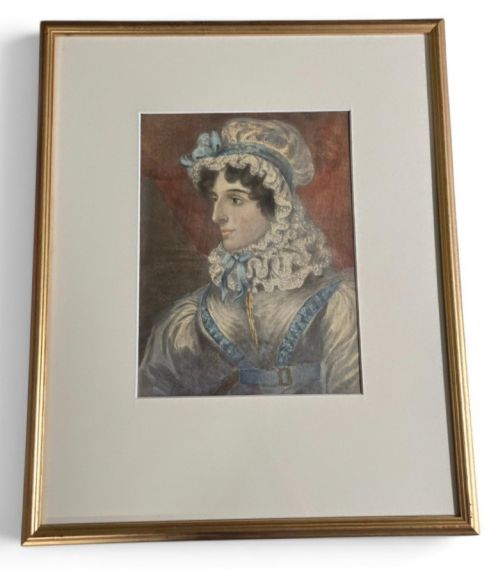
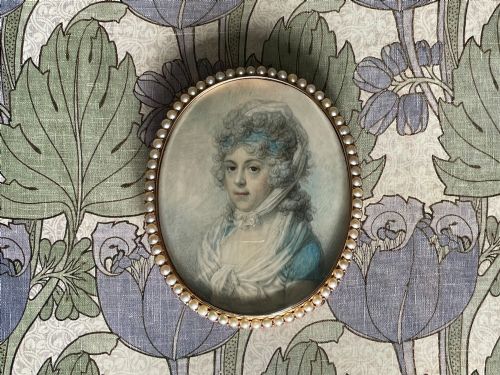
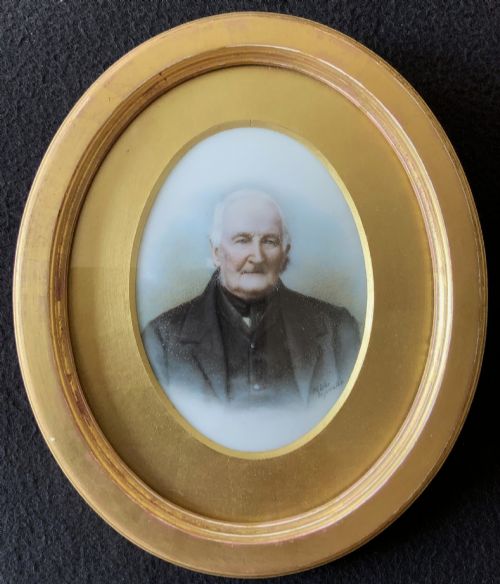
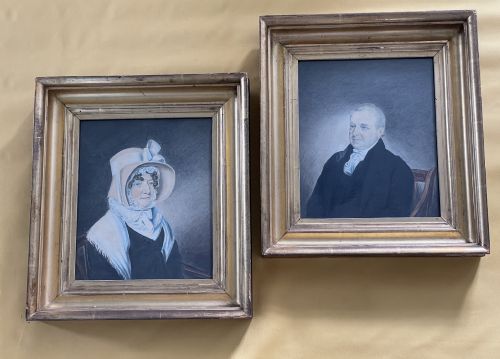
Gold Framed Watercolour Portrait
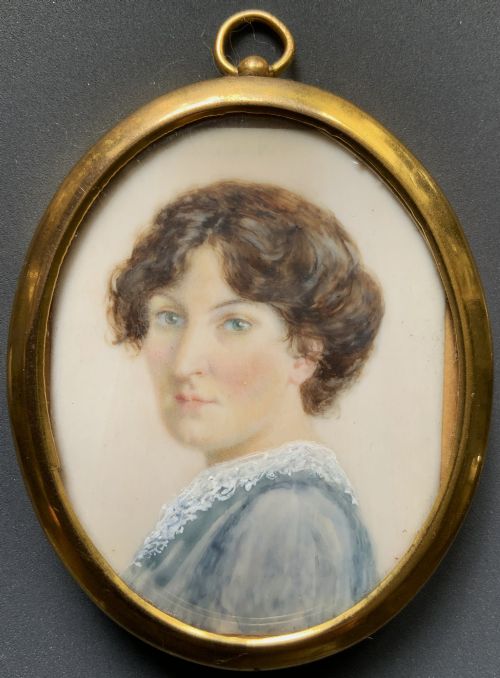
A gold framed watercolour portrait holds likenesses on paper behind glass, bound in precious metal or gilt wood.
Gold Framed Watercolour Portrait
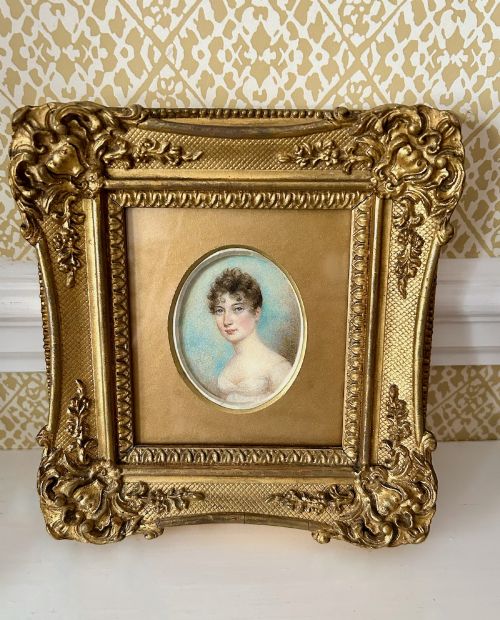
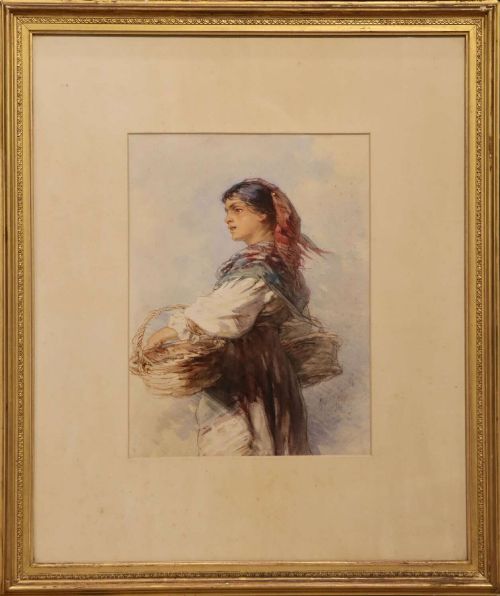
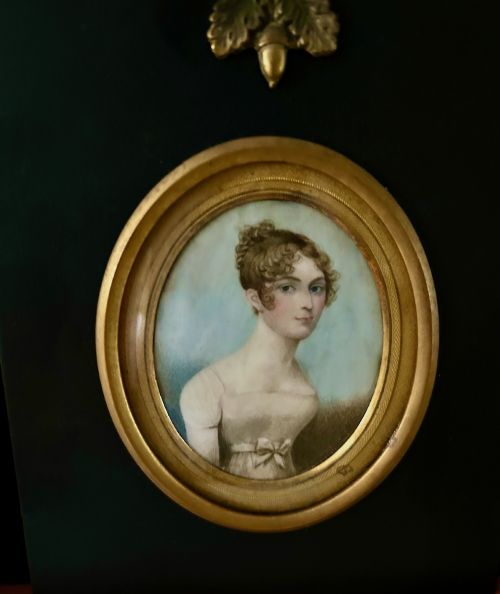
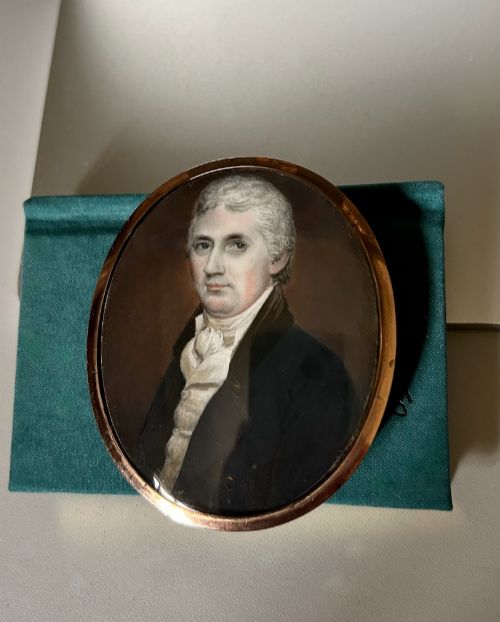
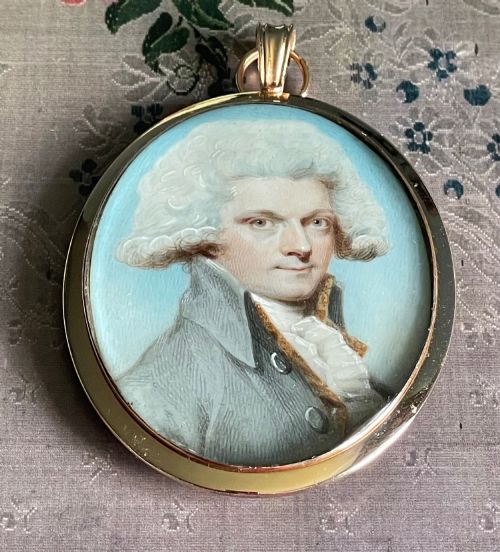
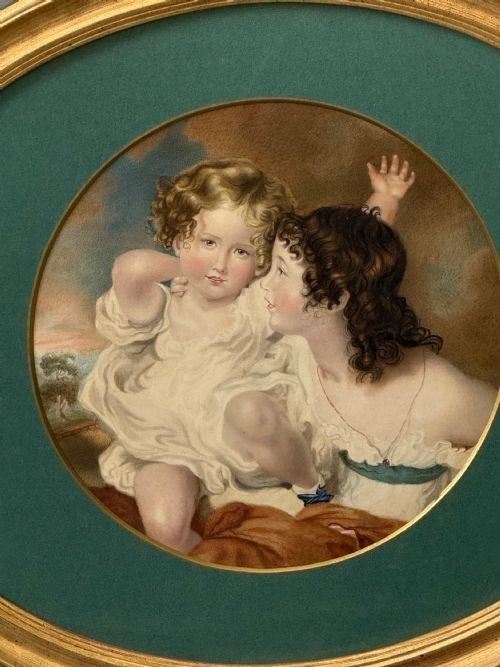
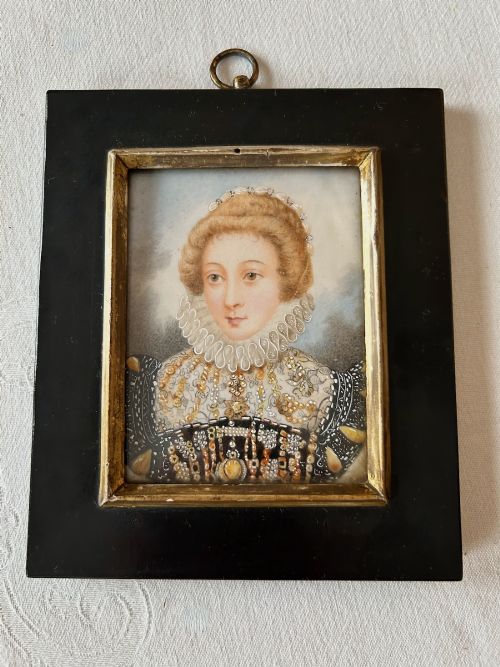
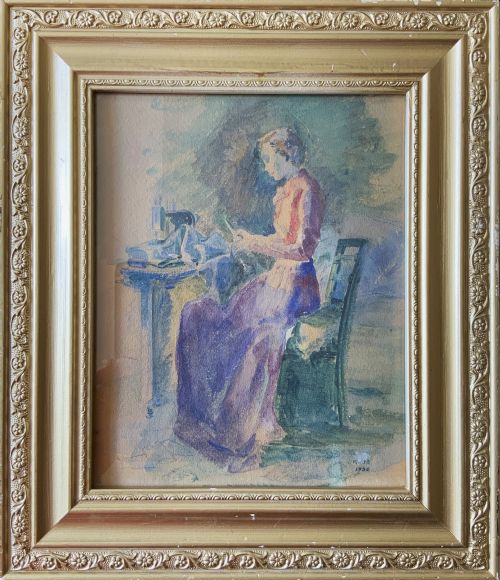
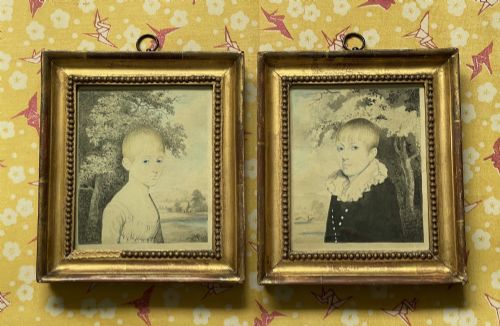
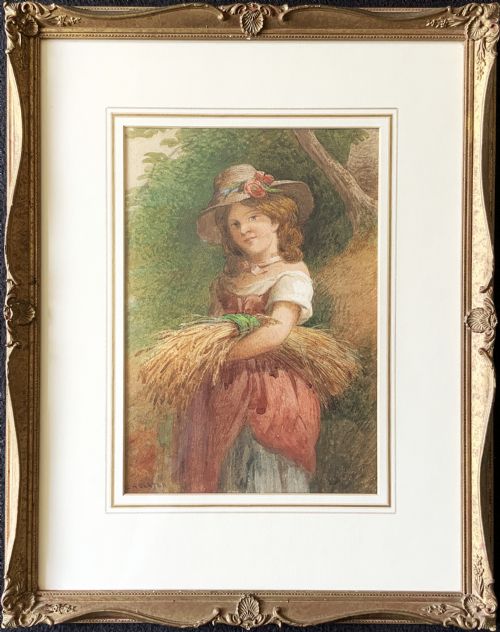
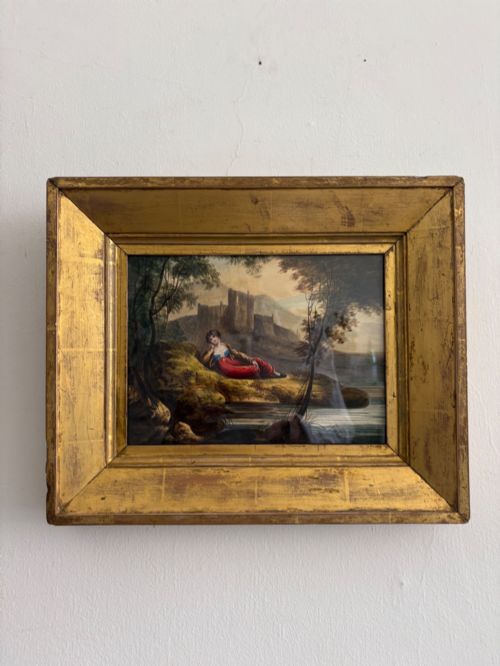
A gold framed watercolour portrait captures human subjects, ranging from intimate miniature paintings to larger Victorian and Georgian compositions on paper. These works span centuries of portraiture, including character studies, children, and notable historical figures executed in delicate pigments.
Buyers encounter works from the 18th century through to the mid-20th century, encompassing Regency and Victorian eras alongside mid-century impressionist examples. The collection includes both small pendant miniatures intended for personal wear and larger framed wall art.
Origin points vary widely, covering English schools, French traditions, Anglo-Indian works, and Mughal depictions. Many examples display the distinct hand of named artists or sit comfortably within recognised regional traditions.
Materials and construction
Artists painted primarily with watercolour pigments upon paper or occasionally directly onto glass, sometimes combining gouache for added opacity and depth. These delicate painted surfaces require protection behind glass to prevent moisture and dust damage.
The surrounding enclosures utilise gilt metal, gilt wood, or solid gold leaf, creating luminous borders that reflect light onto the pigment. Structural support commonly relies on traditional wood backing frames, often ornamented with seed pearls or ornate moulding in period styles.
Gold Framed Watercolour Portrait Retail Price Guide 2026
Typical asking prices for gold framed watercolour portrait among the pieces listed under this phrase on Sellingantiques today, from the lower quarter to the upper quarter. They describe what is for sale here now, not the wider market.
Listings span the 18th, 19th, and 20th centuries, uniting Georgian miniatures with Victorian genre scenes and mid-century impressionism.
Factors of quality
The preservation of the paper and pigment alongside the integrity of the original gilt frame determines overall desirability. Retaining original glass, backing, and authentic period mountings preserves the historical cohesion of the piece.
Guido Bach·Henri Fradelle·Charles Shirreff·Richard Cosway·Frederick Buck·Charles Henry Slater·George Engleheart
The Gold Framed Watercolour Portrait Glossary
- Watercolour
- A painting method where fine pigment is suspended in a water-based solution and applied to paper.
- Miniature painting
- A highly detailed, small-scale portrait often executed on ivory, vellum, or card.
- Gilt wood
- Timber treated with a thin layer of gold leaf or gold paint to create a metallic sheen.
- Gouache
- An opaque water-based paint that allows for solid highlights and saturated colour blocks.
- Georgian
- A design period spanning the reigns of the first four Georges, known for refined classical proportions.
Gold Framed Watercolour Portrait: Frequently Asked Questions
How should I hang or display a gold framed watercolour portrait?
Keep these works away from direct sunlight to prevent the watercolour pigments from fading over time. Stable room temperatures protect both the delicate paper and the integrity of the antique gilt frame.
Mount the piece securely on an interior wall using appropriate fixings suited to the weight of the timber and glass. Avoid damp areas such as kitchens or bathrooms where moisture can penetrate behind the glass.
How do I identify a Georgian portrait miniature?
Georgian miniatures typically feature intimate head-and-shoulders depictions of sitters dressed in period attire, often housed in 14K gold pendant frames. The painting style relies on fine, stippled brushstrokes to render skin tones realistically.
Examining the reverse often reveals braided human hair or commemorative ciphers placed beneath glass. The mounting hardware and fastenings from this era show hand-beaten characteristics distinct from later mass production.
What is the difference between a miniature and a standard watercolour?
Portrait miniatures are created on a very small scale, intended to be held in the hand or worn as jewellery rather than hung on a wall. They require a magnifying glass to appreciate the extreme precision of the brushwork.
Standard watercolours occupy conventional framed dimensions for wall display. Their compositions allow for broader washes of colour and broader background details compared to tightly focused miniatures.
Can I replace the glass on an antique frame?
Original hand-blown glass often contains subtle ripples and bubbles that contribute to the historical character of the piece. Retaining this glass maintains the authenticity of the framing assembly.
If replacement becomes necessary due to breakage, opt for museum-grade glass to reduce glare and block ultraviolet light. Ensure the replacement fits securely within the antique rebate without damaging the surrounding gilt wood.