





French Orientalist Painting
French orientalist painting captures nineteenth and twentieth century scenes of North Africa and the Middle East through European eyes.
French Orientalist Painting
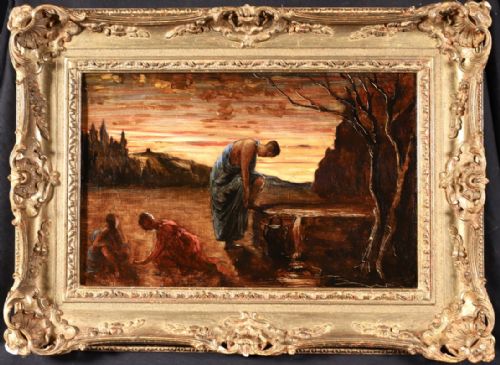
French orientalist painting encompasses framed watercolours, oil paintings on canvas, and encaustic compositions from the nineteenth and twentieth centuries. These works record distant landscapes, figures, and architectural motifs through distinct academic and avant-garde traditions.
Buyers encounter watercolours and oil paintings alongside related sculptures, porcelain dishes, and painted panels that share the same aesthetic vocabulary. The examples span traditional academic realism through to early twentieth century avant-garde approaches.
How they were made
Artists worked primarily with oil paint or watercolour applied to canvas and paper supports, occasionally utilising encaustic techniques on canvas. Painters built rich pictorial surfaces through layered pigments, capturing specific atmospheric conditions and details of costume.
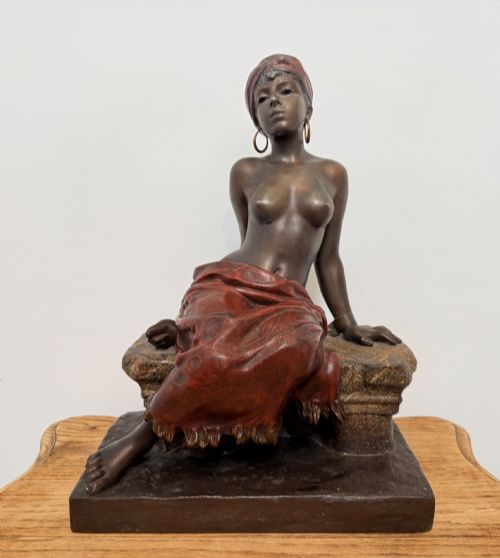
Makers also decorated porcelain plates and formed patinated bronze and cold-painted bronze sculptures to complement the pictorial arts. These three-dimensional pieces employed lost-wax casting and careful surface finishing to render figurative subjects.
French Orientalist Painting Retail Price Guide 2026
Typical asking prices for french orientalist painting among the pieces listed under this phrase on Sellingantiques today, from the lower quarter to the upper quarter. They describe what is for sale here now, not the wider market.
Listings feature nineteenth and twentieth-century paintings, watercolours, and bronze sculptures spanning the academic tradition through to early avant-garde movements.
What varies in quality
Quality rests upon the sureness of the draftsmanship and the sophistication of the colour palette used to construct the scene. Superior works demonstrate a confident handling of light and shadow that brings depth to the composition.
The precision of the surface finish on associated bronzes and ceramics determines the distinction between standard decorative items and finer studio pieces. Skilled chasing and painting elevate the presence of figurative and decorative details.
Charles Bellay·Arthur Waagen·Girieud·Alexandre Decamps·Louis Hottoot·Louis Pierre Malpass·Robert Camille Quesnel
The French Orientalist Painting Glossary
- Encaustic
- A painting technique using heated beeswax mixed with coloured pigments. This method creates a durable surface with a distinct matte texture.
- Watercolour
- A painting method where fine pigment is suspended in a water-based solution. Artists apply these transparent washes onto paper to achieve luminous effects.
- Patinated bronze
- A copper alloy sculpture treated with chemicals to produce a specific surface colour. This process protects the metal while enhancing sculptural contours.
- Avant-garde
- Artworks exhibiting innovative or experimental concepts that depart from traditional academic standards. These pieces often push boundaries in colour and form.
- Chinoiserie
- European artistic styles reflecting Chinese and East Asian motifs. This decorative tradition appears across various nineteenth-century panels and objects.
French Orientalist Painting: Frequently Asked Questions
What subjects do these paintings show?
The works typically depict Middle Eastern and North African figures, interiors, landscapes, and traditional street scenes. Artists recorded these subjects during travels or from studio collections of imported objects.
Compositions range from detailed narrative watercolours of historical figures to expressive modernist oil paintings and encaustic landscapes.
How do I care for these paintings?
Keep framed canvases and watercolours away from direct sunlight and damp conditions to prevent fading and paper degradation. Stable indoor temperatures protect both the paint layers and the underlying supports.
Dust surfaces gently with a dry, soft brush and avoid liquid cleaners on historic pigments and painted panels.
How do I identify the period?
Look to the handling of paint, the framing style, and the signatures or inscriptions left by the artist. Nineteenth-century works often favour academic realism, while later twentieth-century pieces adopt experimental palettes.
Associated materials like cold-painted bronze or specific porcelain marks also help anchor pieces within the eighteen-sixties to nineteen-twenties timeframe.
Where were these pieces produced?
The paintings, bronzes, and ceramics originate primarily from French workshops, studios, and factories active during the nineteenth and early twentieth centuries. Parisian salons and academies fostered much of this artistic production.
Artists frequently travelled abroad before returning to their French studios to complete large canvases and sculptures.