

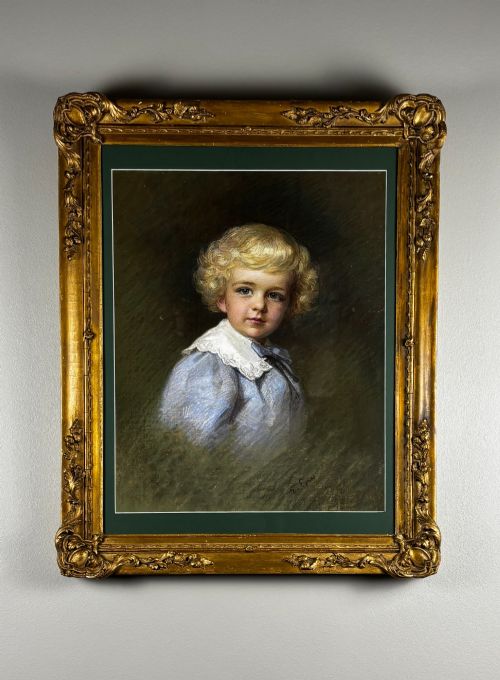
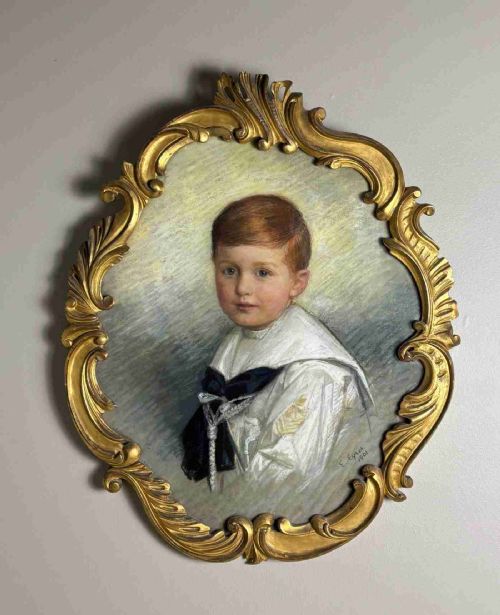
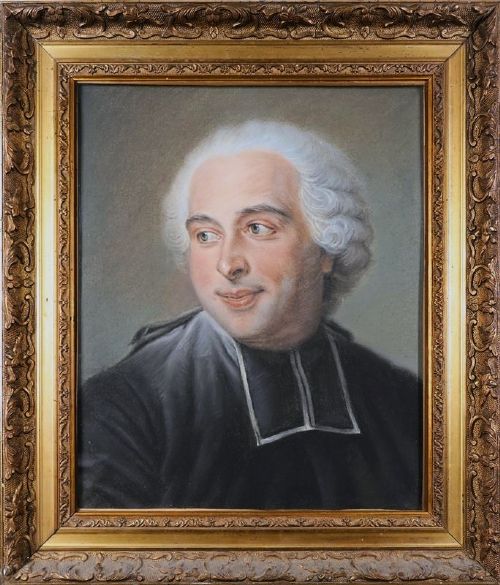
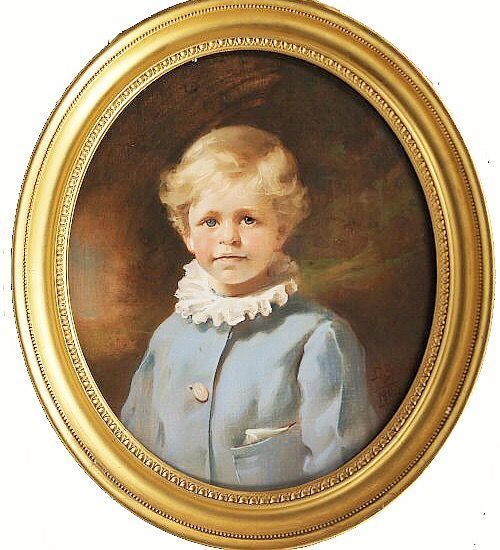
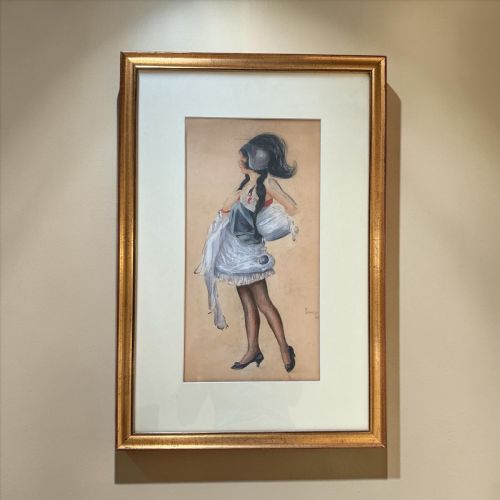
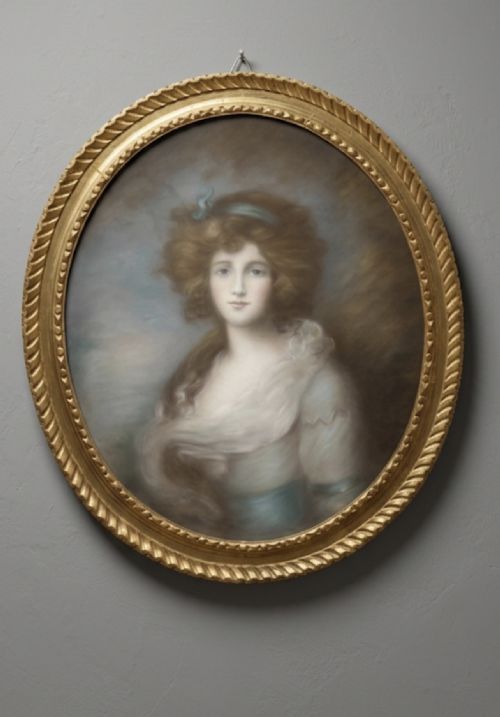


Gold Framed Pastel Picture
A gold framed pastel picture brings soft pigment and period light to a wall, combining delicate draughtsmanship with rich wooden moulding.
Gold Framed Pastel Picture
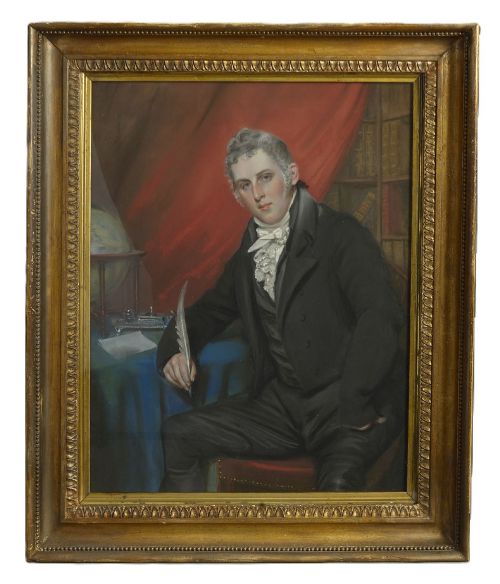
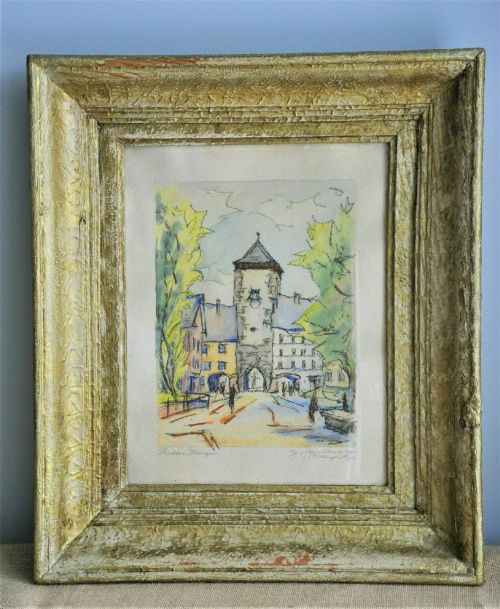
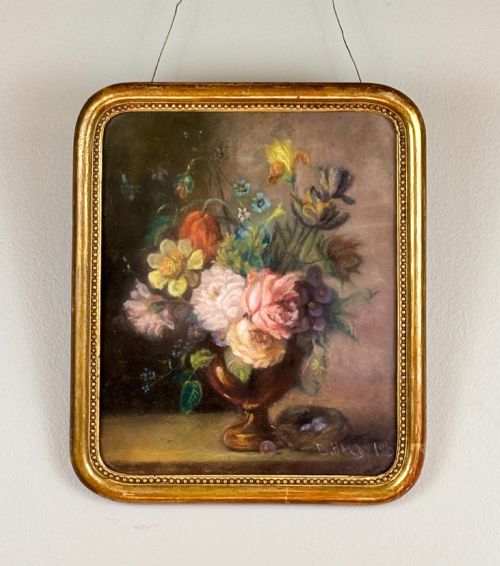
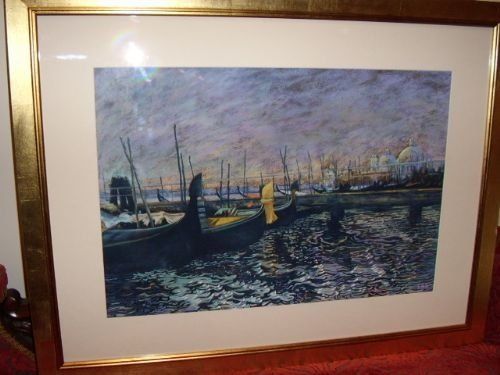
A gold framed pastel picture comprises works executed in soft dry pigment, crayon or oil pastel on paper, board or canvas, secured beneath protective glass within gilded wooden surrounds. These works span domestic portraits, landscape views, animal studies and still life arrangements.
The most frequent examples encountered on this page belong to the nineteenth century, ranging from Georgian likenesses and Victorian character studies to Edwardian landscapes and early twentieth century French ballerina compositions. Portraits dominate the selection, often capturing sitters with notable immediacy.
Mouldings vary from deep nineteenth century giltwood frames to lighter Victorian and Edwardian gilded wood profiles. The union of chalky pigment and burnished gold creates a distinct balance of matte texture and reflective border.
How they were made
Artists apply pastel chalks, crayons or gouache directly onto prepared paper, canvas or board surfaces, building up tone and colour through layered strokes rather than liquid washes. Because pastel sits loosely on the support without a binder, the finished composition relies entirely on glass to prevent smudging.
Makers construct the surrounding frames from timber, shaping wood profiles before applying layers of gesso, bole and leaf metal or gold leaf to achieve the characteristic gilt surface. Glazing is then fitted directly over the pastel work to seal the fragile medium from atmospheric moisture.
Gold Framed Pastel Picture Retail Price Guide 2026
Typical asking prices for gold framed pastel picture among the pieces listed under this phrase on Sellingantiques today, from the lower quarter to the upper quarter. They describe what is for sale here now, not the wider market.
Listings feature works executed on paper, canvas and board, framed in giltwood, wood and gilded wood.
What varies in quality
The degree of draughtsmanship and control over the powdery medium determines the artistic merit of each piece, distinguishing hurried sketches from finished portraits with nuanced facial modelling and textile rendering. Works displaying confident handling of light across fabric and skin sit at the higher end.
Frame construction and gilding technique also dictate overall quality, where hand-carved wooden mouldings and original gilding hold greater distinction than later replacements. The preservation of the pastel surface beneath clean glass, free from heavy pigment loss or staining, preserves the visual impact.
Maurice Quentin de la Tour·Leon Sprinck·Emily Eyres·Joseph Knight·John Hobson Nicholson·John Raphael Smith·Willem E Roelofs jr·Bertouch·Josiah Gilbert·John Parry·Henry Bright·Gerrit Schipper
The Gold Framed Pastel Picture Glossary
- Pastel
- A dry painting medium composed of powdered pigment and a binder rolled into sticks. It produces velvety, matte surfaces with high colour purity.
- Giltwood
- Timber that has been coated with gold leaf or gold paint, frequently used for ornate nineteenth century picture frames.
- Gouache
- An opaque water-based paint often used alongside pastels to add highlights and sharp linear definition to a composition.
- Gesso
- A plaster mixture applied to wooden frames as a smooth base before the application of gilding.
- Board
- A rigid flat panel used as a support for drawing or painting, common in twentieth century works.
Gold Framed Pastel Picture: Frequently Asked Questions
Can I hang a pastel picture in direct sunlight?
Direct sunlight causes pigments in pastel works to fade over time, particularly organic colours and delicate flesh tones. Position these pieces away from south-facing windows or harsh radiant heat sources.
Using museum-grade UV-filtering glass provides an extra layer of protection if the room receives natural daylight throughout the day.
How do I date a nineteenth century gold frame?
Examine the timber construction at the reverse, the corner joints, and the composition of the gesso beneath the gold leaf. Earlier frames often feature hand-carved wooden ornament and layered red bole beneath worn gilt.
Later Victorian and Edwardian examples frequently utilise moulded composition ornamentation applied to simpler timber substrates.
Why are pastels displayed under glass?
Pastel pigment consists of dry chalk and colorant particles resting loosely on paper or canvas without a liquid binder. Without glass, any physical contact or air movement causes the pigment to smear and detach from the support.
Glazing also protects the delicate paper substrate from airborne dust, grease and environmental moisture.