
Gold Framed Equestrian Artwork
Gold framed equestrian artwork captures centuries of sporting history through oil on canvas and detailed portraiture.
Gold Framed Equestrian Artwork
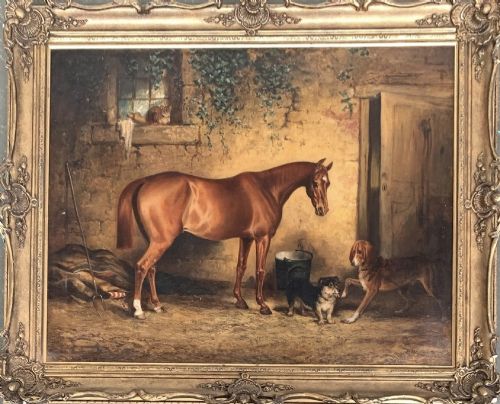
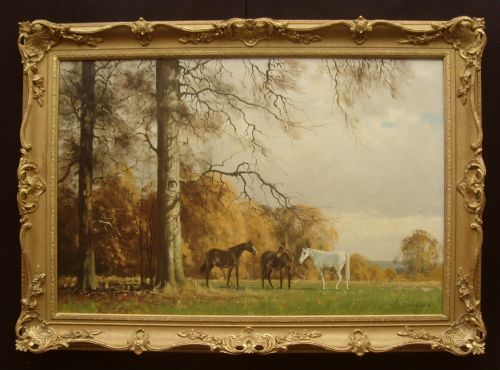
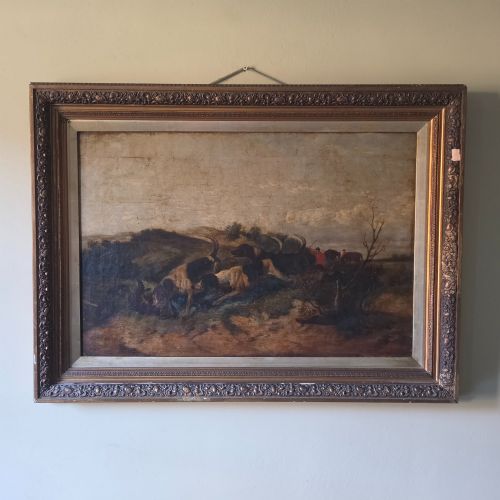
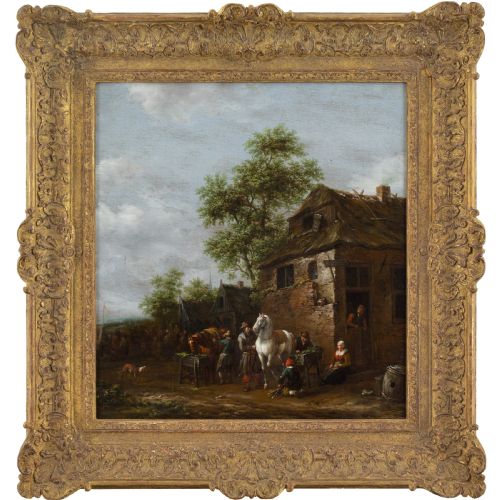
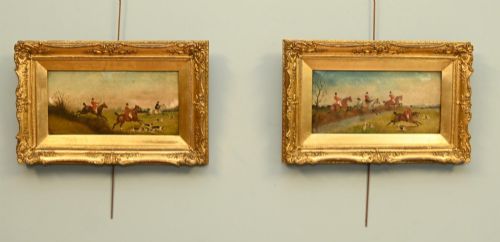
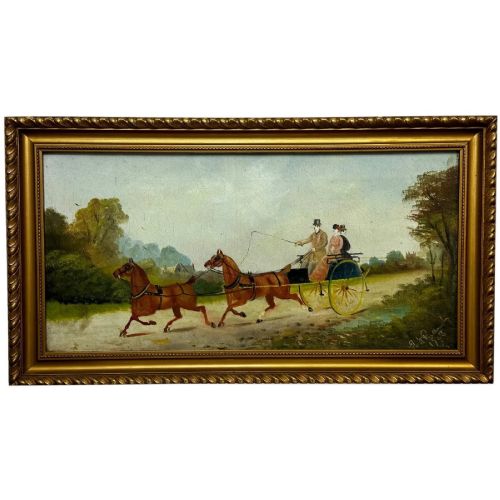
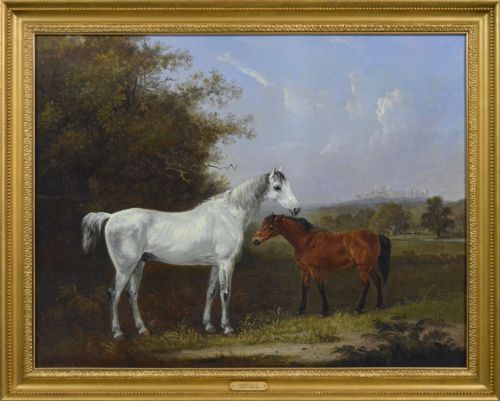
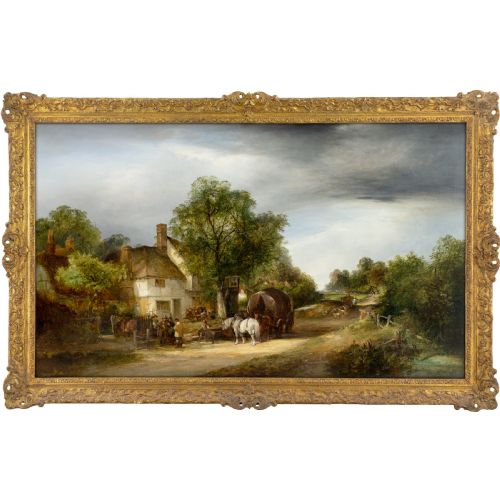
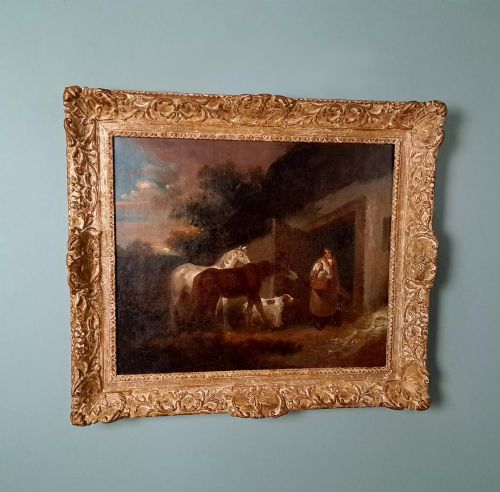
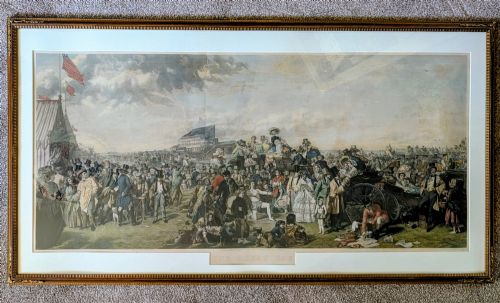
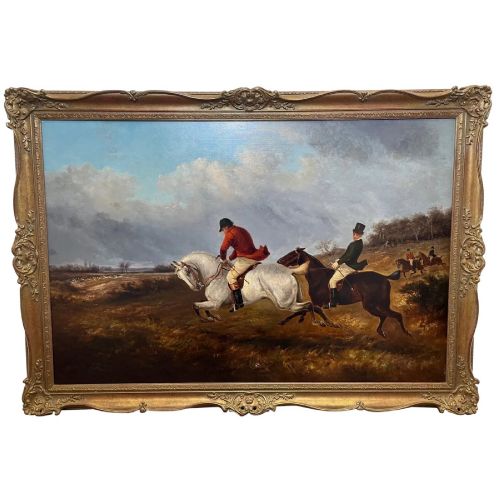
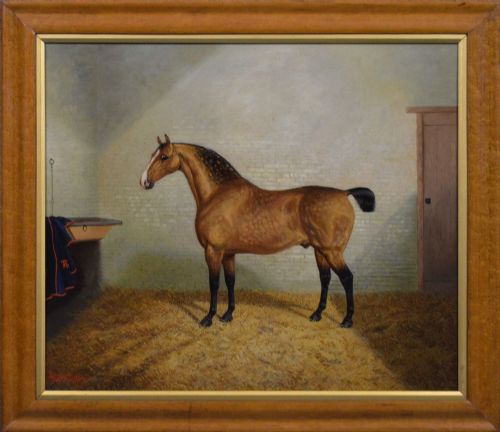
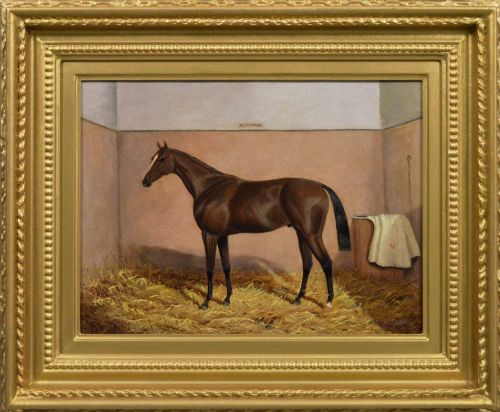
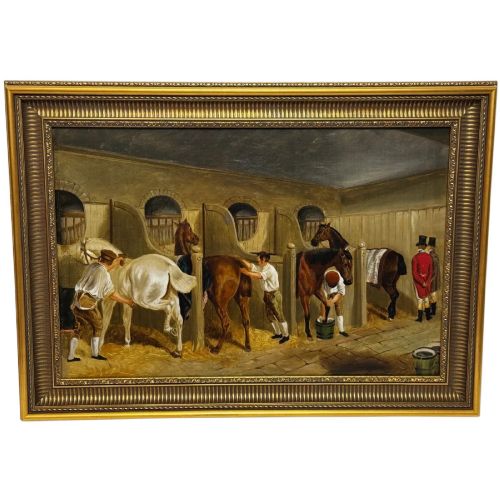
Gold framed equestrian artwork brings together centuries of sporting tradition, horse portraits, and historical hunting scenes. These pieces capture horses, riders, and carriages across varied landscapes and stables, reflecting the deep British affinity for equine subjects. Buyers searching for gold framed equestrian artwork encounter traditional oil paintings and prints housed in ornate wooden frames.
The selections span multiple eras, with the nineteenth century and Victorian periods strongly represented. Alongside formal portraits of racehorses and mares with foals, the subjects include coaching scenes, hunts, and countryside travels. Works range from intimate studies to large canvases depicting historic estates and rural tracks.
Materials and Techniques
Artists created these works primarily using oil paint on canvas or wooden panels, applying layers of pigment to capture the musculature of horses and the textures of coats and landscapes. Some examples utilise watercolour or silk needlework, showing diverse interpretations of sporting subjects. These mediums allowed painters to achieve rich tones and atmospheric lighting in rural settings.
The accompanying frames are constructed from wood, embellished with gesso and gilt finishes. Artisans moulded and carved the giltwood to create ornamental borders that complemented the paintings within. This combination of oil paint, canvas, and gilt framing defines the physical character of the pieces.
Several canvases capture horses sharing the landscape with early steam locomotives and bustling coaching inns.
Determinants of Quality
Quality rests on the fidelity of the horse's anatomy, the dexterity of the brushwork, and the handling of light within the landscape. Master painters captured movement and character with precision, distinguishing accomplished equine portraits from standard commercial output. The depth of the composition and the articulation of the background scenery separate superior examples.
The preservation of both the artwork and the giltwood frame influences the standing of a piece. Original gilding that retains its texture without excessive restoration adds integrity to the object. The harmonious relationship between the canvas and its housing determines the overall presence of the work.
Henry Barraud·Walter Robin Jennings·Edmund Bristow·Robert Alexander Hillingford·William Powell Frith·Thomas Smythe·Albert Clark·Sir Edwin Henry Landseer·George Wright·Abraham Cooper·Fred Fitzpatrick·C. H. Weigall·John Alfred Wheeler·Philip Rideout·Herman S Melville·John Ferneley Senior·Alfred Munnings·John Arthur Lomax
The Gold Framed Equestrian Artwork Glossary
- Giltwood
- Wood that has been coated with gold leaf or a gold-coloured metallic finish. This material forms the ornate surrounds typical of traditional art framing.
- Gesso
- A plaster-like mixture applied to wooden frame bases to create a smooth surface for gilding. Artisans carved intricate decorative motifs into this layer.
- Equine Portrait
- A painting dedicated to depicting a specific horse, often a notable racehunter or prized stallion. These works focus on the accurate conformation and physical traits of the animal.
- Sporting Art
- A genre of visual art depicting bloodsports, hunting, horse racing, and rural pastimes. It holds a prominent place in British artistic heritage from the eighteenth century onward.
- Oil on Canvas
- A traditional painting medium consisting of pigments suspended in drying oils applied to stretched fabric. It allows for rich blending and longevity.
Gold Framed Equestrian Artwork: Frequently Asked Questions
What periods do these pieces come from?
The works originate from multiple centuries, with a strong concentration in the nineteenth century and the Victorian era. Earlier examples date to the seventeenth century, while others extend into the Edwardian period and the mid-twentieth century.
Different eras brought distinct stylistic approaches to horse painting, ranging from Dutch Golden Age influences to detailed British sporting art traditions.
How should I hang these framed works?
These pieces require sturdy wall anchors due to the substantial weight of wood and gilt frames. Positioning them away from direct sunlight protects the oil pigments and the integrity of the gilt finish.
Providing adequate wall space allows the ornate frames to complement the room without crowding other artworks.
What subjects are depicted besides horses?
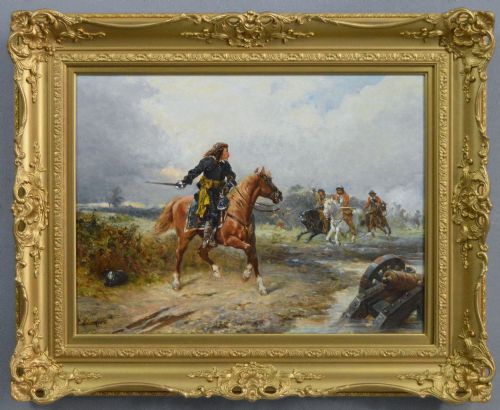
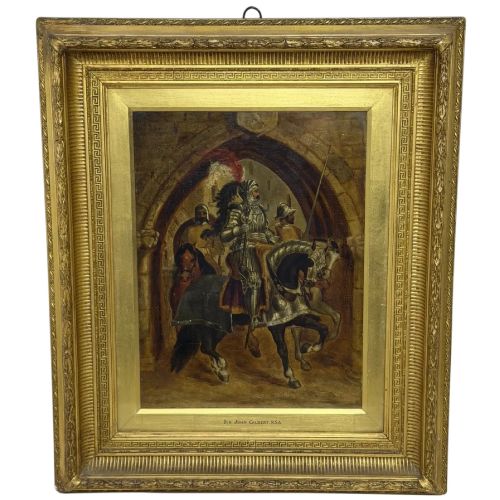
Alongside individual horse portraits, the artworks often feature hunting parties, coaching scenes, and military subjects involving cavalry soldiers. Landscapes, rural inns, and estate grounds frequently form the backdrop for the equine subjects.
Some pieces record specific historical events, royal processions, or famous racecourses like Epsom Park.
How do I identify a Victorian piece?
Victorian works often display specific stylistic traits associated with the period's sporting art, focusing on dramatic hunt scenes or polished portraits of prize animals. The construction of the giltwood frame and the materials used in the canvas stretcher can also offer clues to the date.
Signatures, artist records, and historical provenance notes further assist in confirming the period of creation.