





Gold Frame Portrait Art
Gold frame portrait art brings together historic likenesses and ornate gilded surrounds, offering collectors a direct link to past centuries.
Gold Frame Portrait Art
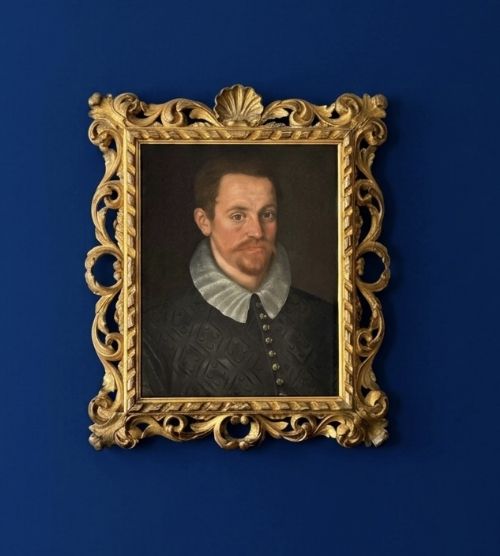
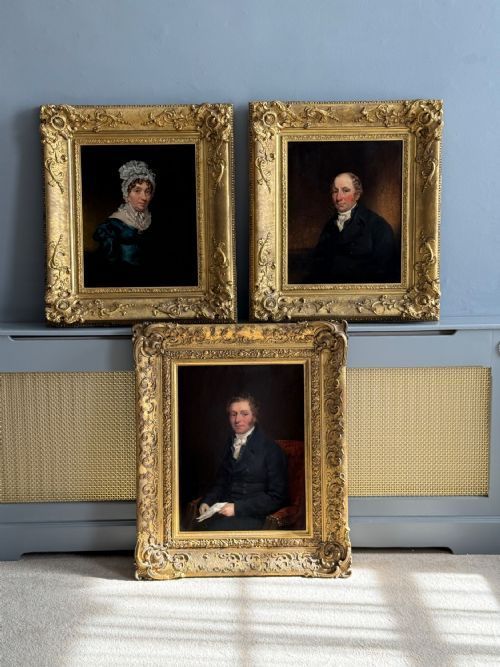
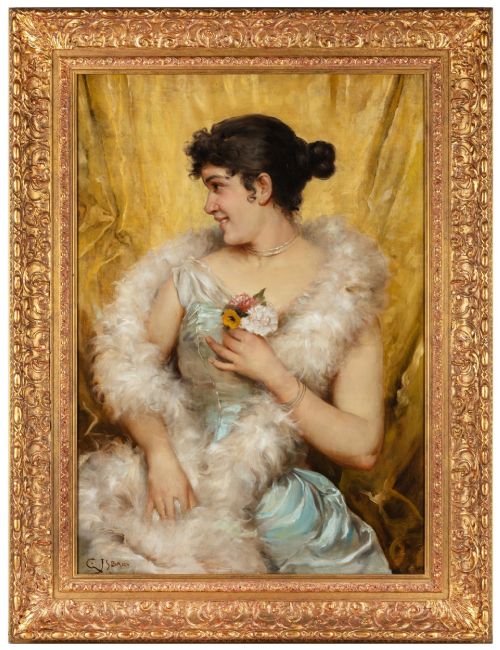
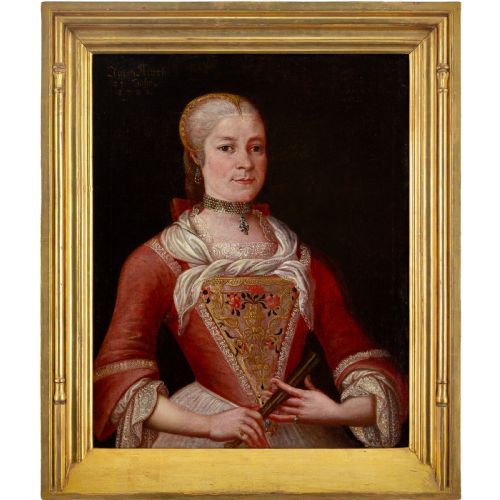
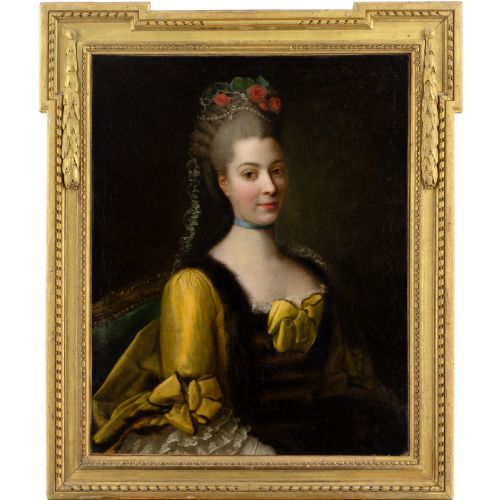
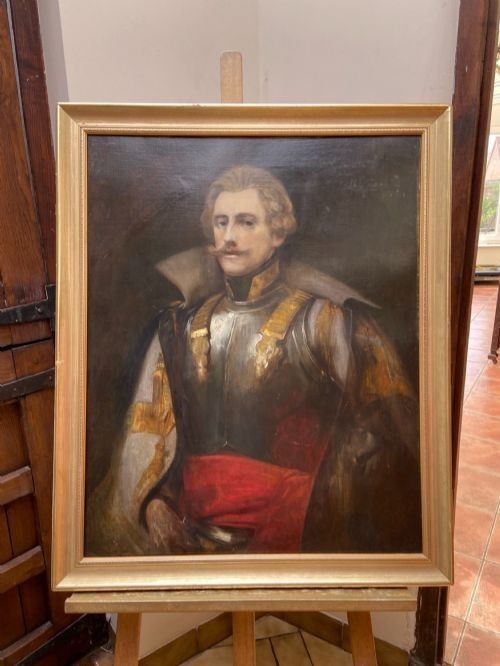
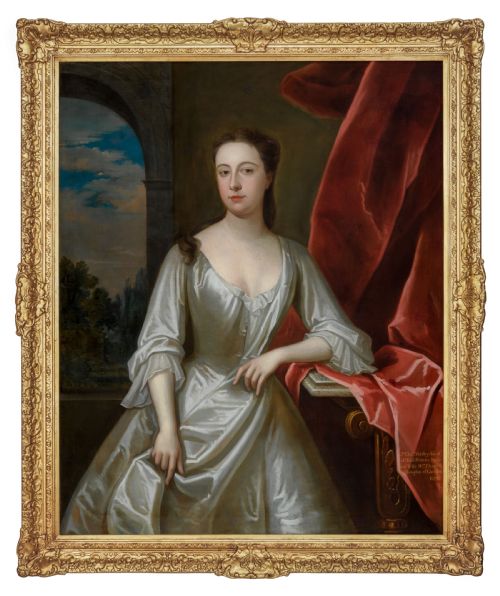
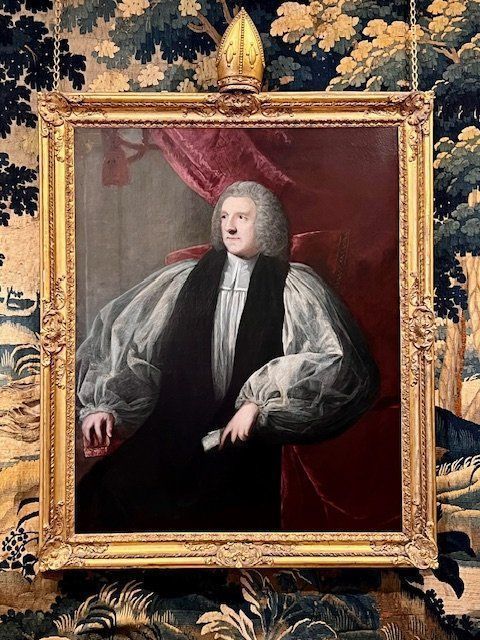
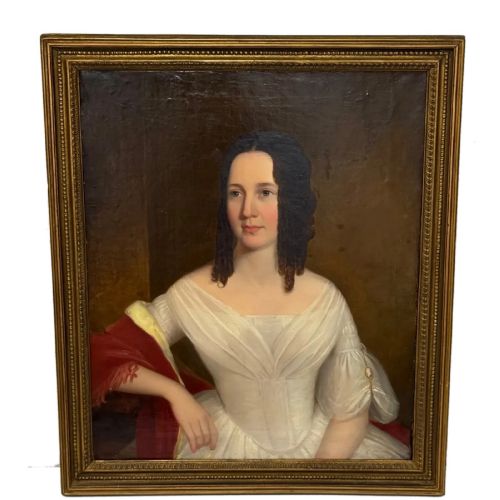
Gold frame portrait art encompasses historic likenesses of noblewomen, gentlemen, and artists, captured across the seventeenth, eighteenth, and nineteenth centuries. These works range from grand oil paintings on canvas to intimate portrait miniatures and delicate pastels under glass.
Buyers searching for gold frame portrait art encounter subjects depicted in elaborate attire, often framed in period wood and gilded surrounds that enhance the visual weight of the canvas. The selection includes works from British, French, and Anglo-Flemish schools, showing sitters from nobility to architects and merchants.
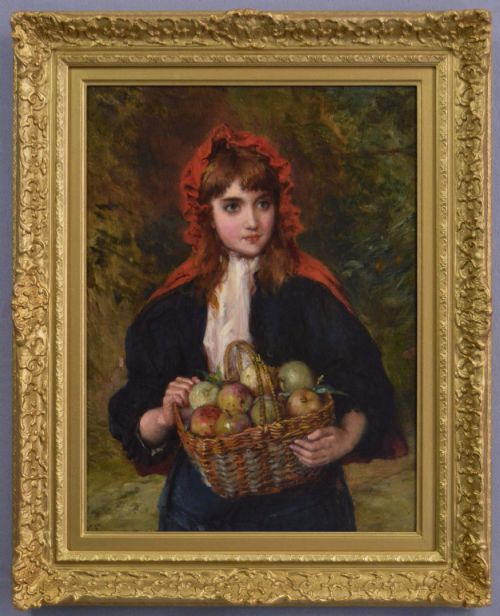
The most frequent items meeting this description are oil paintings on canvas or panel, housed within eighteenth and nineteenth century giltwood or gilded wood frames. These pieces bridge fine art portraiture with decorative woodwork, functioning as both historical documents and striking wall centerpieces.
Materials and construction methods
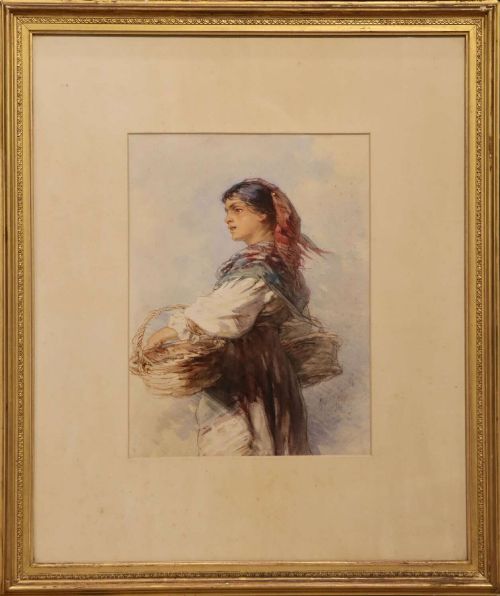
The foundational supports of these works consist principally of canvas, wood panels, and heavy paper, upon which artists applied oil paints, pastels, or watercolours. Oil on canvas dominates the selection, frequently paired with thick wood stretchers that support the tension of the painted fabric over centuries.
Surrounding these artworks are frames fashioned from wood, specifically executed in giltwood and gilded wood to create a reflective, luminous boundary around the sitter. Artisans applied thin sheets of gold leaf over preparation layers on carved timber mouldings, securing a durable and opulent finish that defines the category.
Several noble sitters share space on the wall with hardworking farm dogs and bowls of fruit.
Distinctions in craftsmanship and preservation
The standard of portraiture is distinguished by the anatomical precision of the hands and face, the handling of drapery in garments, and the psychological depth captured in the sitter's expression. Superior examples demonstrate a confident mastery of light and shadow by the painter, avoiding stiff or flat representations.
Frame quality depends on the depth and crispness of the hand-carved wooden mouldings and the integrity of the original gilding. Pieces retaining their primary gilded wood surfaces without extensive modern restoration command greater regard among discerning collectors.
Sir Godfrey Kneller·Sir Joshua Reynolds·William Oliver·Jean-Baptiste van Loo·Joseph Clover·Maurice Quentin de la Tour·Sir Martin Archer Shee·Henri Fradelle·Jean Mariette·Georges de La Tour·Sir Anthony van Dyck·John Hayls·James Sharples·Valentine T. Garland·Emily Eyres·John Maler Collier·Dumini Leopoldo·Henry Bone·Sir Peter Lely·Jeremiah Davison·Reginald Arthur Borstel·Pieter Borsseler·Lemuel Francis Abbott
The Gold Frame Portrait Art Glossary
- Giltwood
- Wood that has been coated with a thin layer of gold leaf or gold powder. This finish provides a bright, reflective boundary that complements the rich tones of oil paintings.
- Portrait Miniature
- A small, highly detailed painting designed for private viewing or personal wear. These works often feature meticulous stippling and fine brushwork on ivory, vellum, or paper.
- Oil on Canvas
- Pigments mixed with a drying oil, typically linseed, applied to a woven fabric stretched over a wooden frame. This medium allowed artists to build rich textures and subtle tonal gradations.
- Pastel
- A dry medium composed of powdered pigment and a binder, pressed into stick form. It produces velvety surfaces with soft colour transitions, requiring protection beneath glass.
Gold Frame Portrait Art: Frequently Asked Questions
What periods do these portraits represent?
The available artworks span several centuries, with a strong representation of seventeenth, eighteenth, and nineteenth-century pieces. You will also encounter Regency and Victorian examples alongside specific dates reaching into the early twentieth century.
These varied eras reflect changing tastes in portraiture, moving from formal seventeenth-century court depictions to more naturalistic nineteenth-century studies of individuals and animals.
How should I care for a giltwood frame?
Giltwood frames require gentle maintenance, avoiding liquid cleaners or harsh chemicals that can strip the delicate gold leaf. Dust them very softly with a dry, clean microfibre cloth or a feather duster.
Keep the artworks away from direct sunlight and areas of high humidity to protect both the wooden support and the gilded surface from cracking or warping.
Are these portraits original paintings or prints?
The majority of the collection consists of original hand-painted works, primarily executed in oil on canvas or panel, alongside period pastels and watercolour studies. You will find that artists painted these directly from life or as historical copies.
A small selection includes period engravings and graphic prints, which are clearly distinguished from unique painted canvases in their descriptions.
How can I identify the subject of a portrait?
Many portraits include contemporary inscriptions on the canvas, stretcher, or frame identifying the sitter, and occasionally the artist or the date. Documentation or family provenance often accompanies historical pieces.
When a sitter remains anonymous, clues are gathered from their clothing, hairstyle, heraldic symbols, and accessories, which point towards a specific social class and decade.