


Gold Frame Impressionist Art
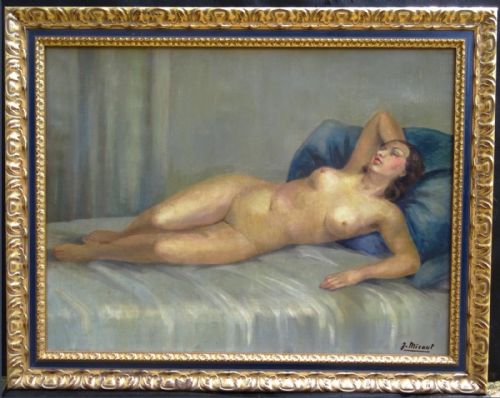
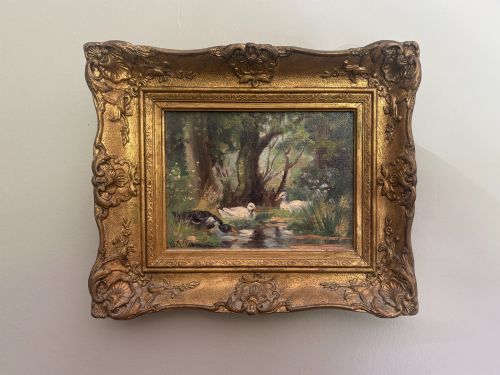
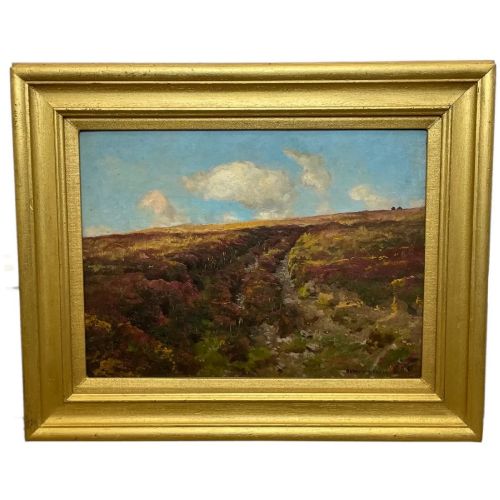
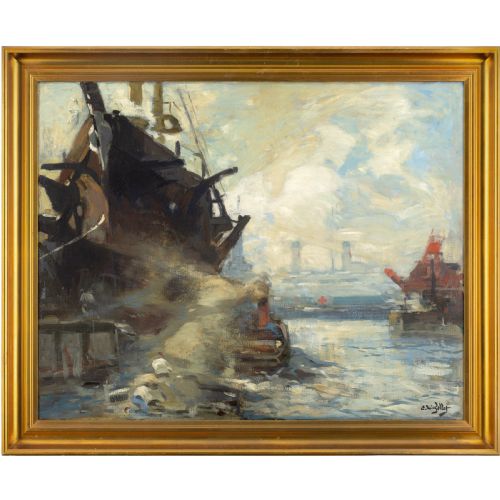
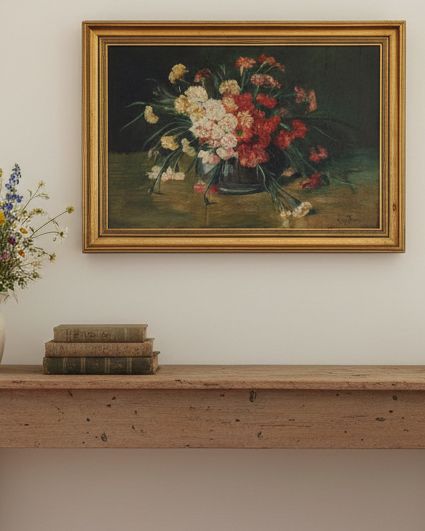
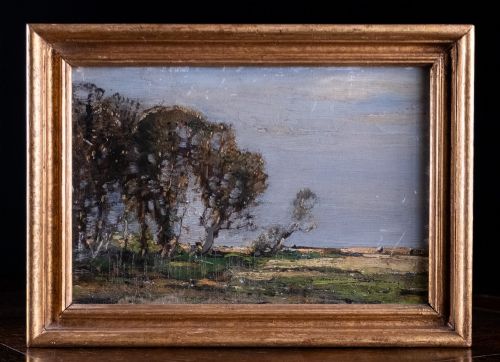
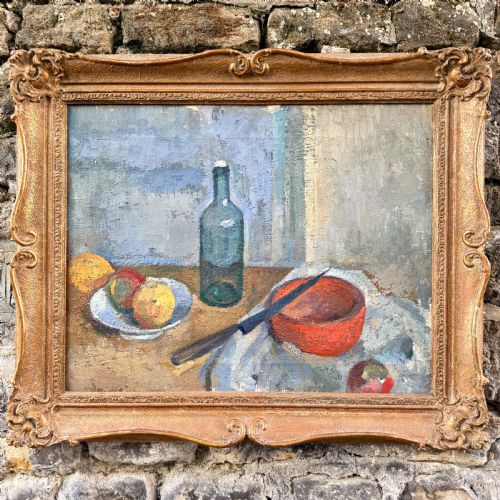
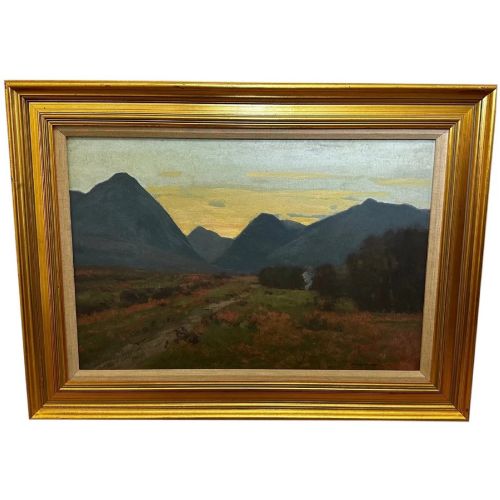
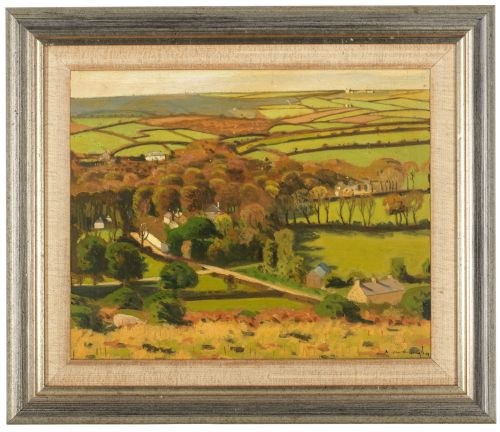
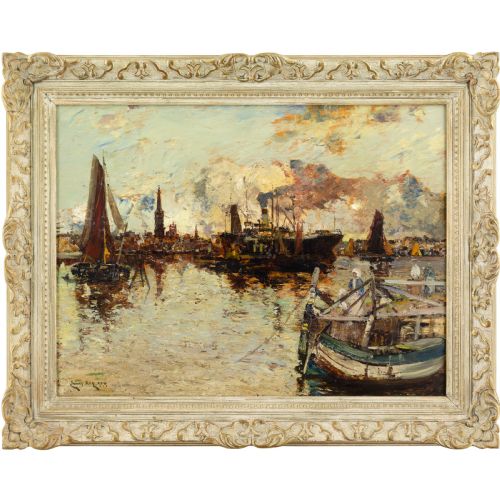
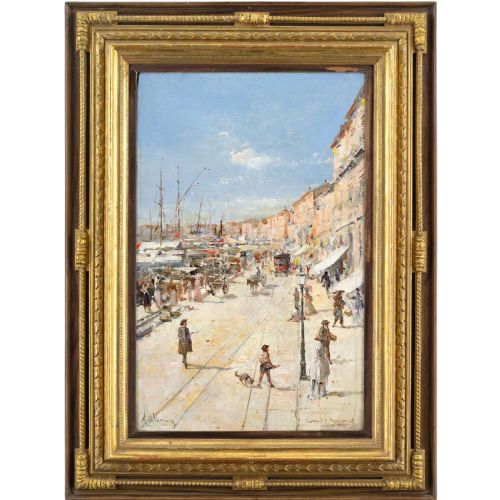
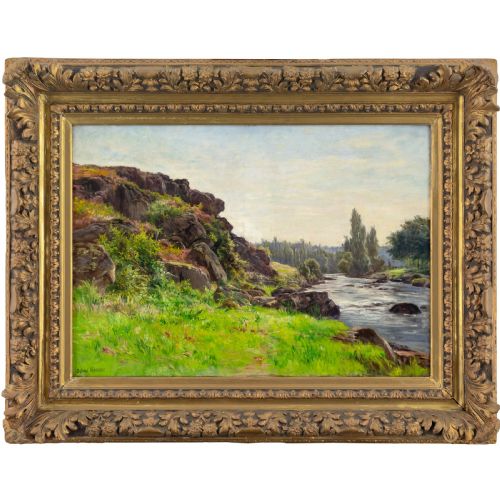
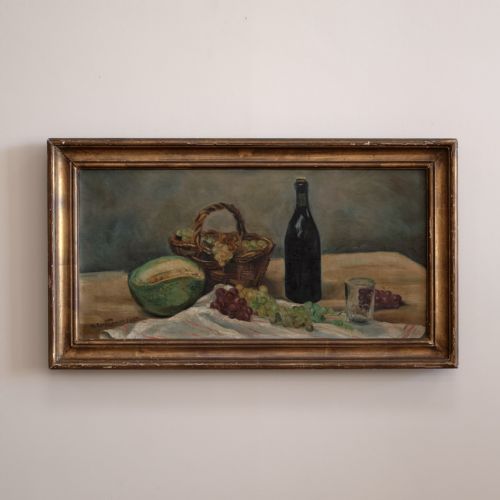
Gold frame impressionist art delivers luminous canvases held in gilt wood and gesso, bringing light and atmosphere into a room.
Gold Frame Impressionist Art
Gold frame impressionist art spans original oil paintings, watercolours, and wall art produced across the nineteenth and twentieth centuries. Buyers find works categorised under British Impressionism, French Impressionism, Post-Impressionism, and Mid-Century Impressionism.
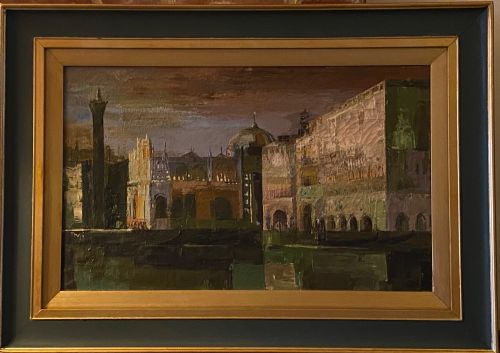
The selections on this page encompass varied subjects including landscapes, seascapes, cityscapes, floral still lifes, and portraits. Works originate from British, French, Italian, Dutch, and Scandinavian hands, capturing natural light and domestic interiors.
How they were made
Makers applied oil paint or watercolour to canvas, wood panels, or board, building texture with brushwork or palette knives to capture shifting light. Canvases are stretched over wooden frames and secured within decorative surrounds.
Frames themselves utilise wood construction finished with layers of gesso, gold leaf, and gilt to achieve reflective metallic surfaces. Ornate mouldings often incorporate cast ornamentation that frames the composition.
Canvases capture everything from quiet domestic interiors and white roses to bustling wartime hospital ships and Venetian lagoons.
What varies in quality
The skill of the brushwork and the confidence of the composition distinguish finer canvases from simpler decorative examples. Superior works demonstrate a sophisticated handling of tone, colour harmony, and atmospheric depth.
The integrity and originality of the surrounding gilt frame significantly influence character and visual presence. Frames retaining their original gilding and gesso detail hold greater visual harmony with the canvas than later replacements.
Arthur Wardle·Eugène-Louis Gillot·Kershaw Schofield·George Houston·William Banks Fortescue·Robert Morson Hughes·James Kay·Augusto Alberici·Gabriel Mathieu·G. J. S. Bary·John Lübschitz·Antonio DeVity·Ethel Sands·Emma Fordyce MacRae·Willem Bos·John Hodgson Lobley·Harry Kluge·Sir Alfred East·Cecil Allan Mould·Manuela Bonati·Maud Raphael Jones·Erich Mercker·Bernard De Hoog·Paul Désiré Trouillebert·Pablo Picasso
The Gold Frame Impressionist Art Glossary
- Gesso
- A plaster-like mixture applied to wooden frame mouldings as a smooth base before gilding. It provides the foundation for intricate moulded details.
- Gilt Wood
- Timber coated with gold leaf or metallic paint to create a lustrous golden finish. This material defines the traditional frames housing these paintings.
- Post-Impressionism
- An artistic movement following Impressionism where painters explored emotional depth and structural form rather than pure optical realism. Artists pushed colour and brushwork beyond traditional constraints.
- Oil on Canvas
- Pigment mixed with drying oil applied to a stretched woven fabric support. This technique allows for rich texture and luminous blending of tones.
Gold Frame Impressionist Art: Frequently Asked Questions
Are these paintings original works?
The selection includes original oil paintings, panels, and watercolours created by named artists rather than modern reproductions. Each piece records individual brushwork and application of pigment directly from the period.
Listings also specify medium details such as oil on canvas or oil on board to confirm the nature of the work.
How do I date an impressionist painting?
Dating relies on recorded artist active dates, stylistic movements like Post-Impressionism or Mid-Century Impressionism, and construction methods of the canvas and frame. Victorian, Edwardian, and mid-century indicators appear throughout the documentation.
Framing materials such as gesso and gilt wood also correspond to the prevailing decorative tastes of each decade.
What subjects are most common?
Landscapes, seascapes, and floral still lifes appear frequently alongside urban cityscapes and interior scenes. Artists recorded rural views in Britain and continental Europe as well as bustling waterways in Venice and Amsterdam.
Portraiture and figurative garden scenes also feature across the Victorian and twentieth-century selections.
How should I hang a gilt framed painting?
Gilt framed works require secure wall fixings suited to the combined weight of the heavy wooden frame and canvas. Hanging them away from direct sunlight preserves the stability of the oil paint and the underlying gesso.
Placement in rooms with stable humidity protects both the canvas support and the metallic leaf of the frame.