





Gold Filigree Necklace
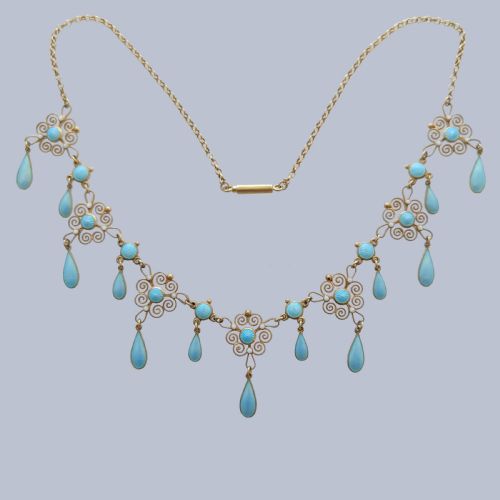
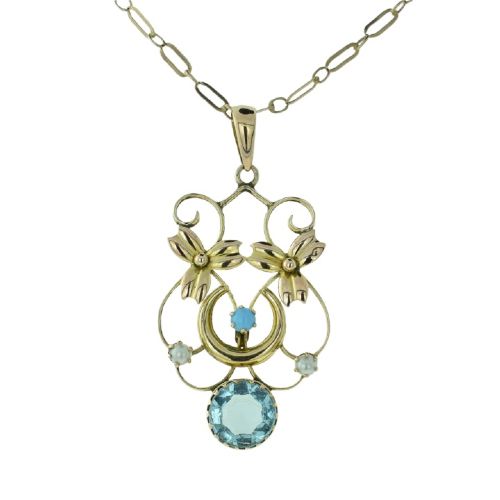
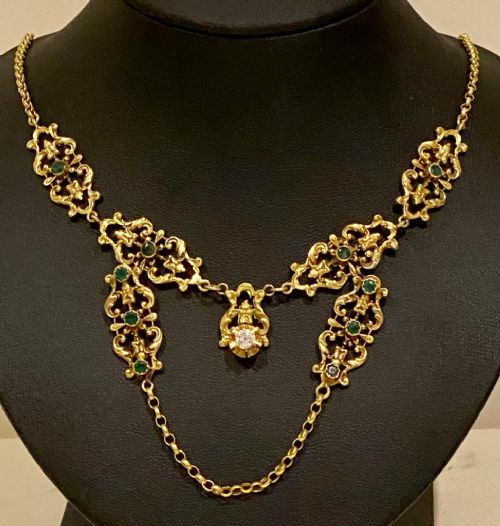
A gold filigree necklace brings delicate wirework and precious stones together, offering wearable history from the Victorian era through the mid-twentieth century.
Gold Filigree Necklace
The selections span distinct periods including Victorian, Edwardian, Art Nouveau, Art Deco, and Mid-Century styles. These pieces frequently incorporate pendants and chains fashioned in various gold purities alongside precious and semi-precious stones.
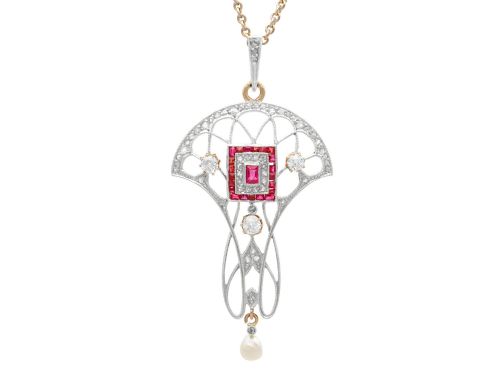
Victorian and Edwardian versions often display romantic motifs and seed pearls, while Art Nouveau and Art Deco pieces introduce flowing natural lines or geometric symmetry. Mid-century examples bring heavier chains and distinct solitaire settings into the range of available forms.
How they were made
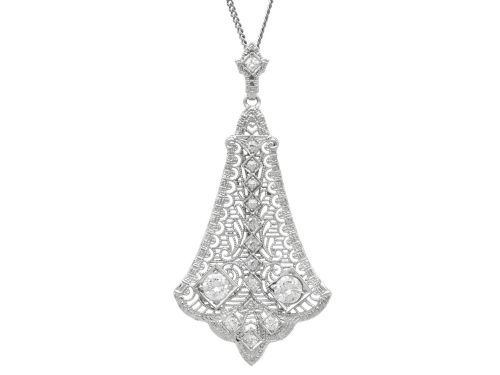
Craftsmen shaped gold into gossamer threads through drawing plates before bending and soldering the wire into elaborate openwork motifs. This meticulous wirework formed the lightweight yet robust foundation for pendants and decorative necklace links.
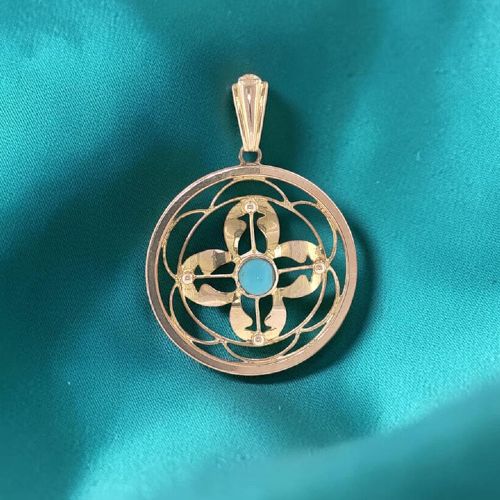
Goldsmiths integrated gemstones such as amethyst, turquoise, diamond, seed pearl, topaz, and tourmaline directly into the wire settings. Jewelers utilised different gold standards including nine-carat, fourteen-carat, and eighteen-carat yellow, rose, and white gold to complement the chosen stones.
Gold Filigree Necklace Retail Price Guide 2026
Typical asking prices for gold filigree necklace among the pieces listed under this phrase on Sellingantiques today, from the lower quarter to the upper quarter. They describe what is for sale here now, not the wider market.
Listings feature pieces spanning from the early nineteenth century through the 1960s, showcasing gold purities from nine-carat to eighteen-carat.
What varies in quality
The fineness of the wire manipulation distinguishes standard production from exceptional artistry, as tighter and more complex soldering requires advanced skill. Solder joints should remain clean and secure beneath magnification, preserving the visual lightness of the openwork.
Gemstone selection and secure setting techniques further define the tier of a piece, with matched natural stones and intricate bezel or prong work marking finer examples. The weight and purity of the gold, alongside the integrity of the original chain, contribute significantly to the overall execution.
Carl Bucherer
The Gold Filigree Necklace Glossary
- Filigree
- Ornamental work consisting of fine wire, usually gold or silver, soldered into intricate openwork patterns. This technique creates delicate, lace-like structures without heavy solid metal.
- Lavalier
- A pendant necklace featuring a central gemstone or drop suspended from a finer chain. This style gained immense popularity during the Edwardian and Art Nouveau periods.
- Seed Pearl
- A very small natural or cultured pearl, often drilled and used in clusters or borders. They are frequently found accentuating Victorian and Edwardian gold filigree work.
- Solitaire
- A piece of jewellery featuring a single set gemstone, such as a diamond or opal. In these necklaces, the single stone serves as the distinct focal point of the filigree mounting.
- Openwork
- Metal design featuring pierced or cut-out spaces that allow light to pass through. Filigree inherently relies on openwork to achieve its characteristic airy aesthetic.
Gold Filigree Necklace: Frequently Asked Questions
How do I date a gold filigree necklace?
Dating relies on stylistic clues, such as flowing natural lines for Art Nouveau or geometric rigidity for Art Deco, combined with material choices and hallmark evidence.
Construction techniques also reveal age, as hand-soldered nineteenth-century wirework differs visibly from mid-century manufacturing methods and chain styles.
Are these necklaces fragile to wear?
While the fine wirework appears delicate, well-constructed filigree is surprisingly resilient for regular wear when handled with reasonable care. Storing the necklace flat and avoiding harsh impacts will protect the soldered wire connections.
Delicate seed pearls and softer stones set within the filigree require particular attention to prevent moisture damage or abrasion against other items.
What gold purity should I expect?
Pieces span a range of gold standards, including nine-carat, fourteen-carat, and eighteen-carat gold, reflecting the period and country of origin. Yellow and rose gold dominate the earlier Victorian and Edwardian periods, while white gold emerges strongly in Art Deco designs.
Each alloy offers a distinct hue that influences the overall visual contrast between the metalwork and the mounted gemstones.
Can I replace a missing gemstone?
Sourcing replacement stones like period-cut diamonds, amethysts, or turquoise requires matching the exact dimensions and cut of the original period materials. A skilled jeweller can reset stones into existing filigree bezels without compromising the surrounding delicate wire structure.