


Gold Enamel Pin
These gold enamel pin examples span centuries of miniature goldsmithing and fired colour, offering a portable token of sentiment or heraldry.
Gold Enamel Pin
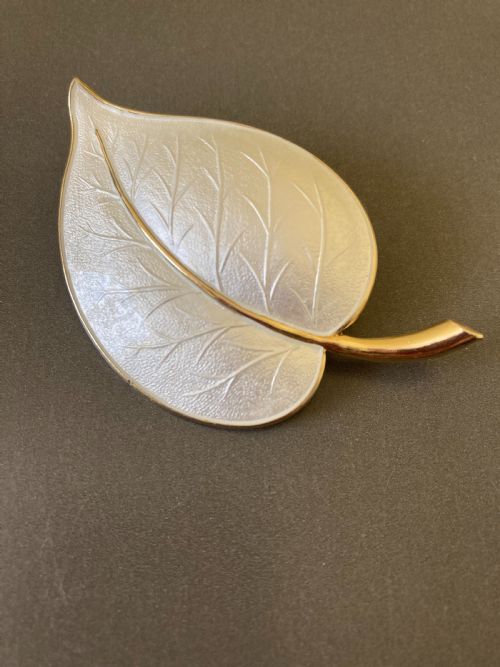
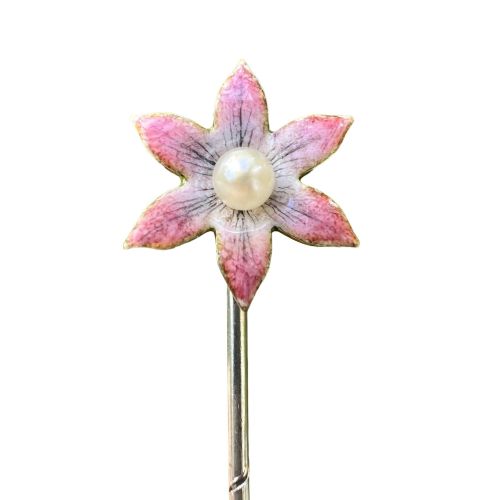
A gold enamel pin encompasses delicate stick pins, sweetheart badges, and convertible brooch pendants designed to fasten or adorn garments. When searching for a gold enamel pin, collectors encounter forms ranging from Georgian sentimental love tokens to mid-century Scandinavian silver gilt pieces.
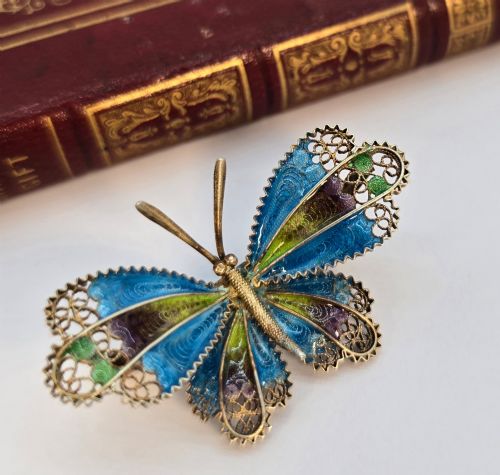
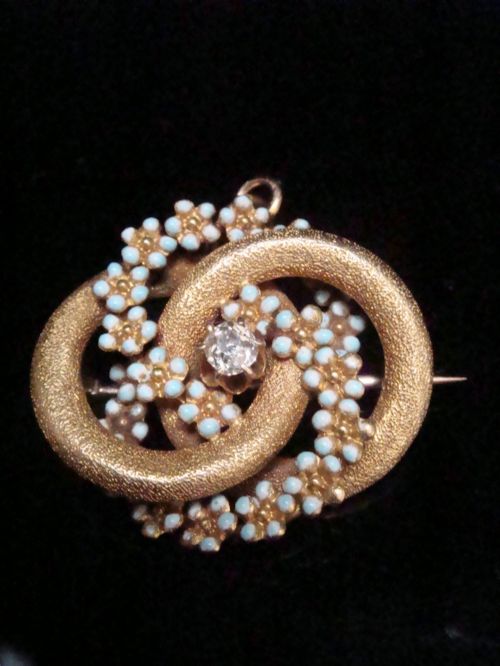
The selection frequently includes Victorian and Edwardian iterations featuring floral motifs, insects, and heraldic designs in yellow gold or silver gilt. Makers utilised blue, red, and white vitreous enamels alongside pearls and diamonds to create lasting miniature artworks.
Materials and construction methods
Craftsmen built these pieces using 9ct, 14ct, 15ct, and 18ct yellow gold, alongside silver gilt and platinum settings. Vitreous enamel was fused to metal bases through firing, often employing guilloché engine-turning or translucent plique-à-jour techniques to catch the light.
Gemstones including diamonds, pearls, garnets, rubies, and amethysts were integrated into the designs as accent stones. Stick pins and brooches relied on secure pin stems and C-clasps or safety catches suited to their respective periods.
Design eras represented stretch from Georgian neoclassical and Victorian mourning pieces to Art Nouveau, Art Deco, and mid-century Scandinavian work.
Distinctions in craftsmanship and design
Quality rests in the precision of the enamel work and the crispness of the gold casting or chasing. Superior examples display flawless vitreous surfaces without cracking, alongside well-matched natural pearls and neatly flush-set gemstones.
Artistic ambition also separates standard production items from masterworks, such as hand-painted animal portraits or complex multi-cartouche constructions. Pieces bearing documented maker marks or retaining their original fitted boxes command particular attention from serious collectors.
Aksel Holmsen·Murrle Bennet and Co·Gustav Gaudernack·John William Bailey
The Gold Enamel Pin Glossary
- Guilloche
- A decorative engine-turning technique engraved into metal beneath translucent enamel. This method creates repetitive geometric patterns that shimmer beneath the coloured glass surface.
- Plique a jour
- An enamelling technique resembling miniature stained glass without a backing. Light passes directly through the transparent or translucent enamel cells.
- Silver gilt
- Sterling silver or 925 silver coated with a thin layer of gold. This combination provided the rich appearance of solid gold while utilising a more accessible base metal.
- Stick pin
- A long pin with an ornamental head used to secure cravats, lapels, or ties. The pin shaft is typically supported by a small protective cap.
- Sweetheart brooch
- A military or organisational badge scaled down for civilians to wear during wartime. These pieces often incorporate enamel flags, crests, or regimental insignia.
Gold Enamel Pin: Frequently Asked Questions
How do I date a gold enamel pin?
Examine the construction of the pin stem, the clasp type, and the stylistic markers of the period. Georgian and Victorian examples often feature hand-cut stones and closed-back settings, while Edwardian and later pieces display lighter platinum or yellow gold frameworks.
Maker marks, hallmarks, and accompanying fitted boxes also provide reliable clues for establishing a precise decade of origin.
How should I care for antique enamel jewellery?
Store each piece individually in a soft pouch to prevent the enamel from scratching against other items. Avoid exposing these fragile glass-surfaced jewels to harsh ultrasonic cleaners, chemical dips, or prolonged moisture.
Clean them gently with a soft, dry cloth after wearing to remove natural skin oils.
Why are some pieces marked silver gilt?
Silver gilt, also known as vermeil when applied to sterling silver, offers the warm visual appeal of gold at a different cost point. Makers during the Victorian and Scandinavian modernist periods utilised this technique to achieve bright polychrome enamel contrasts.
The underlying silver provides structural integrity while the gold wash enriches the overall colour palette.