
Gold Diamond Target Ring
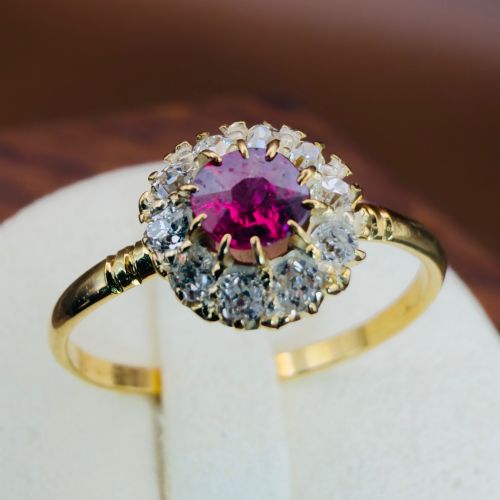
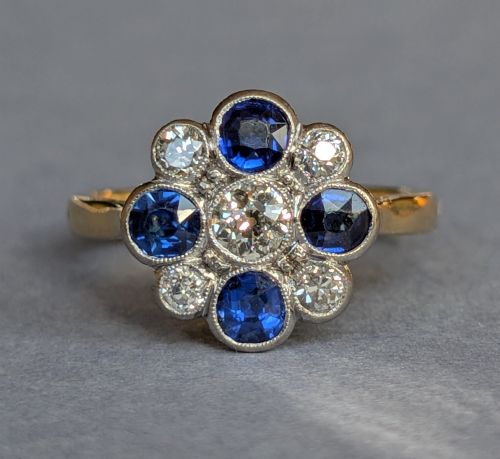
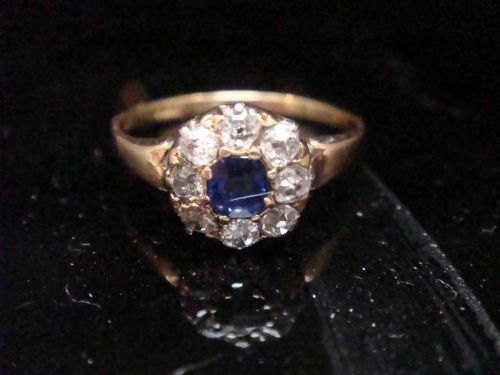
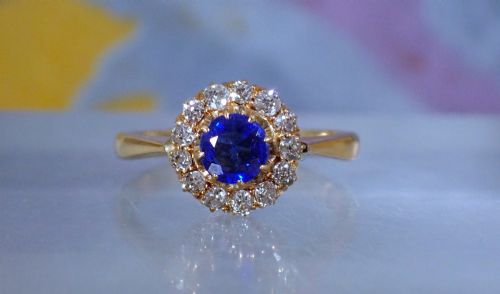
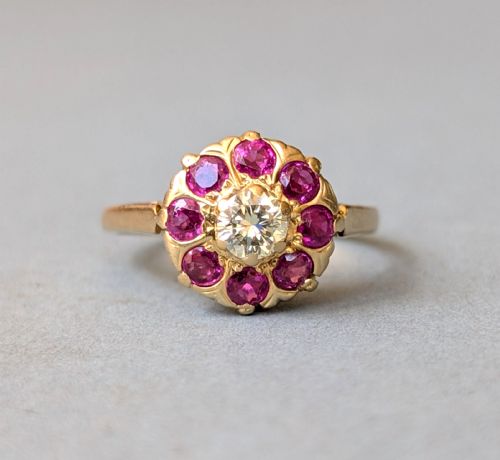
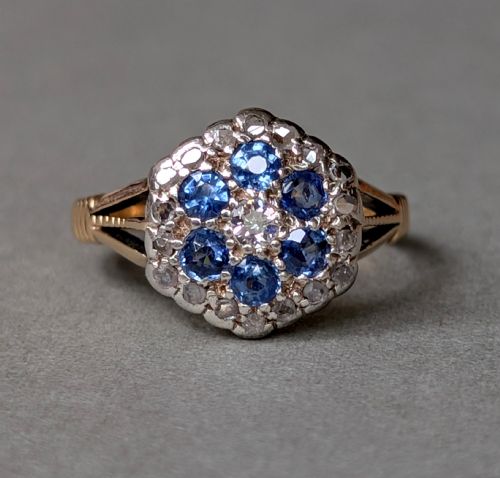
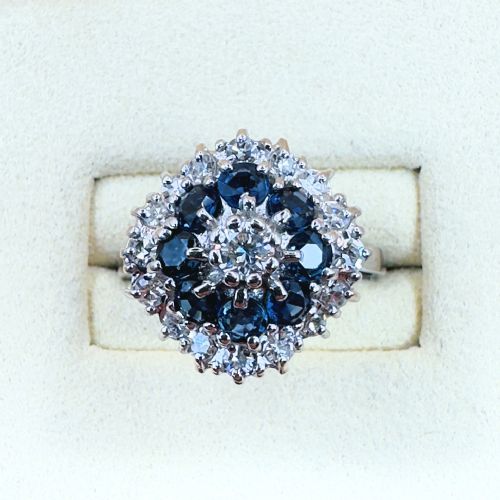
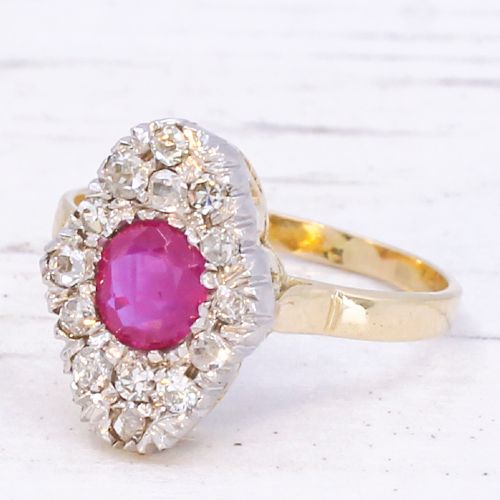
A gold diamond target ring draws the eye with its concentric circles of precious stones set in precious metal.
Gold Diamond Target Ring
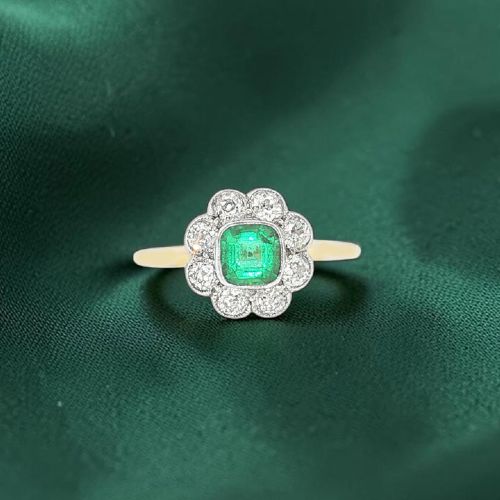
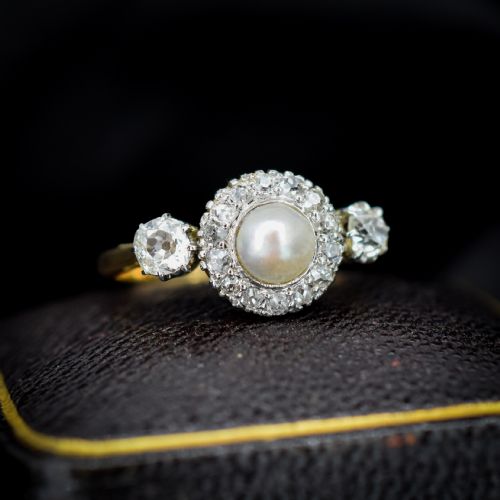
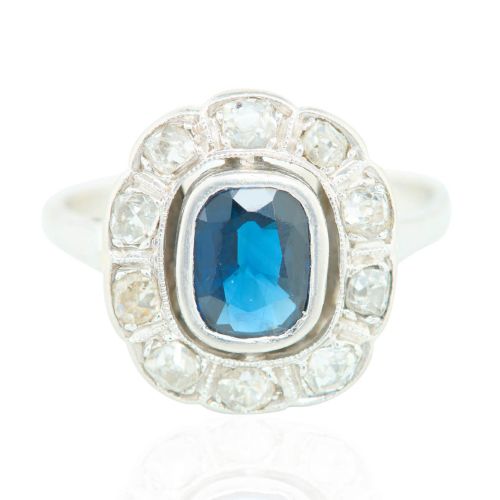
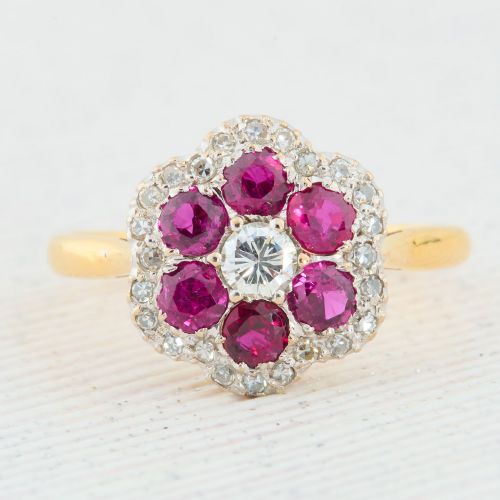
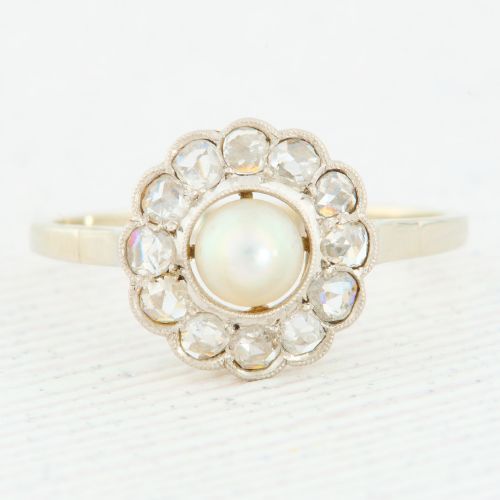
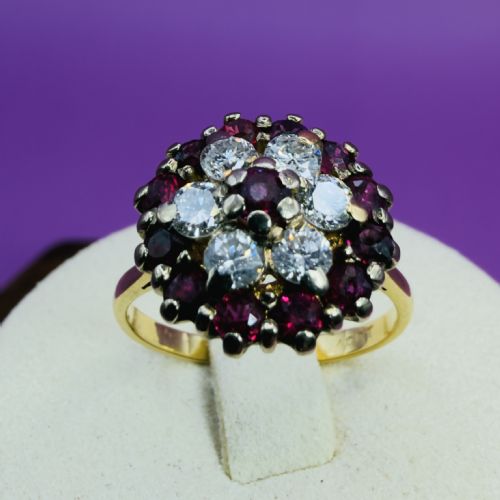
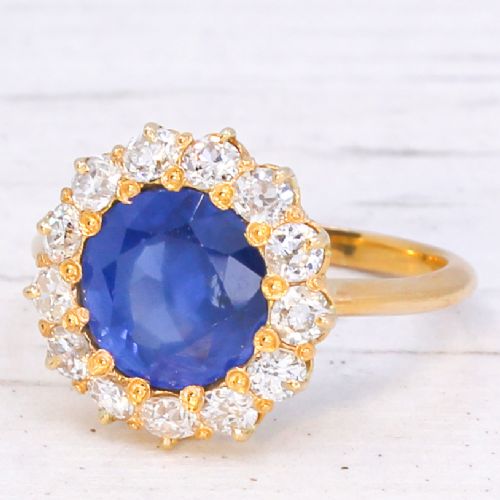
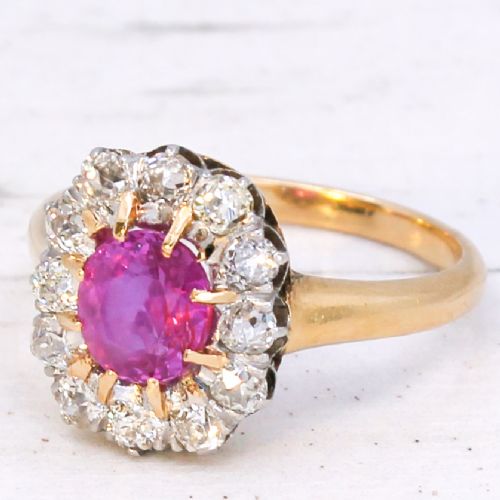
A gold diamond target ring presents a central gem surrounded by one or more distinct borders of contrasting stones, creating a concentric bullseye pattern. This geometric arrangement appears frequently in pieces from the Edwardian and Art Deco periods, alongside Victorian and mid-century examples.
The layout often pairs a central diamond with calibre cut sapphires or rubies, or surrounds a coloured stone with a halo of smaller diamonds. Variations on this concentric theme include floral daisy motifs and double halo configurations.
Most examples utilise 18ct yellow gold, 18ct white gold, or platinum settings to secure the stones. The silhouette sits flat or slightly raised upon the finger, designed to maximise light reflection across the concentric tiers.
How they were made
Goldsmiths constructed these rings using 18ct gold, often combining yellow gold shanks with platinum or white gold top settings to enhance the whiteness of the diamonds. Hand fabrication involved precise bezel, claw, or millegrain channels to secure each small stone tightly within its geometric tier.
Stones cut during the Edwardian and Art Deco eras, such as old cut diamonds and calibre cut sapphires or rubies, were shaped by hand to fit the strict concentric parameters of the target design. This required meticulous matching of stone dimensions to maintain the symmetry of the outer rings.
Some antique target rings pack three distinct gem varieties into a single geometric face no wider than a sixpence.
What varies in quality
The precision of the geometric layout dictates the visual harmony of the piece, where evenly spaced stones and symmetrical tiers demonstrate superior bench work. Hand-carved millegrain edges and well-matched calibration in coloured stones reflect the skill of the original workshop.
The choice of materials also elevates a piece, particularly when natural unheated Burmese sapphires or high-clarity old cut diamonds are selected. Substantial metal weight in the shank and secure, integrated gallery work separate standard production from finer examples.
The Gold Diamond Target Ring Glossary
- Target ring
- A ring featuring a central gemstone encircled by one or more concentric rings of contrasting stones. This geometric style reached peak popularity during the Art Deco era.
- Calibre cut
- Gemstones cut into precise geometric shapes, such as squares or rectangles, to fit tightly together in a continuous channel or border.
- Old cut diamond
- A hand-faceted diamond cut before the standardisation of the modern brilliant cut in the early twentieth century, featuring a smaller table and higher crown.
- Millegrain
- A decorative technique involving a row of tiny raised metal beads along the edge of a setting, characteristic of Edwardian and Art Deco jewellery.
- Cluster ring
- A ring design where a group of smaller stones surrounds a larger central gem or forms a cohesive floral pattern.
Gold Diamond Target Ring: Frequently Asked Questions
What is a target ring?
A target ring is a specific style of cluster jewellery featuring concentric rings of gemstones around a central focal point. The design creates a distinct bullseye visual effect on the hand.
Most surviving examples date from the early twentieth century, incorporating Edwardian grace or Art Deco geometric precision into the layered stone arrangement.
How do I date a target ring?
Dating relies upon stylistic markers, gemstone cuts, and metal combinations present in the mounting. Edwardian versions often utilise platinum-topped yellow gold with millegrain detail and soft floral proportions.
Art Deco pieces introduce sharper geometric lines, calibre cut coloured stones, and solid white gold or platinum structures. Hallmarks and specific gemstone origins also provide secure chronological markers.
Were these rings worn as engagement rings?
Many of these pieces served as engagement rings, particularly during the Edwardian and Art Deco periods when cluster and target motifs enjoyed immense popularity. Their prominent layouts offered a brilliant display on the hand.
They also functioned as dress rings or anniversary gifts, chosen for their striking contrast of diamonds alongside sapphires, rubies, or emeralds.
How do I care for an antique target ring?
Daily care involves removing the ring during rigorous manual tasks, swimming, or applying cosmetics to protect the delicate claw and millegrain settings. Store the piece individually in a lined box to prevent metal-on-metal contact.
Routine professional inspection ensures that the multiple small stones remain secure within their intricate concentric channels.