

Gold Diamond Carved Ring
A gold diamond carved ring brings together lustrous metal, glittering stones and sculpted detail from periods spanning the Victorian era to the mid-twentieth century.
Gold Diamond Carved Ring
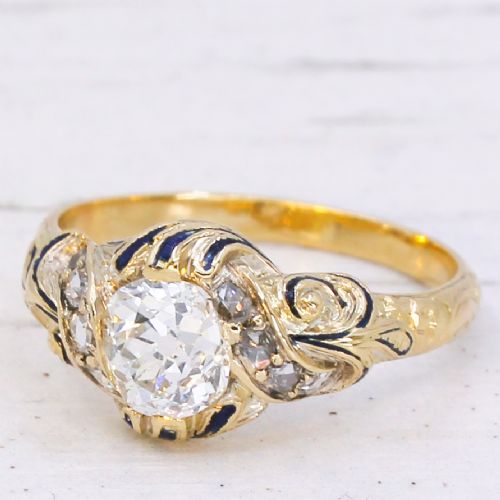
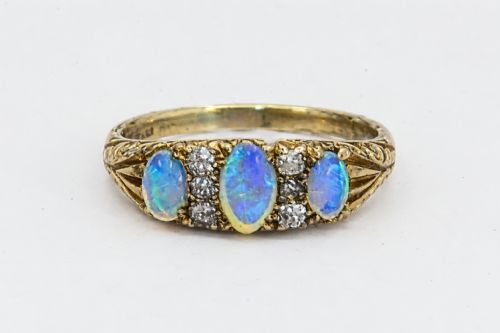
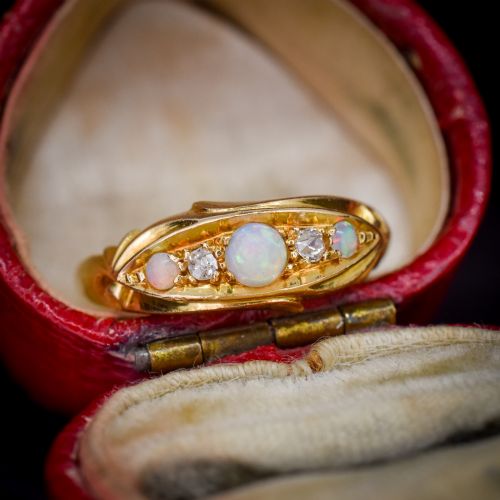
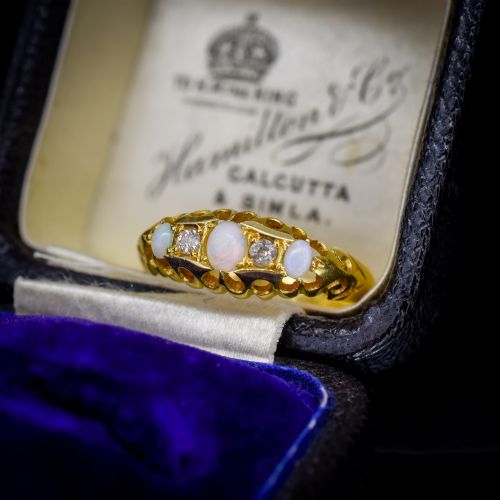
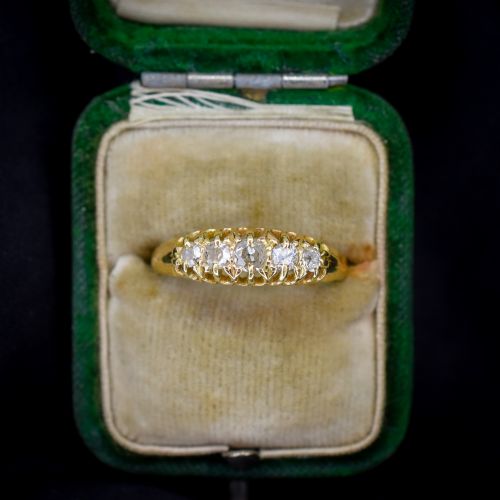
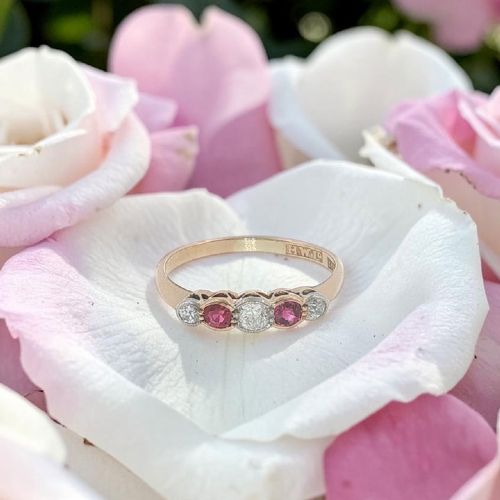
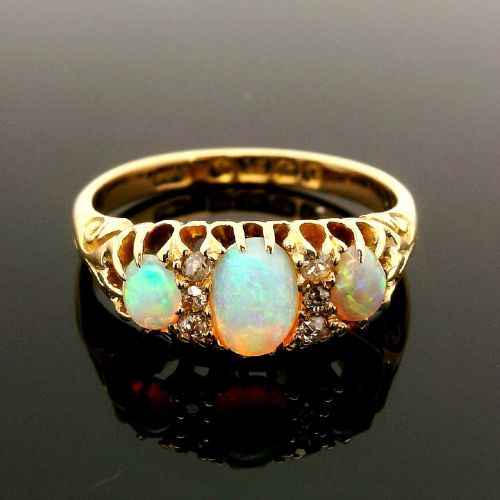
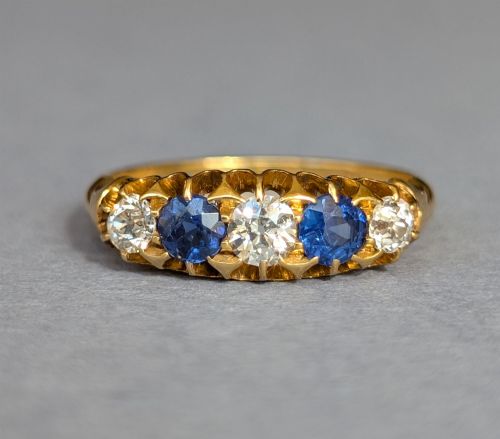
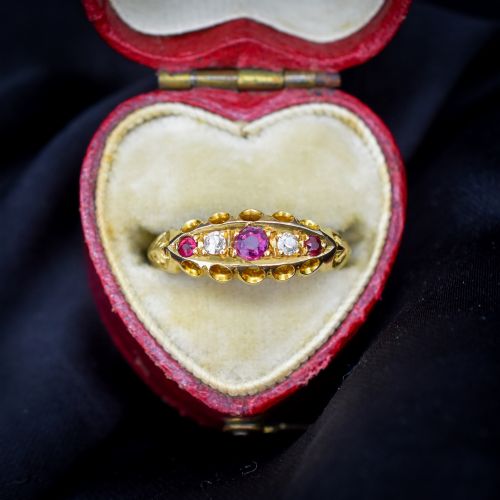
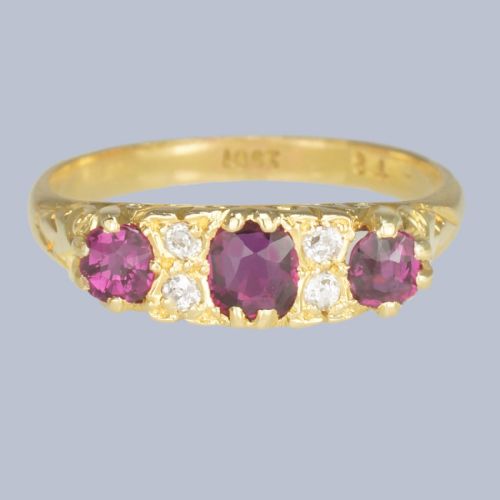
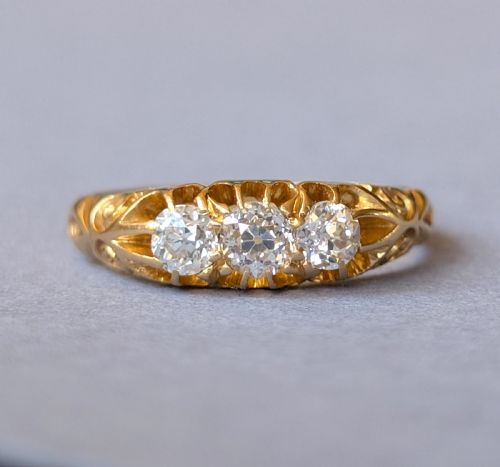
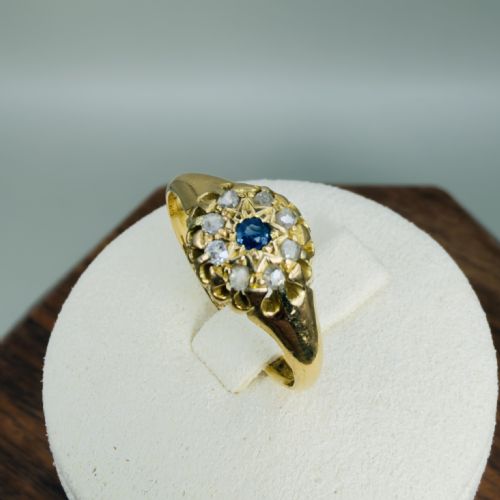
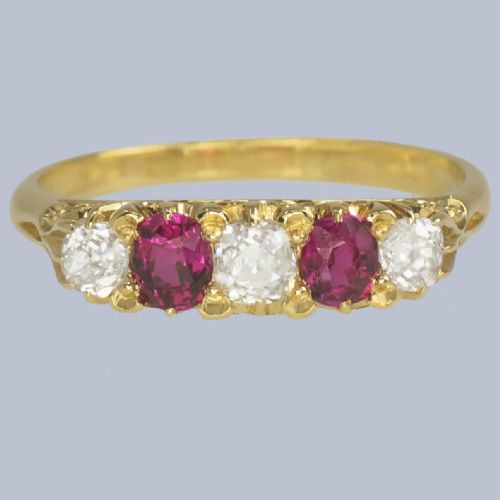
A gold diamond carved ring is an enduring piece of jewellery, most frequently encountered here in forms fashioned during the Victorian, Edwardian and Art Deco eras. Buyers searching for a gold diamond carved ring discover items shaped into boat settings, five stone configurations, cluster arrangements and gypsy bands. These pieces integrate diamonds alongside coloured gemstones such as opals, rubies, sapphires and turquoise.
The selections span the late nineteenth century through to the 1950s, representing classic fine jewellery traditions. Pieces range from multi-stone band rings to intricate carved motifs, capturing the stylistic shifts from ornate Victorian designs to geometric Art Deco creations.
Materials and construction
Craftsmen utilised 18ct gold and 18ct yellow gold as the primary metal base, occasionally incorporating platinum and white gold in later pieces. Diamonds, including old cut and old mine cut stones, were hand-set alongside natural opals, rubies, sapphires and turquoise.
Workshops employed detailed metal carving, bezel settings and claw mountings. Hallmarks stamped by regional assay offices such as Birmingham and Chester frequently authenticate the precious metal content and date of manufacture.
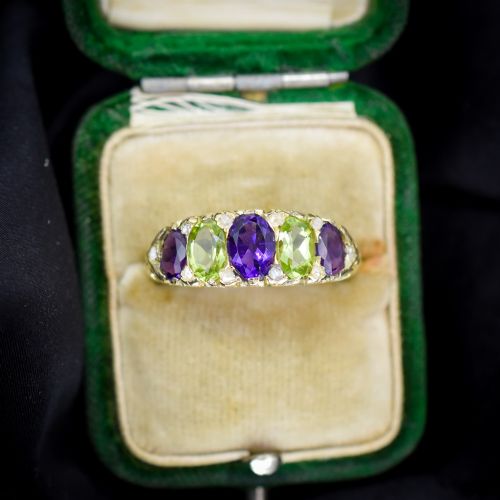
Suffragette-era makers ingeniously encoded political allegiance into jewellery by pairing peridot, amethyst and diamond stones to spell out give women votes.
Evaluating quality and craftsmanship
Quality rests in the precision of the stone cutting, the security of the mountings and the crispness of the carved metal details. Old cut diamonds display distinctive light refraction, whilst well-matched coloured gems elevate the overall harmony of a cluster or boat setting.
The integrity of the original band, clear hallmarks and minimal wear to delicate scrollwork or carved shoulders distinguish finer examples from more routine items.
The Gold Diamond Carved Ring Glossary
- Boat ring
- A ring featuring a curved, navette-like setting that tapers towards the ends, popular in the Edwardian and Victorian periods. This shape allows multiple stones to sit horizontally across the finger.
- Old cut diamond
- A hand-faceted diamond cut before the modern brilliant standard was established in the early twentieth century. These stones typically feature smaller tables and larger culets, giving a characteristic warm glow under candlelight.
- Gypsy ring
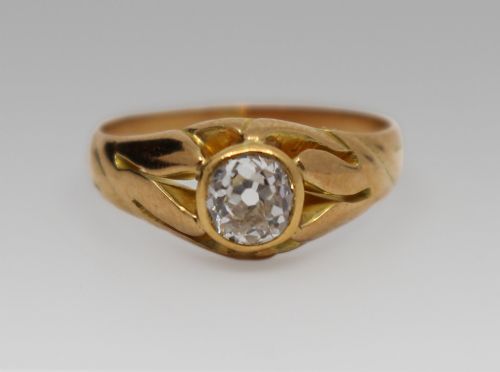
- A style where stones are flush-set directly into a heavy, tapering gold band. This mounting technique became prominent in the late Victorian era for both men and women.
- Trilogy ring
- A ring set with three stones, often signifying past, present and future. In these pieces, diamonds frequently accompany sapphires, rubies or opals.
- Assay office
- An official body that tests the purity of precious metals and stamps items with a hallmark. British offices such as Birmingham and Chester stamped numerous pieces recorded here.
Gold Diamond Carved Ring: Frequently Asked Questions
How do I care for my ring?
Clean your gold and diamond jewellery gently with warm soapy water and a soft brush, avoiding harsh chemical dips that might harm softer gems like opals or turquoise.
Store pieces individually in lined boxes to prevent the harder diamonds from scratching the gold shanks or adjacent stones.
Can these rings be resized?
Most gold rings can be altered by a skilled jeweller, though intricate shoulders or full eternity gemstone settings require careful evaluation to preserve the structural integrity.
Consult a specialist who can work with nineteenth or early twentieth-century gold without damaging historical hallmarks.
What is an old mine cut diamond?
An old mine cut is an antique diamond shape characterised by a cushion outline, a high crown and a distinctively large culet facet at the base.
These stones were shaped largely by hand during the Victorian period to maximise sparkle under gaslight or candlelight.
How can I tell the period?
Examine the mounting style, the cut of the diamonds and any official hallmarks stamped inside the gold band by regional assay offices.
Victorian pieces often feature heavy chased work or cluster arrangements, whilst Edwardian designs lean towards lighter platinum-topped boat settings and delicate filigree.