


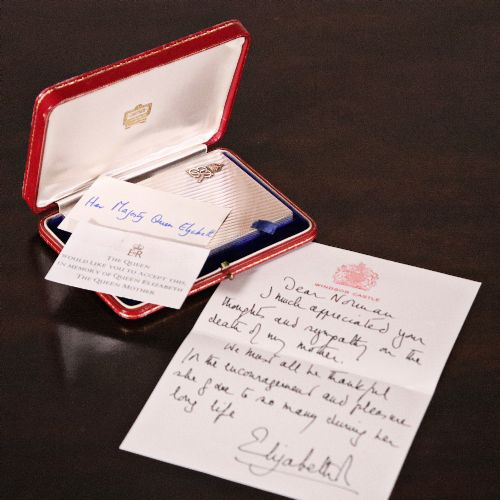

Gold Desk Accessory
A gold desk accessory brings functional elegance to a workspace, combining polished metalwork and gilt finishes with period craftsmanship.
Gold Desk Accessory
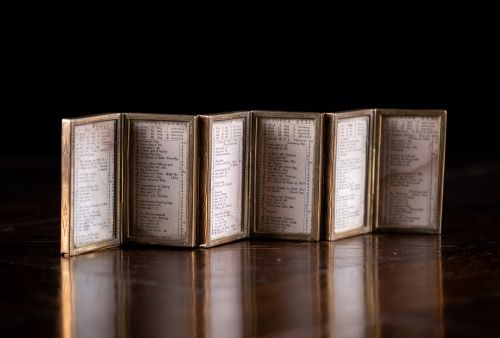
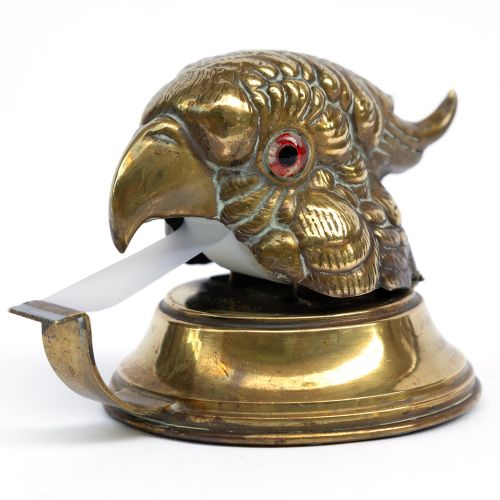
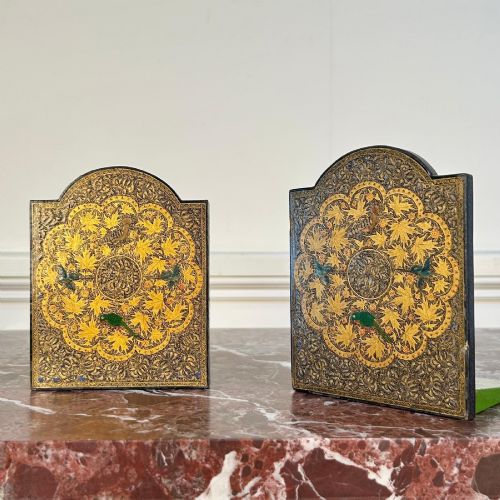
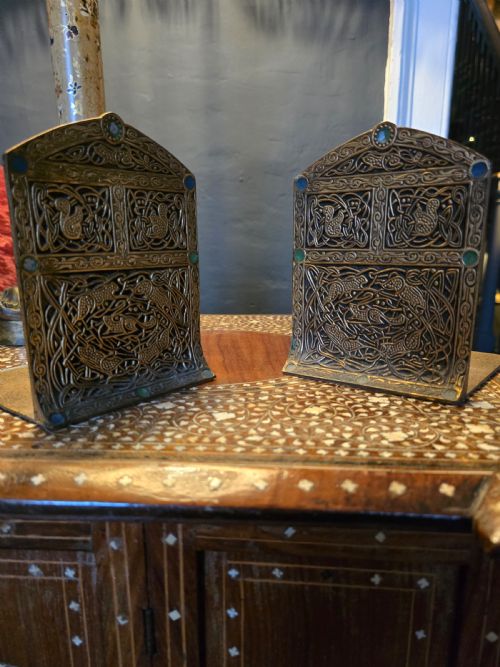
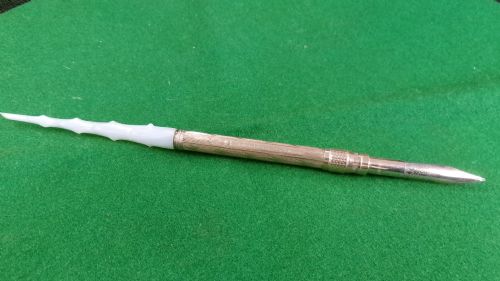
A gold desk accessory encompasses items designed for writing and organisation, ranging from inkstands and inkwells to bookends, dip pens, letter racks, and perpetual calendars. These objects serve both practical purposes and decorative functions on historical writing tables.
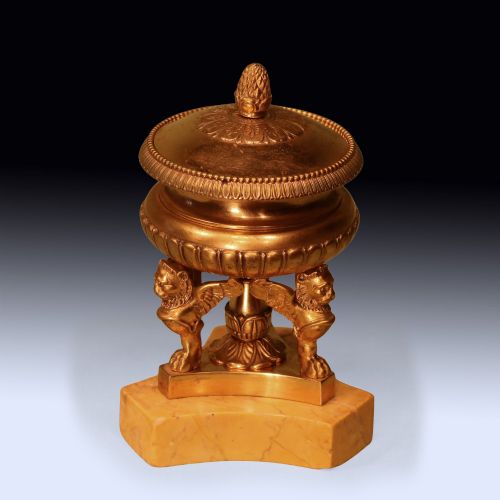
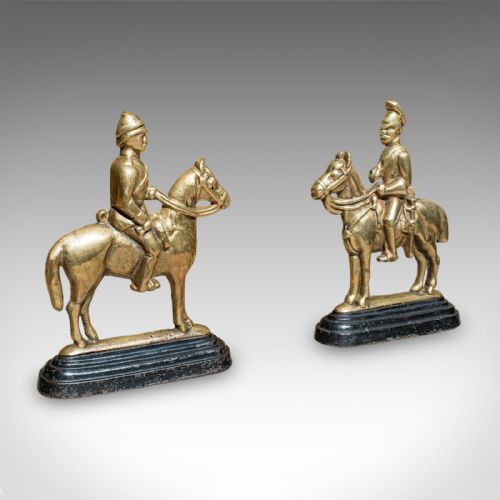
The pieces encountered most frequently on this page date from the nineteenth and early twentieth centuries, spanning the Victorian, Edwardian, and Art Deco periods. They often incorporate gilt bronze, ormolu, or brass alongside materials like marble, glass, and wood.
Origins vary from English workshops and Scottish foundries to French ateliers and American manufacturers. Items reflect diverse stylistic influences including Rococo Revival, French Empire, and Art Nouveau.
How they were made
Makers utilised metalcasting techniques, particularly sand casting and lost-wax methods, to shape bronze, brass, and gilt metals into intricate figures, stands, and frames. Chasing and hand-finishing added crisp surface details to cast elements.
Gilding processes such as fire gilding or ormolu application created lasting golden surfaces on bronze and brass substrates. Artisans frequently combined these gilded metals with contrasting natural materials like Sienna marble, tortoiseshell, leather, and porcelain.
Materials recorded on this page include brass, gilt bronze, ormolu, marble, glass, wood, leather, and tortoiseshell.
What varies in quality
Quality depends on the crispness of the cast and the depth of the hand-chasing, where finer examples display sharp relief and carefully articulated textures. Poorer workmanship results in softer contours and simplified surface decoration.
The durability and richness of the gilding separate standard production from superior pieces, alongside the quality of the mounted secondary materials such as figured marble bases or hand-painted porcelain panels.
Tiffany Studios New York·William Tonks of Birmingham·Mabie Todd & Co·Edward Todd & Co New York·Flight Barr & Barr·Jennings Brothers·Robert Hennell·Marson & Jones Birmingham
The Gold Desk Accessory Glossary
- Ormolu
- Gilded bronze, typically produced by applying a mercury and gold amalgam to a bronze base and heating it to drive off the mercury. This technique creates a durable, warm golden finish seen on nineteenth-century desk stands.
- Inkstand
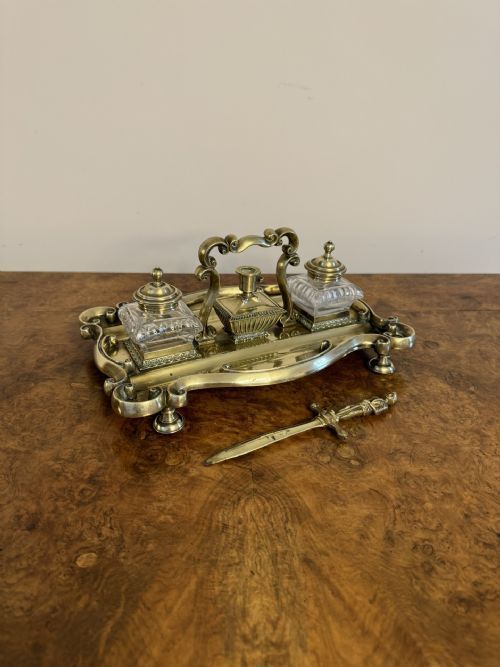
- A tray or stand holding one or more inkwells, sanders, and pen holders. These portable writing implements sat upon desks to organise the materials required for quill and pen work.
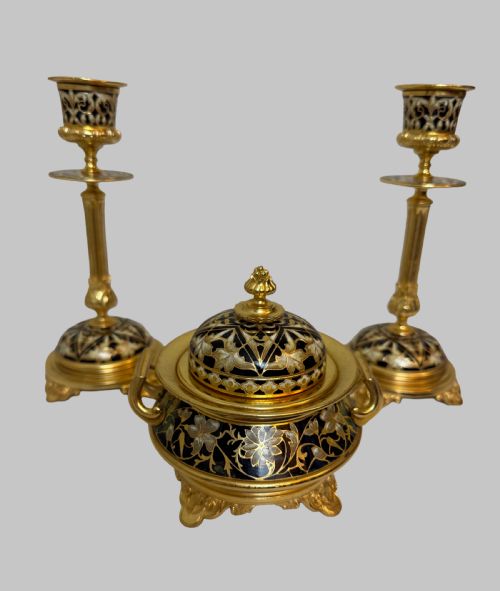
- Champlevé
- An enamelling technique where troughs or cells are hollowed out of a metal surface and filled with vitreous enamel powder before firing. It appears on nineteenth-century desk sets and candlesticks.
- Standish
- An alternative term for an inkstand, often referring to a more elaborate portable desk tray complete with containers for ink, pounce, and pens.
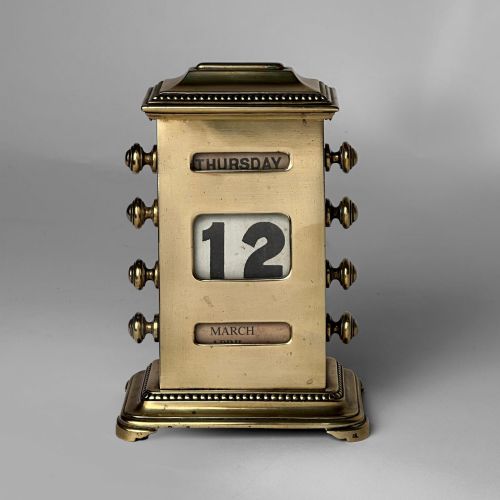
- Perpetual calendar
- A mechanical device designed to show the day and date correctly across years through rotating drums or sliding indicators. These items were frequently cast in brass or bronze with engraved numerals.
Gold Desk Accessory: Frequently Asked Questions
What is a gold desk accessory?
A gold desk accessory refers to functional items finished in gilt, ormolu, or gold plating designed for writing and correspondence. These include inkwells, letter racks, pen stands, and perpetual calendars.
Such objects served the practical needs of Victorian and Edwardian writers while adding decorative refinement to libraries and offices.
How do I date a brass or gilt desk set?
Dating relies on stylistic clues, manufacturing techniques, and occasional maker marks or stamps. Pieces reflect design movements such as Regency, Rococo Revival, or Art Deco.
Heavier cast bronze and mercury-gilded ormolu typically indicate nineteenth-century production, whereas cleaner lines and simpler motifs often point toward the twentieth century.
How were nineteenth-century inkstands used?
Nineteenth-century inkstands held liquid ink within glass or porcelain inserts housed inside metal frames. They kept writing tools organised and accessible for daily correspondence.
Many included compartments for blotting paper, nibs, and fine sand used to dry wet ink before envelopes became common.
How do I care for antique gilt metal?
Care for gilt metal requires gentle dusting with a soft, dry cloth to prevent abrasion of the delicate surface layer. Avoid harsh chemical cleaners or abrasive polishes that can strip away original gilding.
Keep pieces away from direct moisture and handling acids to preserve the historical finish of the brass or bronze.