


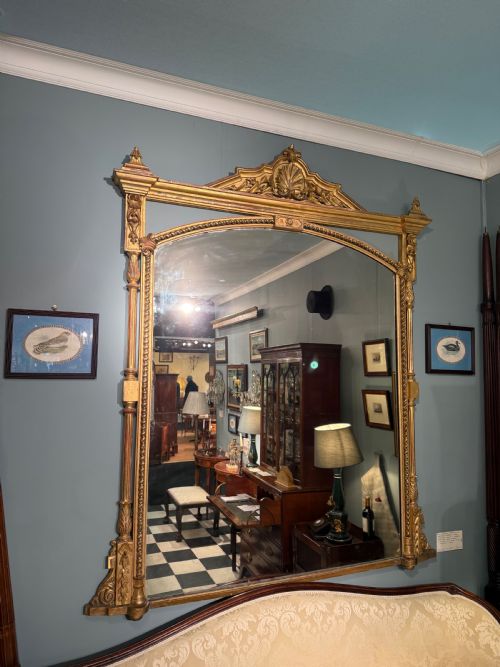
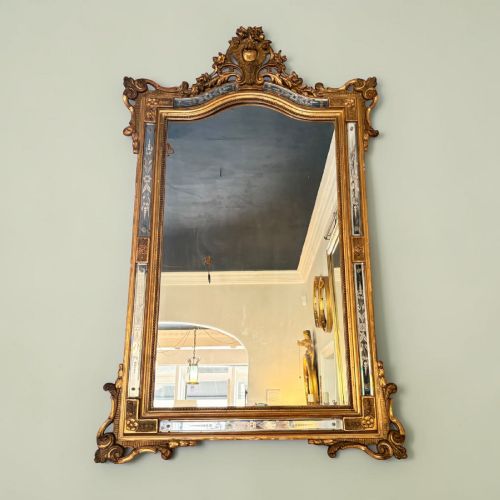
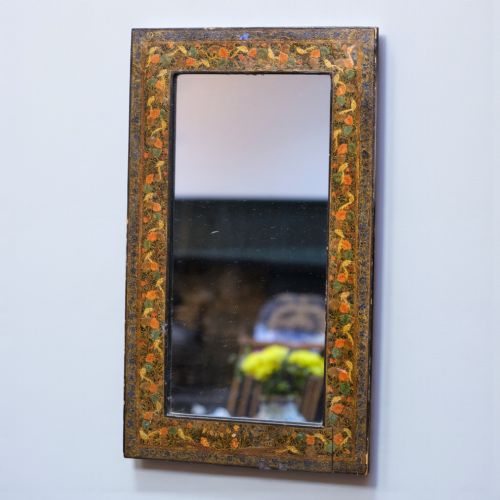
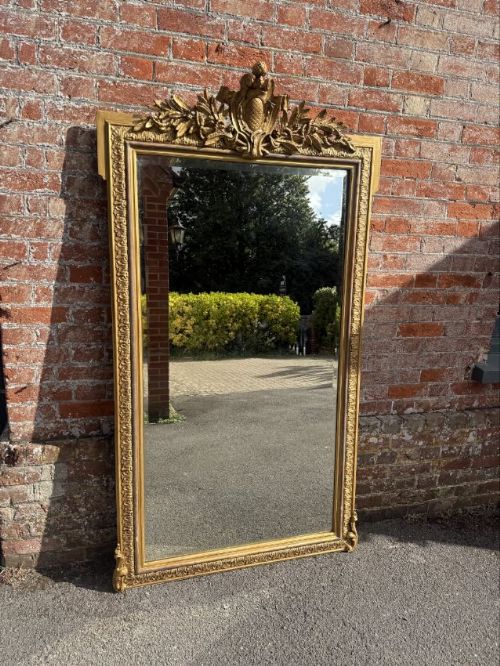
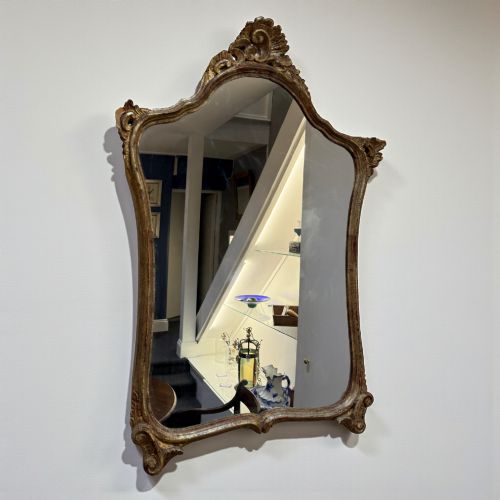
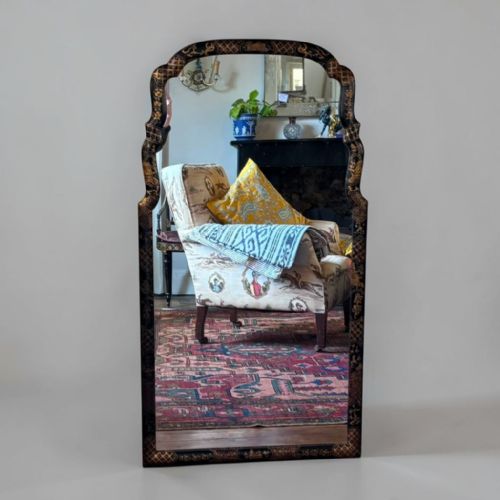
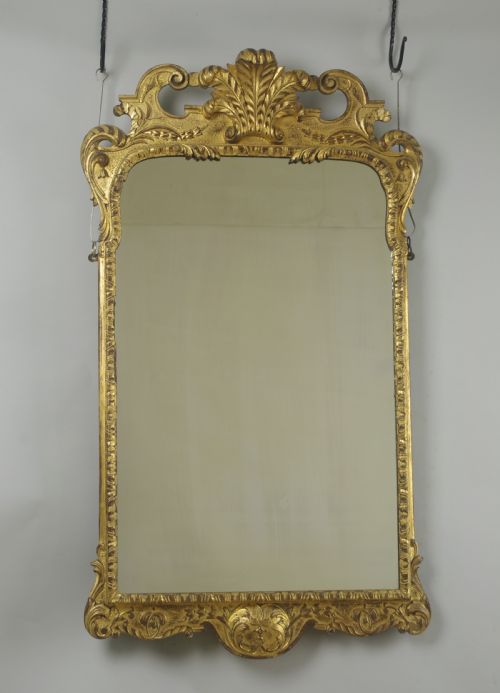
Gold Decorative Mirror Frame
A gold decorative mirror frame brings instant light and presence to a room, drawing the eye with carved detail and metallic warmth.
Gold Decorative Mirror Frame
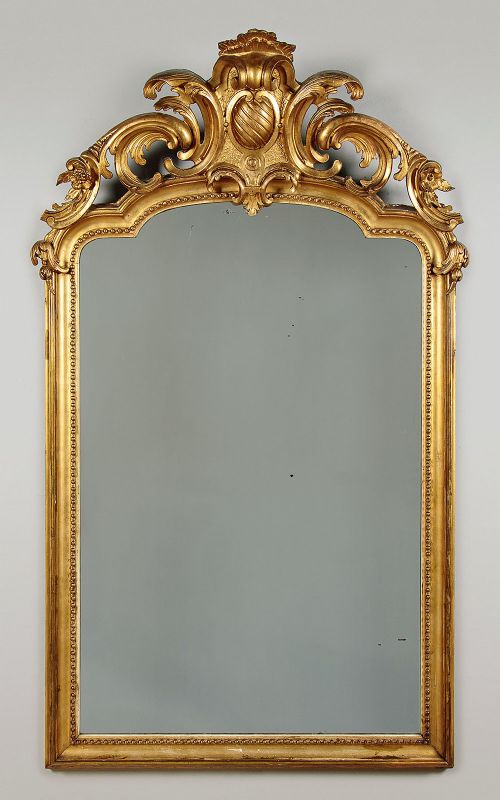
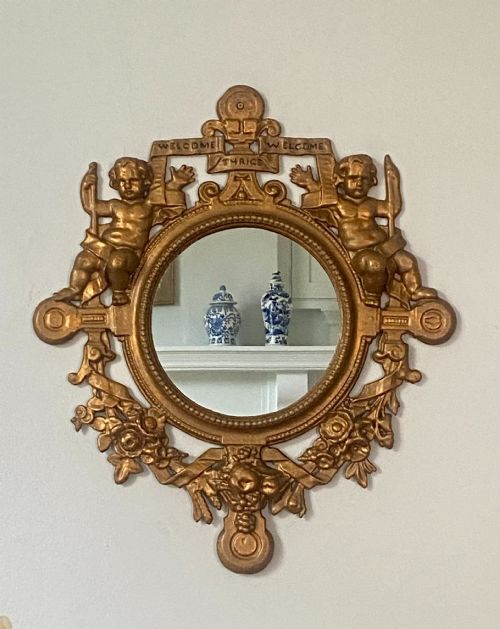
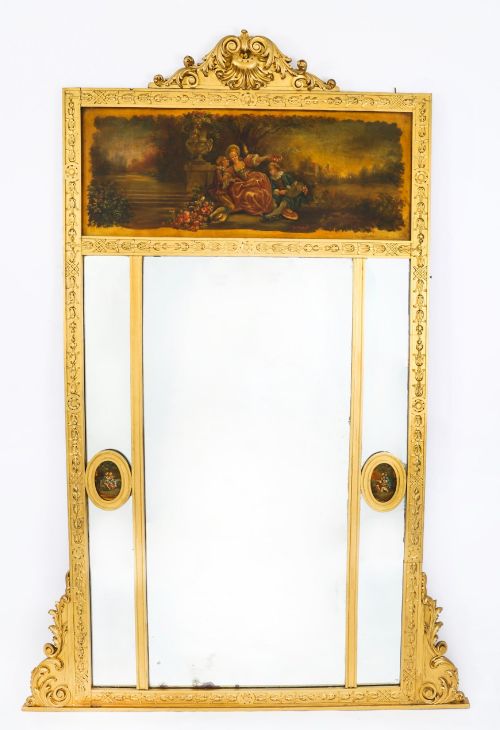
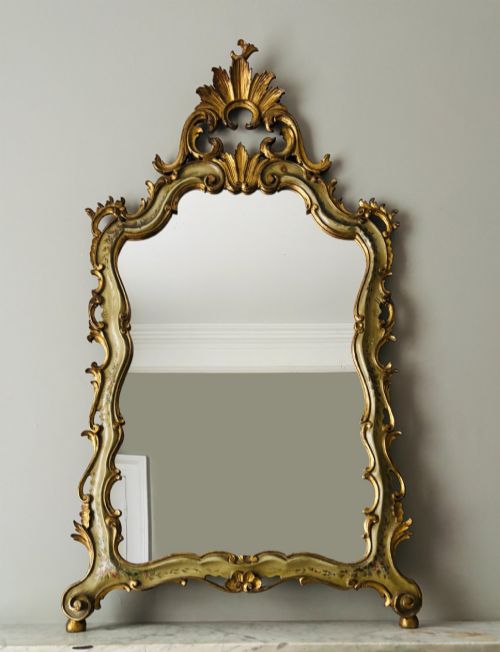
A gold decorative mirror frame provides an ornate focal point for domestic interiors, incorporating styles from Rococo Revival and Regency to French Chateau and Chinoiserie. Buyers searching for a gold decorative mirror frame typically encounter nineteenth-century pieces alongside early twentieth-century examples.
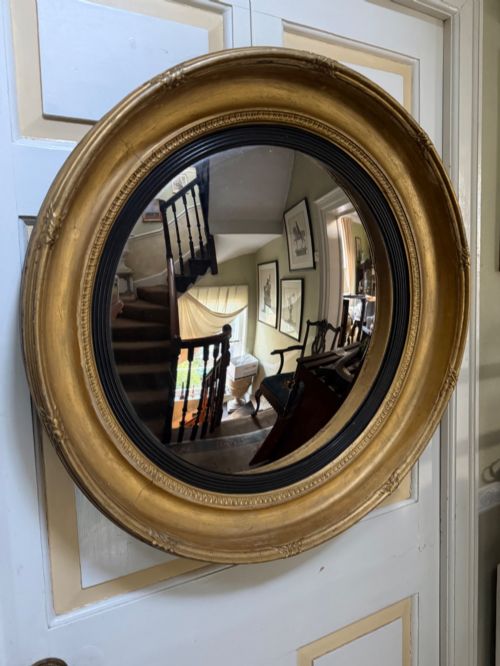
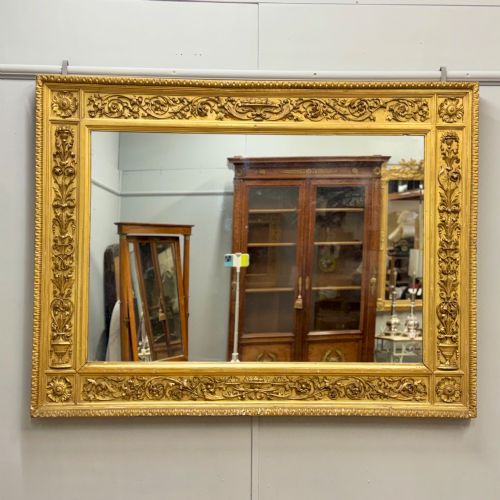
The selection encompasses substantial overmantle mirrors, convex porthole mirrors, pier glasses, and pairs of girandoles designed to hang between windows or above mantelpieces. Italian Florentine carvings, Venetian plates, and French giltwood frames dominate the physical forms seen across the current stock.
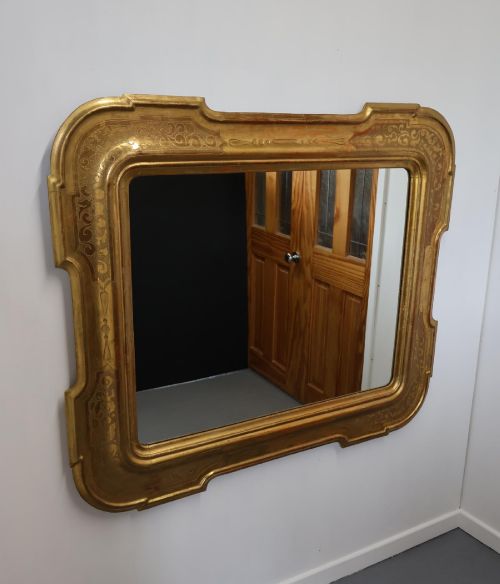
Originating from English, French, and Italian workshops, these items utilise glass, wood, and metal leaf to create reflective surfaces surrounded by elaborate ornamentation. Pieces span from small French wall mirrors to large cushion frames and carved rectangular panels.
Materials and construction methods
Giltwood and gesso serve as the primary foundations for these frames, where artisans carved intricate floral motifs, columns, or rope twists directly into wooden substrates. Plaster-based gesso was then applied and smoothed to receive layers of gold leaf or paint.
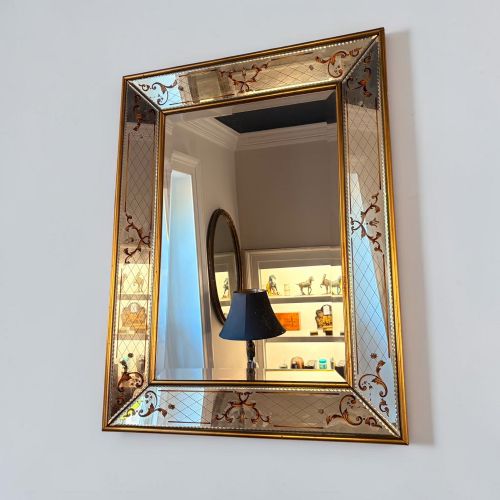
Reflective plates consist of glass, occasionally featuring etched designs, engraved details, or light foxing accrued over decades of use. Frames frequently combine carved wood with parcel-gilt sections, ebonised highlights, or polychrome paint finishes.
Gold Decorative Mirror Frame Retail Price Guide 2026
Typical asking prices for gold decorative mirror frame among the pieces listed under this phrase on Sellingantiques today, from the lower quarter to the upper quarter. They describe what is for sale here now, not the wider market.
Listings feature items spanning the eighteenth century through to the Art Deco period of the 1930s.
Distinctions in craftsmanship
Depth and crispness of carving separate standard production from superior artistry, particularly in deeply undercut wooden acanthus leaves and moulded gesso details. The application of gold leaf demonstrates distinct levels of skill, ranging from flat gilded surfaces to burnished finishes that catch ambient light effectively.
The integrity of the underlying structure dictates the durability of larger overmantle and pier glass frames, where heavy glass puts constant strain on joints. Original mirror plates with authentic silvering degradation display greater character than later replacement glass.
The Gold Decorative Mirror Frame Glossary
- Giltwood
- Wood that has been coated with a thin layer of gold leaf or gold powder. This technique provides a luminous metallic finish that ages with a warm patina.
- Gesso
- A plaster mixture applied to wood frames as a base before gilding. It allows craftsmen to carve intricate relief ornaments and scrollwork.
- Overmantle mirror
- A large horizontal mirror designed to sit directly above a fireplace mantel. These pieces often feature architectural framing to anchor the hearth space.
- Girandole
- A decorative wall mirror fitted with one or more candle arms attached to the frame. The polished branches multiply the candlelight in a room.
- Verre eglomise
- A cold decoration technique where design elements are gilded and painted onto the reverse side of glass. This process creates a reflective panel with deep visual layers.
Gold Decorative Mirror Frame: Frequently Asked Questions
How do I hang a heavy overmantle mirror?
Large overmantle frames require secure wall anchors fixed directly into masonry or solid wooden studs to support the substantial weight of the timber and glass.
Professional mirror hangers often utilise heavy-duty strap brackets distributed evenly across the upper and lower frame structure for stability.
What is foxed glass on an antique mirror?
Foxed glass refers to the speckled dark spots and mottled degradation that develops on the silver backing of older mirrors over time.
This natural oxidation process is valued by collectors as a genuine sign of age rather than a structural fault.
Where should I place a convex mirror?
Convex mirrors were historically placed in drawing rooms to capture a wide panoramic reflection of the entire interior space.
Positioning them opposite a window maximises the distribution of natural daylight into darker corners of a room.
How do I clean a giltwood frame?
Dust giltwood frames gently using a very soft dry brush or a feather duster to protect the delicate gold leaf application.
Avoid liquid cleaners, moisture, and abrasive cloths entirely, as these substances will strip the historical metallic surface away.