

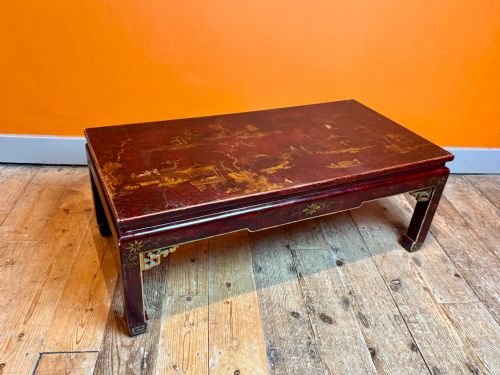
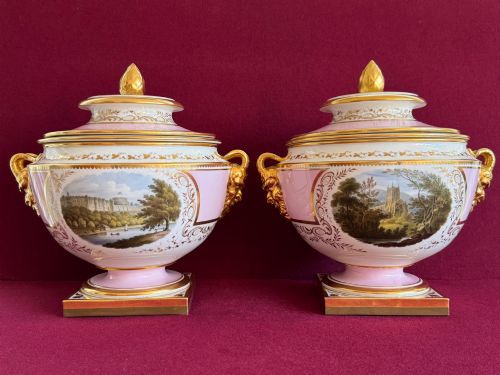
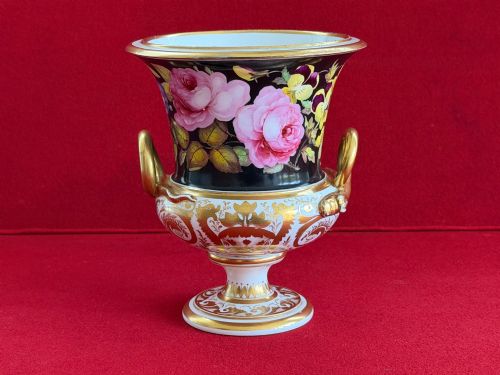

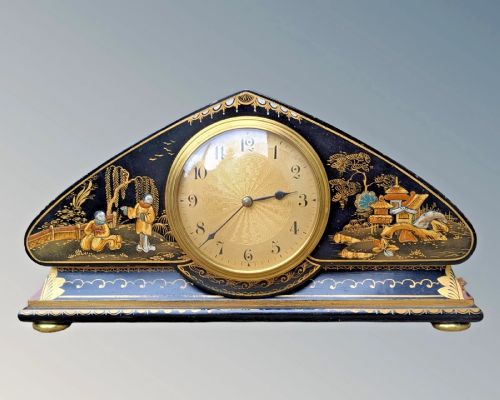
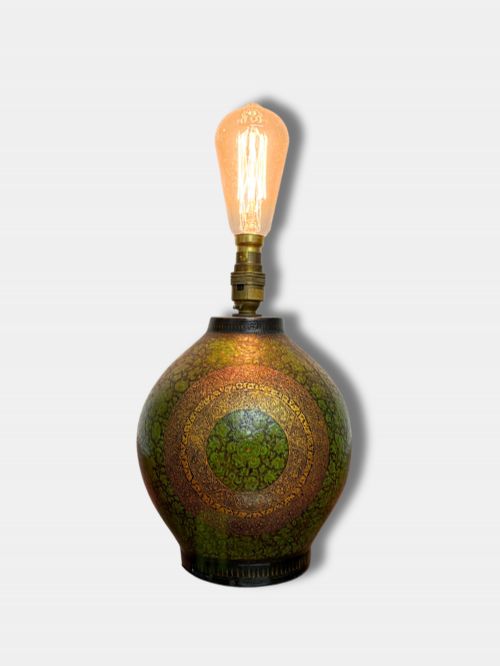


Gold Decorated Tables
Gold decorated tables combine functional surfaces with ornate gilt ornamentation, offering sophisticated accents for refined interiors.
Gold Decorated Tables
Gold decorated tables encompass various forms including nests of tables, occasional tables, coffee tables, and chess tables spanning several periods from the Regency era through the early twentieth century. Buyers seeking gold decorated tables encounter diverse stylistic influences, notably Chinoiserie, Kashmiri, Anglo-Indian, and Regency style.
How They Were Made
Craftsmen utilised traditional timber construction combined with specialist surface ornamentation such as hand painting, lacquer work, and penwork. Gilt and gold leaf were meticulously applied to create intricate metallic detailing upon wood and papier-mâché substrates.
Makers employed decorative techniques influenced by Asian and European design traditions, incorporating contrasting pigments like green and black lacquer alongside raised or flat gold leaf motifs.
Gold Decorated Tables Retail Price Guide 2026
Typical asking prices for gold decorated tables among the pieces listed under this phrase on Sellingantiques today, from the lower quarter to the upper quarter. They describe what is for sale here now, not the wider market.
Even a humble chess table can transform an ordinary afternoon into an aristocratic tournament.
What Varies in Quality
Quality rests upon the precision of the surface decoration, the depth of the lacquer or timber foundation, and the finesse of the gold leaf application. Finer examples display crisp hand-painted motifs and well-preserved gilding that integrates harmoniously with the underlying material.
Mallets·Kinkozan·Royal Worcester·Wedgwood·Flight, Barr and Barr
The Gold Decorated Tables Glossary
- Chinoiserie
- A European stylistic tradition reflecting Chinese artistic motifs, frequently rendered in gold on lacquer surfaces. This style became particularly popular for decorative furniture and clocks.
- Gilt
- A thin layer of gold applied to wood, metal, or papier-mâché surfaces to simulate solid gold. It provides a luminous metallic finish characteristic of these tables.
- Lacquer
- A durable resin finish applied in multiple layers and polished to a smooth sheen. It often serves as the dark background for gold painted decoration.
- Penwork
- A meticulous decorative technique utilising fine ink lines and tinted designs on wood. It creates detailed pictorial scenes similar to engravings.
- Papier-mâché
- A composite material made from paper pulp mixed with adhesive, moulded and dried before receiving lacquer and gilt decoration. It offers a lightweight yet resilient base for occasional furniture.
Gold Decorated Tables: Frequently Asked Questions
What periods do these tables represent?
The selection includes pieces created during the Regency era, the Victorian period, and the early twentieth century up to the 1930s. Stylistic revivals also introduce influences from earlier aesthetic traditions.
Craftsmen across these periods utilised diverse methods, combining traditional woodworking with distinct surface ornamentation such as Chinoiserie lacquer and penwork.
How do I care for a lacquered table?
Lacquered and gilded surfaces require gentle dusting with a soft, dry cloth and protection from direct sunlight and excessive moisture. Avoid chemical cleaning products that might damage the delicate gold leaf.
Maintaining stable room temperatures helps prevent timber movement and preserves the integrity of the painted and gilded finish over time.
Where were these tables made?
Origin points span British workshops, French ateliers, and traditional craft centres in Kashmir and India. Each region contributed distinct regional motifs and structural techniques.
European makers frequently interpreted Asian designs, resulting in hybrid styles like Regency Chinoiserie and Anglo-Indian occasional pieces.
How do I identify a penwork table?
Penwork involves intricate ink-drawn designs executed directly onto a prepared wooden surface, often highlighted with subtle gilt touches. Under close inspection, the lines resemble fine copperplate engravings rather than brush-painted strokes.
This technique appeared on specialised occasional and chess tables during the late eighteenth and early nineteenth centuries.