


Gold Cluster Necklace
When choosing a gold cluster necklace, you select a central cluster of gemstones arranged on gold chains from Victorian and mid-century periods.
Gold Cluster Necklace
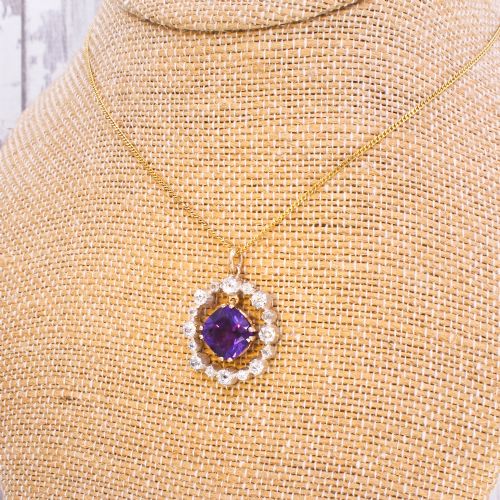
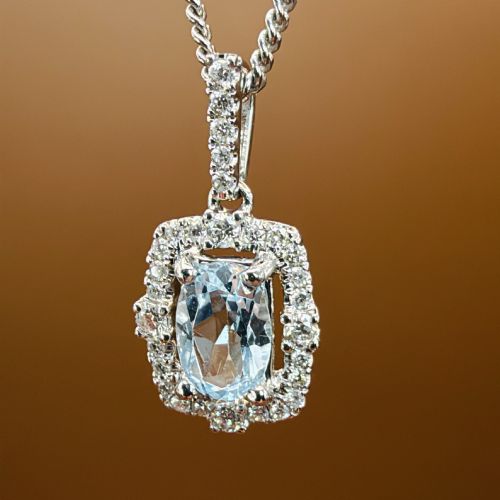
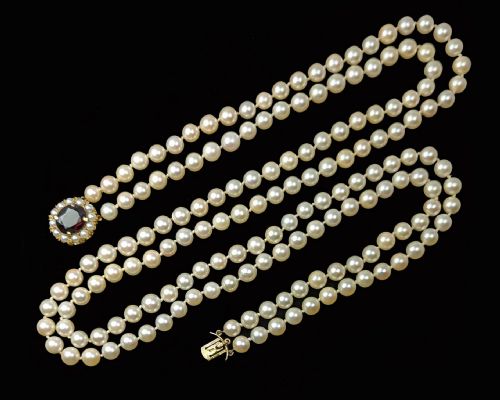
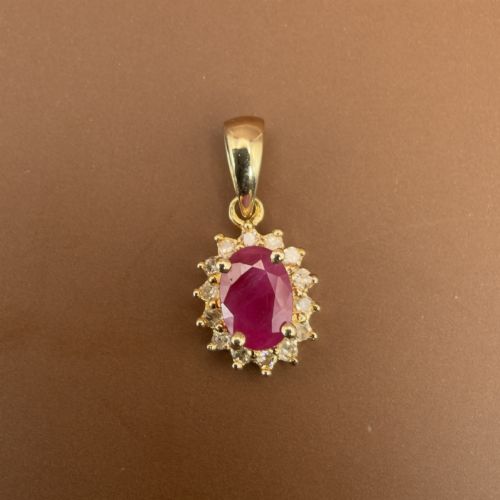
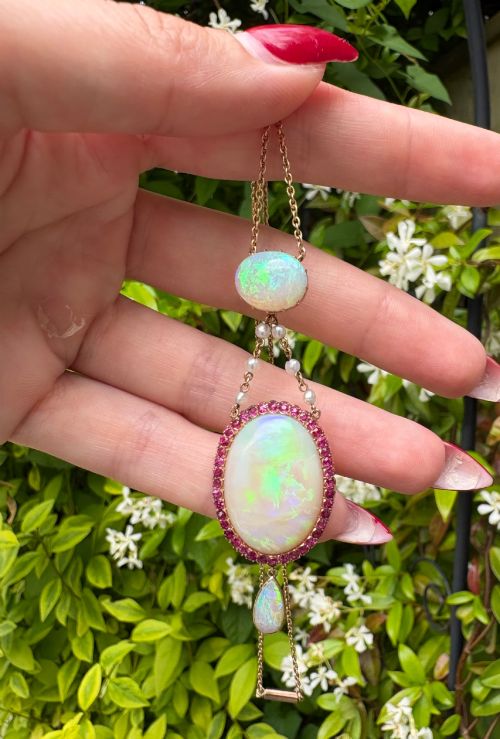
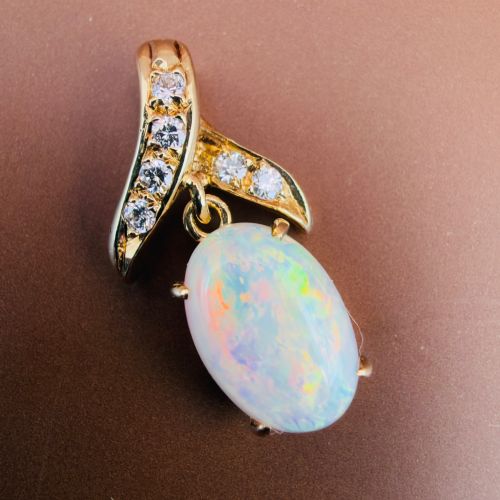
A gold cluster necklace comprises a focal pendant or clasp featuring a central stone surrounded by smaller gems, suspended from a gold chain. The gold cluster necklace takes various forms, from Victorian garnet and pearl fringes to mid-century diamond and aquamarine pendants.
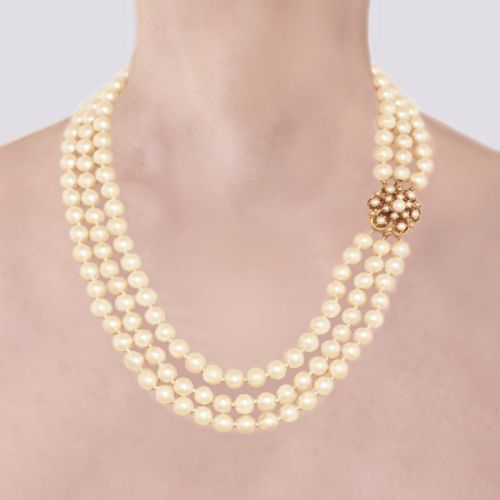
Buyers encounter distinct configurations, including single drop pendants and multi-strand pearl necklaces secured by ornate cluster clasps. These pieces bridge centuries of design, reflecting changing gemstone preferences from early garnet work to mid-century white gold and sapphire combinations.
How they were made
Goldsmiths utilised yellow, white and rose gold in nine, fourteen and eighteen-carat purities to mount precious and semi-precious stones. Setting techniques evolved from closed-back Victorian foils to open settings that allowed light to pass through old-cut diamonds and coloured gems.
Gemstones such as rubies, sapphires, opals and seed pearls were meticulously arranged in tight geometric or floral formations. Master jewellers combined gold with platinum or silver, particularly during transitional Edwardian and Arts and Crafts periods.
Gemstones span diamonds, rubies, sapphires, emeralds, opals, garnets, peridots, zircons and cultured pearls.
What varies in quality
Quality rests upon the symmetry of the stone arrangement and the depth of colour within the central gem. Superior examples display well-matched secondary stones and robust metalwork that securely holds each element without excess solder.
The weight of the gold and the provenance of the gemstones distinguish standard production items from finer workshop pieces. Hallmark clarity and the precision of the stone-setting reveal the standard of craftsmanship behind each individual jewel.
Dorrie Nossiter·Hirsch and Oppenheimer
The Gold Cluster Necklace Glossary
- Cluster
- A style of jewellery where a central gemstone is encircled by a border of smaller stones. This configuration maximises visual impact and light reflection.
- Old-cut
- A diamond cutting style prevalent before modern round brilliants, characterised by a high crown and small table. These stones exhibit a distinctive soft scintillation under candlelight.
- Seed pearl
- A very small, naturally occurring pearl often drilled and used in clusters or multi-strand necklaces. Victorian and Edwardian jewellers utilised them to create delicate floral motifs.
- Cabochon
- A gemstone shaped and polished with a smooth, rounded surface rather than faceted. This cut is frequently applied to opals, star sapphires and garnets.
- Hallmark
- An official stamp applied to precious metals indicating purity and origin. These marks provide evidence of the metal content and manufacturing period.
Gold Cluster Necklace: Frequently Asked Questions
How do I date a gold cluster necklace?
Examine the metal purity stamps, setting styles and clasp mechanisms to determine the era of manufacture. Victorian pieces often feature closed-back settings and natural pearls, whereas mid-century examples frequently utilise white gold and modern safety catches.
Look for official hallmarks stamped on the reverse or the clasp. Assay marks and maker stamps provide precise clues regarding the decade of creation.
Are pearls on antique necklaces original?
Many multi-strand pearl necklaces from the mid-century period have undergone professional re-stringing to ensure structural integrity over time. Original clasps are typically retained while silk threads are replaced.
Natural saltwater pearls and cultured pearls appear across different periods. Inspect the uniformity and surface lustre to understand their origin.
How should I store my necklace?
Store your necklace flat in a lined jewellery box to prevent chains from tangling and delicate stones from scratching against one another. Keep opals and pearls away from direct sunlight and extreme temperature fluctuations.
Separate pieces containing softer gems like opals and seed pearls from harder diamonds and sapphires. Individual compartments or soft pouches offer the best protection.
Can I wear these necklaces daily?
Daily wear is possible with robust gold and diamond designs, though antique pieces require mindful handling. Items featuring softer gems such as opals demand extra care to avoid impact damage.
Remove necklaces before swimming, exercising or applying cosmetics. Chemical exposure can harm organic gems like pearls and weaken older gold settings.