




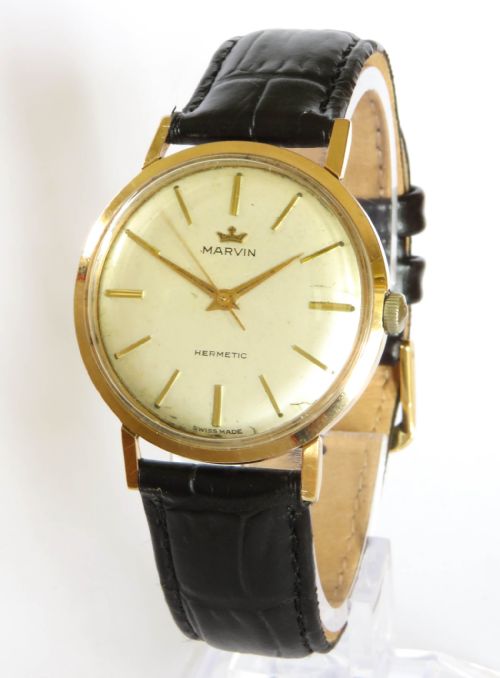


Gold Case Vintage Timepiece
A gold case vintage timepiece brings together precision engineering and precious metal in forms spanning pocket watches, wristwatches and carriage clocks.
Gold Case Vintage Timepiece
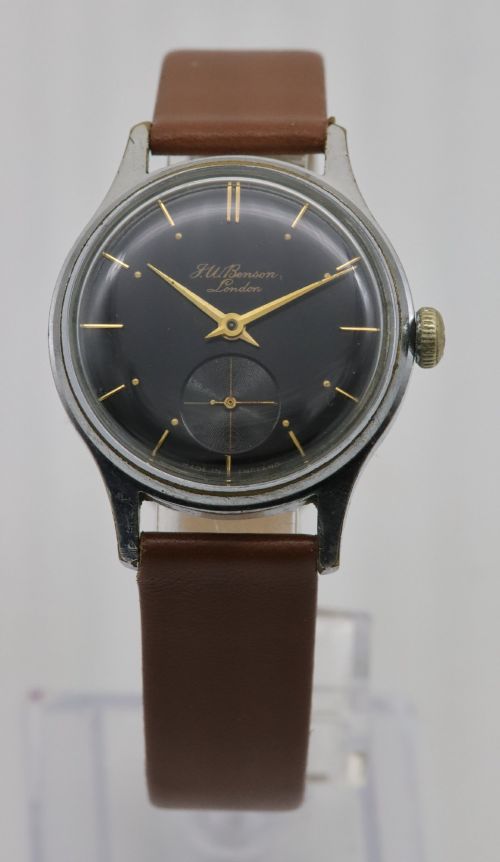
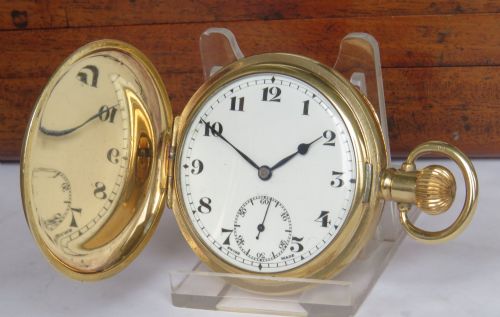
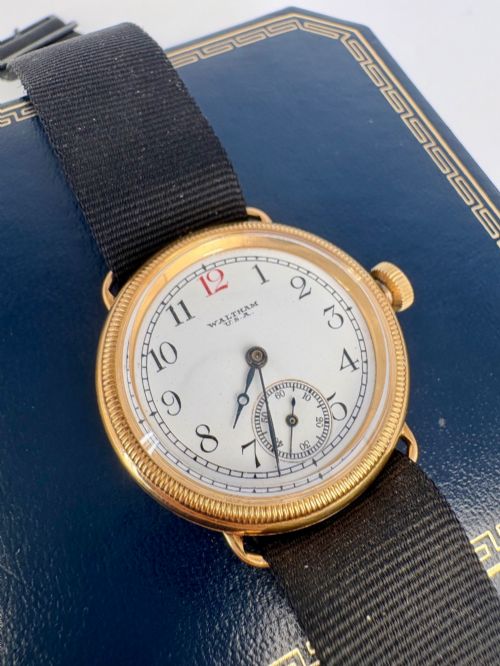
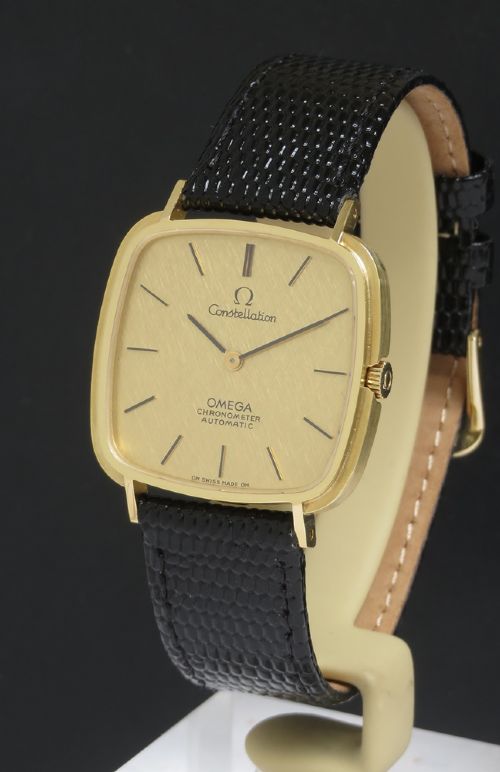
A gold case vintage timepiece encompasses several distinct categories, ranging from pocket watches and wristwatches to carriage clocks and mantel clocks. Buyers searching this phrase most frequently encounter wristwatches from the mid-century period alongside carriage clocks and pocket watches originating across the nineteenth and twentieth centuries.
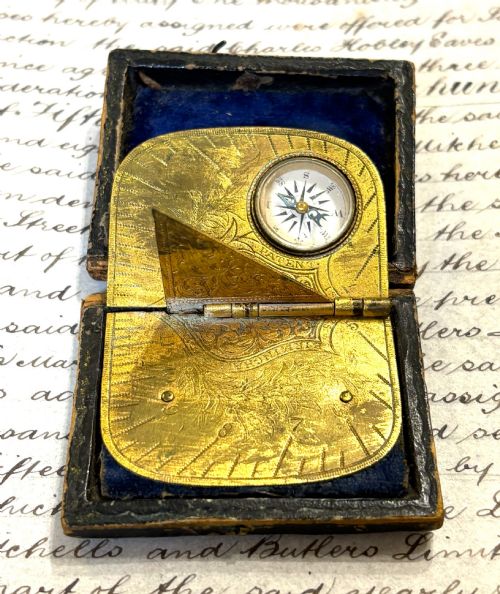
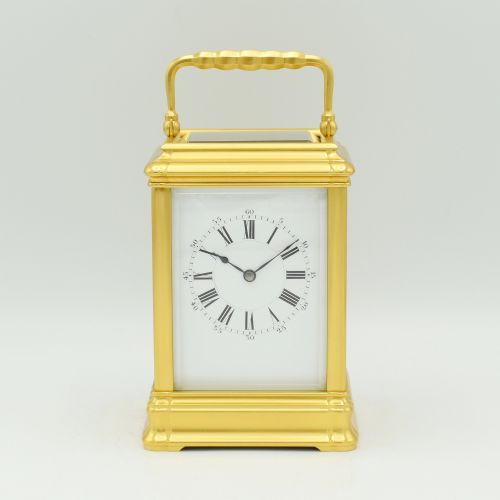
The styles represented reflect periods such as Victorian, Edwardian, Art Deco and Mid-Century Modern. Construction styles include full hunter pocket watches, folding pocket sundials, and gorge or doucine case carriage clocks.
Origins span English, Swiss and French workshops, utilising materials that combine functional metals with decorative glass, enamel and leather travel cases.
Distinctions in Quality
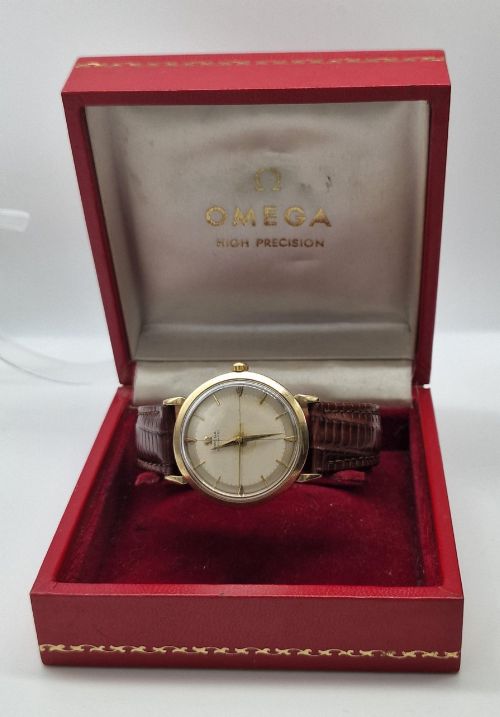
Quality rests in the precision and complexity of the movement, such as repeating mechanisms, petites sonneries, or certified chronometer status. Higher grade examples often feature fully engraved gilt brass cases, signed movements by notable makers, and original fitted presentation boxes or travel cases.
Condition and originality dictate standing, particularly whether dials, hands, straps and glass remain authentic to the period of manufacture. The integration of solid precious metal cases rather than plating marks the distinction at the upper end of the range.
Gold Case Vintage Timepiece Retail Price Guide 2026
Typical asking prices for gold case vintage timepiece among the pieces listed under this phrase on Sellingantiques today, from the lower quarter to the upper quarter. They describe what is for sale here now, not the wider market.
Some nineteenth-century travellers relied on a folding pocket sundial when their carriage clock failed to catch the sun.
Henri Jacot·Antoine Redier·Drocourt·Jaeger LeCoultre·Omega·Rolex·Waltham
The Gold Case Vintage Timepiece Glossary
- Carriage clock
- A portable spring-driven clock designed for travel, typically featuring a brass frame set with glass panels. These clocks often include handles and travel cases.
- Pocket watch
- A watch made to fit in a pocket, attached to a chain, encompassing full hunter and half hunter designs. They date predominantly from the nineteenth and early twentieth centuries.
- Gorge case
- A distinct rectangular carriage clock case style with characteristic stepped mouldings to the top and base. It houses the movement securely.
- Petite sonnerie
- A striking complication that chimes the hours and quarters automatically as they pass. It represents advanced horological craftsmanship.
- Crystal regulator
- A clock housed within a glass case that allows visibility of the movement from multiple angles. These emerged prominently during the nineteenth century.
Gold Case Vintage Timepiece: Frequently Asked Questions
How do I wind a mechanical timepiece?
Mechanical timepieces require careful manual winding via the crown for wristwatches and pocket watches, or a dedicated key for older carriage clocks. Stop winding the moment resistance is felt to avoid damaging the mainspring.
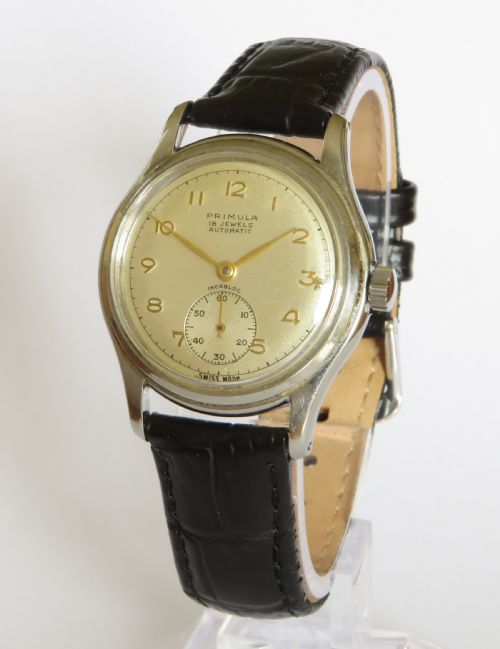
Automatic watches wind themselves through the natural movement of the wrist during daily wear. If an automatic piece has stopped completely, a few manual turns of the crown help restart the movement before wearing.
What is a carriage clock?
A carriage clock is a small, spring-driven timepiece originally built for travellers in the nineteenth century. They are housed in brass cases with glass panels that display the internal movement.
Many examples include folding handles and travel cases for protection on journeys. They often feature eight-day movements, alarm functions or striking mechanisms.
How do I date an antique watch?
Dating relies on hallmarks stamped onto precious metal cases, serial numbers matching manufacturer records, and stylistic clues in the dial design and movement architecture. Hallmarks indicate assay offices and specific years of manufacture.
Documentation, original boxes and inscriptions on dust covers or inner cases also provide reliable clues to a piece's age and history.
Can I wear a vintage watch daily?
Many vintage wristwatches function reliably for daily wear if they have been recently serviced by a professional horologist. Care must be taken to avoid water exposure, as most vintage pieces lack modern waterproofing seals.
Mechanical movements benefit from gentle handling and regular servicing every few years to keep internal lubricants fresh. Pocket watches and delicate carriage clocks are better suited for collection and display at home.