


Gold Brass Task Lamp
A gold brass task lamp brings directional light and functional metalwork to a desk or table, combining period engineering with polished warmth.
Gold Brass Task Lamp
When you search for a gold brass task lamp, you encounter adjustable metal lighting designed for functional workspaces, reading rooms and desks. These pieces span the nineteenth century through the nineteen-thirties, taking the form of table lamps, desk lamps and wall lights.
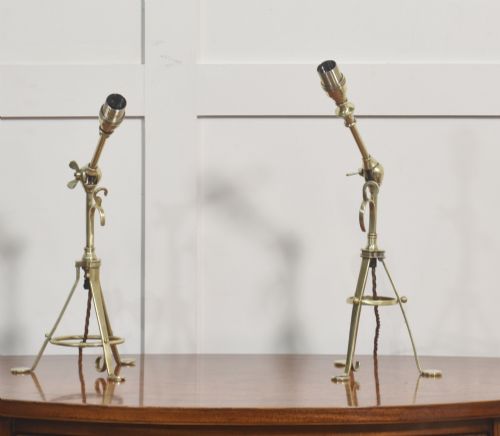
The most common versions on this page are adjustable table lamps and desk lamps originating from the Edwardian period, nineteen-ten and nineteen-twenty. They feature articulated arms, flexible stems or dual chambers designed to direct light precisely where needed.
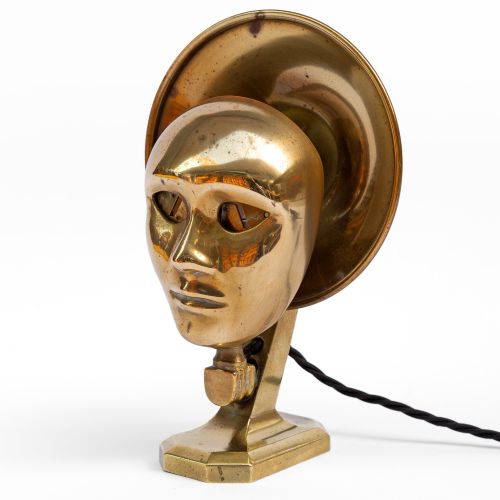
Origins range across traditional English workshops, French ateliers of the Belle Epoque and Art Nouveau periods, and modernist designs inspired by nineteen-thirty cinema. Styles vary from restrained Edwardian forms and Arts and Crafts metalwork to ornate ormolu and geometric Art Deco.
Materials and construction
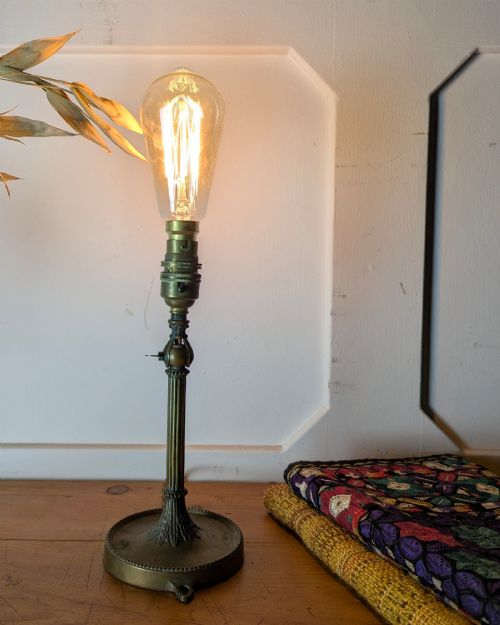
These lamps rely primarily on solid brass and ormolu, providing the structural rigidity required for adjustable arms and weighted bases. Metal components are frequently paired with glass shades, frosted glass diffusers and fabric flex wiring.
Makers utilised mechanical joints, adjustable hinges and flexible tubing to allow movement without compromising the electrical wiring housed within. Surface finishes include polished brass and gilt ormolu, which age with distinct patinas over decades of use.
Listings span periods from the nineteenth century through nineteen-thirty, incorporating brass, frosted glass, fabric flex and ormolu.
Assessing quality and finish
The distinction between standard production and the top of the range lies in the weight of the solid brass and the precision of the mechanical joints. Finer examples maintain smooth articulation in their adjustable arms and secure positioning without sagging.
Design execution separates basic utility objects from pieces with distinct artistic ambition, such as those incorporating French ormolu casting or complex dual-chamber configurations. The presence of original fabric shades, frosted glass elements and named maker attribution elevates the standing of a lamp.
W.A.S. Benson
The Gold Brass Task Lamp Glossary
- Ormolu
- Gilded bronze or brass applied to decorative objects and lamp bases. This technique produces a rich golden surface finish popular in French nineteenth-century metalwork.
- Frosted glass
- Glass treated to diffuse light evenly across a room or workspace. It softens the glare from exposed bulbs in task lighting.
- Fabric flex
- Flexible electrical cord wrapped in woven textile. It protects the internal wiring while complementing the period aesthetic of antique lamps.
- Arts and Crafts
- A design movement prioritising traditional craftsmanship and visible construction. Objects from this style emphasise honest materials over mass production.
Gold Brass Task Lamp: Frequently Asked Questions
What is a gold brass task lamp?
A gold brass task lamp is an adjustable directional light fixture made primarily from brass, designed for reading, writing and desk work.
These pieces range from late nineteenth-century French designs to nineteen-thirty modernist creations, featuring articulated arms and weighted bases.
How do I date a brass desk lamp?
Dating relies on stylistic clues such as the flowing organic lines of Art Nouveau or the geometric symmetry of Art Deco.
Construction methods, wiring types like fabric flex, and mechanical joint designs also help place a lamp within Edwardian or early twentieth-century periods.
Were these lamps used on walls or desks?
Many examples function as both table and wall lights through adjustable mounting brackets and versatile arm configurations.
Dual chamber stick lamps and heavy desk models were built specifically for stable placement on wooden surfaces.
How do I live with an antique brass lamp?
Living with these lamps involves pairing their directional light with appropriate low-heat bulbs to protect original shades and internal fittings.
Their polished or patinated metal surfaces integrate naturally into both traditional English and contemporary interiors.