




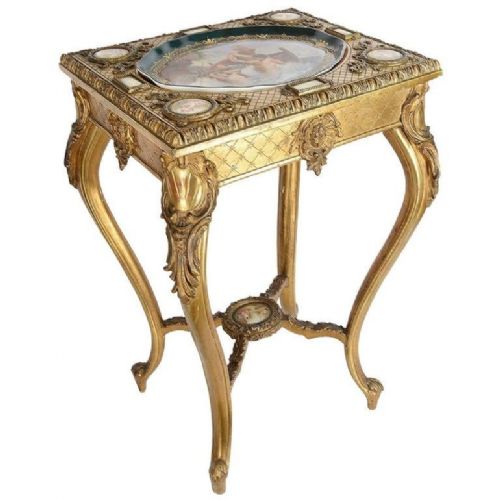


Gold Brass Coffee Table
A gold brass coffee table brings warm metallic lustre and useful low surface space into a room, drawing on diverse global design traditions.
Gold Brass Coffee Table
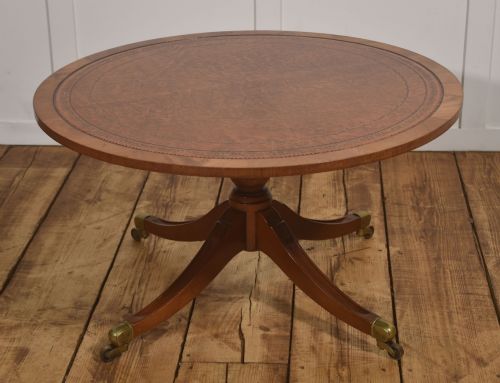
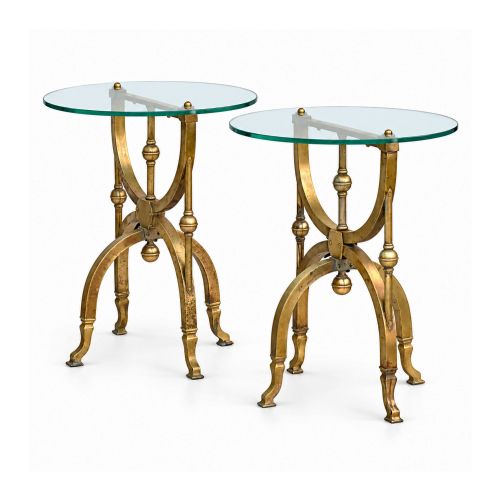
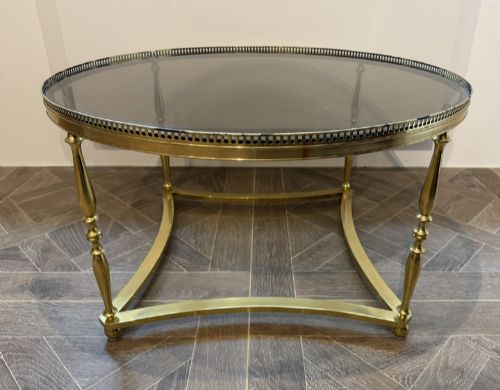
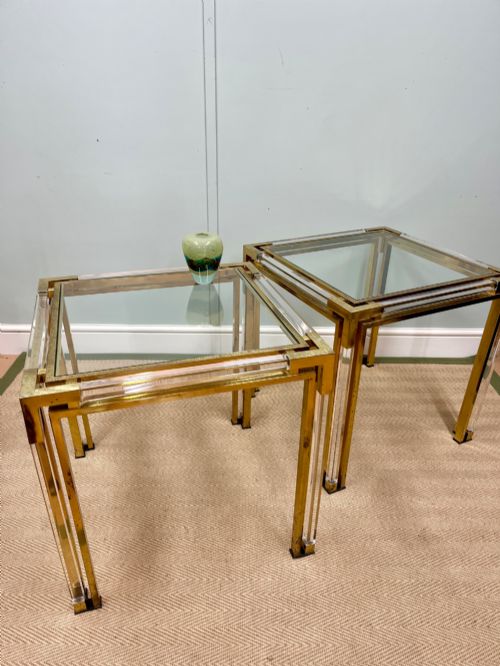
When you search for a gold brass coffee table, you encounter low tables designed for living spaces that combine metal frames with glass, marble, or inscribed metal tops. These examples span various historical periods from the nineteenth century to the early twentieth century, alongside specific revival styles. Side tables, occasional tables, and plant stands frequently share this category due to their comparable heights and surface proportions.
The most common formats on this page include brass and glass combinations, alongside tray tables featuring intricate metalwork. You will also find marble-topped variants and lacquer pieces influenced by classical and international decorative traditions. The materials span traditional hardwoods and papier-mâché alongside the defining brass structures.
Origins and design influences are remarkably varied, ranging from French neoclassical and Hollywood Regency aesthetics to Anglo-Indian and Chinoiserie interpretations. Amsterdam School styles and Regency influences also appear, demonstrating how makers adapted metal frames across different European and global workshops. Each piece balances a functional low surface with decorative metalwork.
How they were made
Construction relies heavily on structural brass paired with inset surfaces of glass, marble, or wood. Tables often incorporate cast or tubular brass elements to form the legs and frames, providing a sturdy support for heavier top materials like polished stone or thick glass plates.
Surface decoration involves specialised techniques such as hand-engraving on brass trays, lacquer work, and porcelain mounting. Artisans combined carved hardwood, papier-mâché, and painted finishes to complement the metallic framework, resulting in visually rich tables with distinct textural contrasts.
Gold Brass Coffee Table Retail Price Guide 2026
Typical asking prices for gold brass coffee table among the pieces listed under this phrase on Sellingantiques today, from the lower quarter to the upper quarter. They describe what is for sale here now, not the wider market.
Listings feature pieces spanning the nineteenth century through to the 1930s, utilising brass, marble, lacquer, and smoked glass.
What varies in quality
Quality rests upon the weight and finish of the brass, the precision of the joinery, and the integrity of inset materials like marble or smoked glass. Heavier castings and deeply engraved brass tray tops demonstrate a higher standard of craftsmanship than lighter, pressed-metal alternatives.
The refinement of stylistic details, such as classical revival mounts or hand-painted Chinoiserie lacquer, distinguishes superior examples. Maker attribution, as seen in pieces by recognised designers, also elevates the standing of an individual table within its period.
Peter Ghyczy·Mallets
The Gold Brass Coffee Table Glossary
- Tray table
- A table featuring a removable or fixed metal tray top, often engraved with intricate patterns and supported by a folding or rigid base.
- Hollywood Regency
- A design style originating in the mid-twentieth century that combines opulent materials like brass and glass with classical motifs for a theatrical interior aesthetic.
- Chinoiserie
- European decorative style inspired by Chinese artistic traditions, frequently expressed through lacquered surfaces and painted scenes on furniture.
- Amsterdam School
- An architectural and design movement from the early twentieth century characterised by expressionist forms, brickwork, and rich detailing in wood and metal.
- Anglo-Indian
- Furniture made in India by local artisans using traditional techniques adapted to British colonial tastes, often featuring brass inlay or engraved metal tops.
Gold Brass Coffee Table: Frequently Asked Questions
How do I style a brass coffee table?
Pair the warm metallic finish with neutral upholstery to let the reflective surface stand out in the room. Add books, ceramics, or glass objects that complement rather than crowd the low surface.
Keep the arrangement balanced so the decorative top remains visible. The brass frame works well alongside both dark hardwoods and lighter contemporary seating.
Are these tables sturdy enough for daily use?
Most pieces utilise solid brass frames and heavy top materials like marble or thick glass designed to withstand regular domestic placement. Occasional tables and plant stands offer reliable surface space for everyday items.
Care should be taken with older lacquer or papier-mâché surfaces to avoid moisture damage. Placing coasters on glass or wood tops preserves the original finish over time.
How do I identify the period of a brass table?
Examine the construction methods, screw types, and mounting techniques visible beneath the frame. Nineteenth-century examples often display hand-engraved detailing and heavier cast brass components.
Revival pieces from the early twentieth century frequently incorporate glass or marble inserts reflecting Amsterdam School or Hollywood Regency aesthetics. Comparing stylistic motifs to established design eras helps narrow down the decade of manufacture.
What is the difference between a coffee table and an occasional table?
Coffee tables are specifically designed to sit low in front of seating, offering a broad surface for drinks and display items. Occasional tables are generally smaller and taller, intended for placement beside chairs or against walls.
Many listings categorise low pieces interchangeably depending on their exact height and proportions. Both types share the use of brass frames and decorative tops suited to living spaces.