





Gold Bird Jewellery
Gold bird jewellery captures winged creatures in precious metals, offering enduring charm for those who appreciate fine historical adornment.
Gold Bird Jewellery
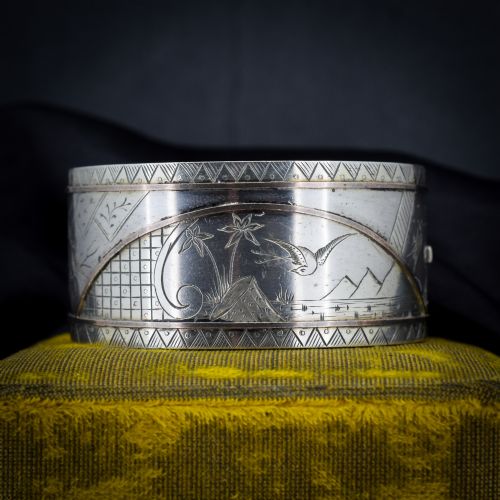
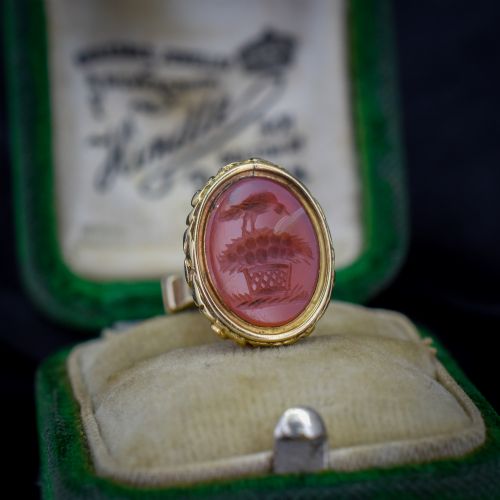
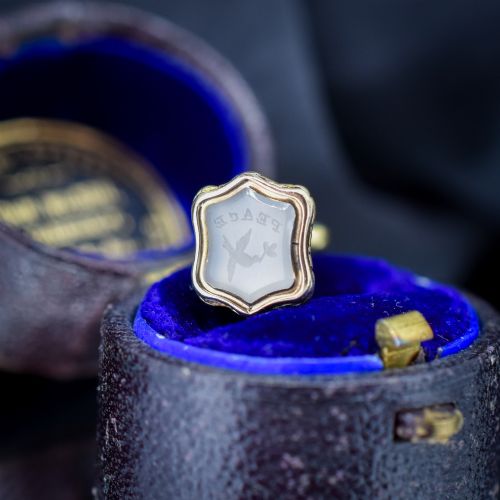
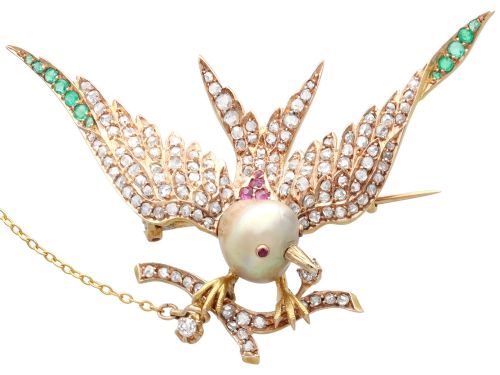
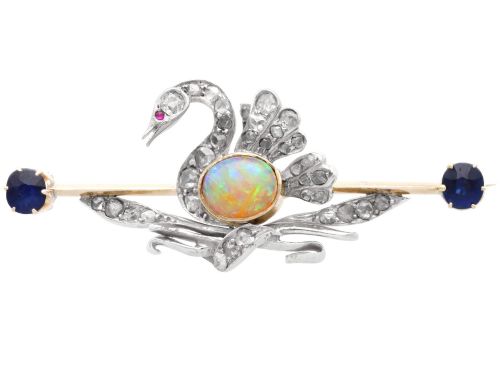
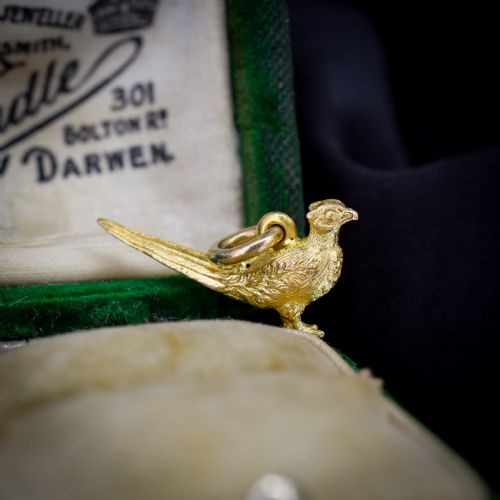
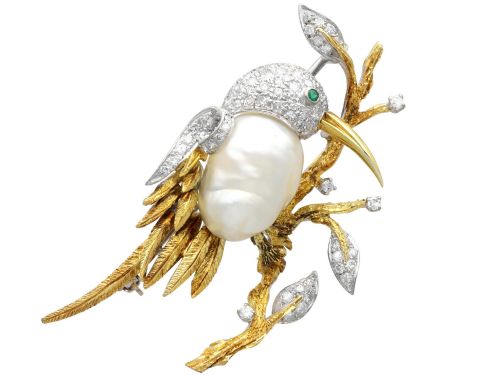
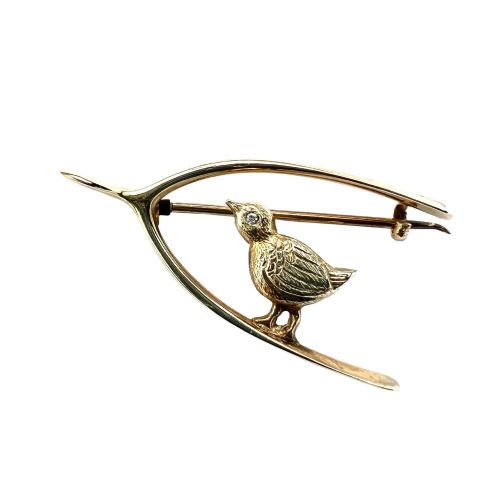
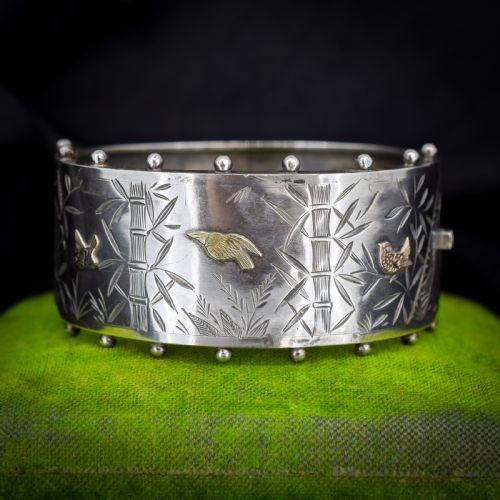
Gold bird jewellery encompasses brooches, pendants, charms, lockets, bracelets, and earrings shaped as swans, pheasants, chicks, swallows, ducks, and doves. These pieces span the Victorian, Edwardian, Art Deco, and mid-century periods, capturing avian forms through miniature sculpture and decorative metalwork.
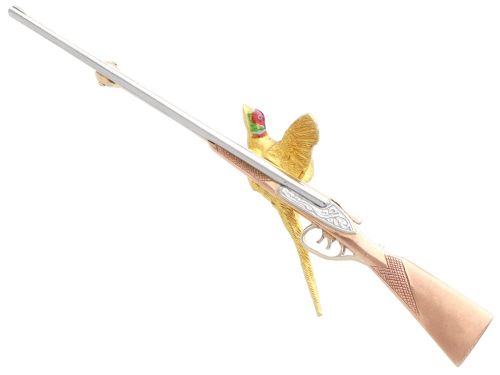
Brooches and pins form the most frequent encounters within these listings, often rendered as swallows or ducks in multi-carat gold. Pendants and charms also appear regularly, depicting pheasants or swans suspended from chains.
The materials paired with gold include diamonds, rubies, emeralds, sapphires, opals, pearls, turquoise, silver, and enamel. Pieces originate from late nineteenth-century workshops as well as twentieth-century studios.
Construction and materials
Gemstones such as rose-cut and brilliant-cut diamonds, rubies, emeralds, and sapphires are flush-set, bezel-set, or claw-set to accent eyes and bodies. Enamel work adds vibrant colour to feathers, while pearls and blister pearls introduce organic lustre.
Gold Bird Jewellery Retail Price Guide 2026
Typical asking prices for gold bird jewellery among the pieces listed under this phrase on Sellingantiques today, from the lower quarter to the upper quarter. They describe what is for sale here now, not the wider market.
Represented bird forms include swallows, ducks, swans, pheasants, chicks, and doves executed across multiple historical eras.
Assessing quality
Quality rests upon the fineness of the metalwork and the precision of the engraving, where crisp feather details distinguish superior miniature sculpture. The integration of gemstones, from calibrated diamonds to matched rubies and natural pearls, elevates a piece.
The reputation of the maker and the preservation of delicate enamel or micro-mosaic work determine distinction. Original clasps, pins, and integrated safety chains further mark the integrity of surviving historical items.
Ben Rosenfeld
The Gold Bird Jewellery Glossary
- Bar brooch
- A narrow pin featuring a central decorative motif such as a swallow or bird. This form was especially popular during the Edwardian period.
- Blister pearl
- An organic gem formed when a pearl attaches to the inside of an oyster shell. These exhibit a hollow dome shape often utilised in bird bodies.
- Micro-mosaic
- Tiny coloured glass tesserae assembled to form intricate pictorial scenes. Italian examples frequently depict doves.
- Rose-cut diamond
- An antique gemstone cut with a flat base and a faceted dome rising to a point. This cut predates modern brilliant facets.
- Charm pendant
- A small decorative figurine suspended from a loop or chain. Pheasants and swans appear frequently in this format.
Gold Bird Jewellery: Frequently Asked Questions
What periods do these pieces come from?
These items originate from the Victorian and Edwardian eras, progressing through Art Deco to mid-century modern design.
Craftsmanship reflects the aesthetic shifts of each decade, from late nineteenth-century naturalism to twentieth-century geometric styling.
How were bird brooches worn historically?
Brooches were pinned to lapels, collars, bodices, and hats as decorative accents during formal and everyday wear.
Many designs incorporate secure pin stems and safety chains to prevent loss during movement.
What gemstones are commonly found in these designs?
Goldsmiths set diamonds, rubies, emeralds, sapphires, and opals into the plumage and eyes of avian figures.
Pearls, blister pearls, turquoise, and coloured enamel also appear frequently to imitate natural feather patterns.
How do I care for antique gold jewellery?
Gentle cleaning with a soft cloth preserves the delicate metalwork, enamel, and micro-mosaic details without causing abrasion.
Professional inspection ensures that gemstone settings and pin mechanisms remain secure over time.