

Gold Bedside Lamp
A gold bedside lamp brings warmth to a dark corner, combining the heavy polish of brass with the glow of period lighting.
Gold Bedside Lamp
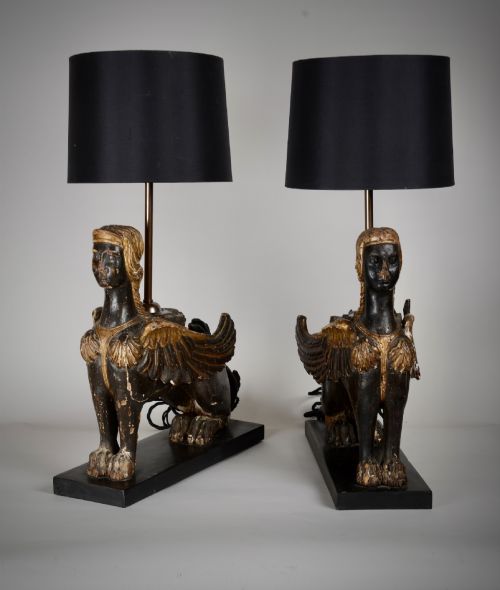
A gold bedside lamp encompasses a range of illuminated decorative objects fashioned from polished metals and gilded woods, designed to sit beside a bed or upon a low table. The selection spans the nineteenth century through the art deco era, pulling from styles like neoclassical, gothic revival, and chinoiserie.
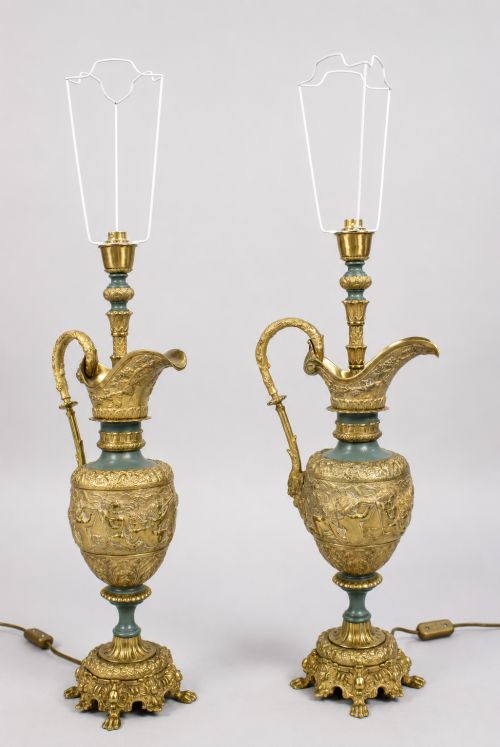
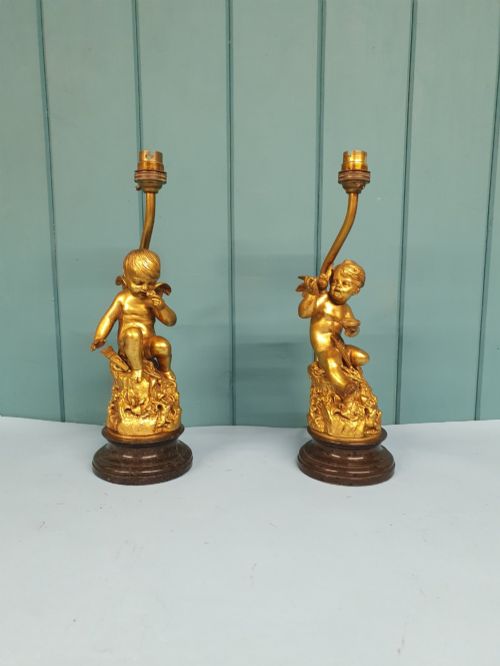
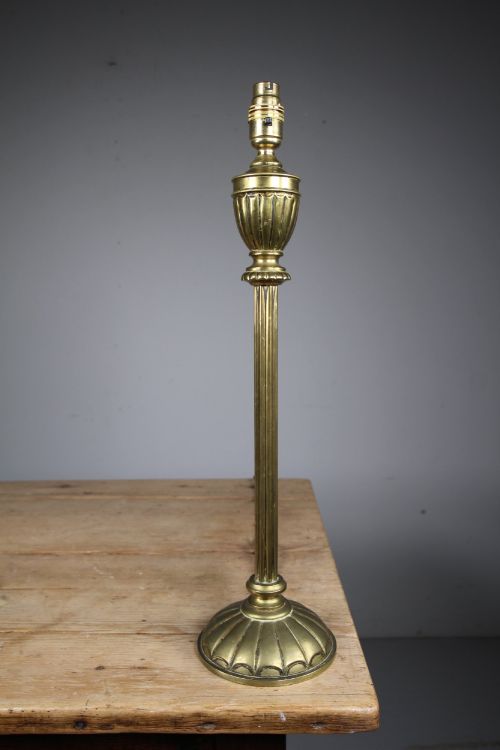
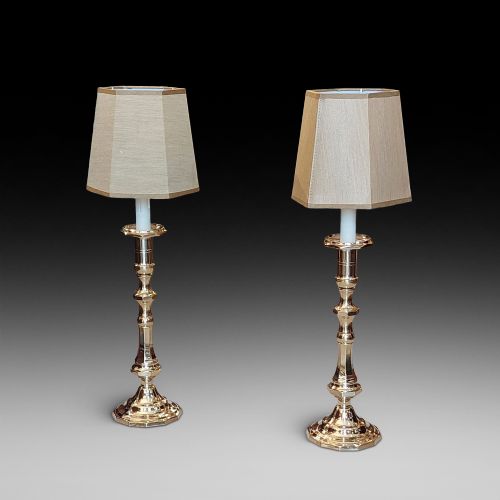
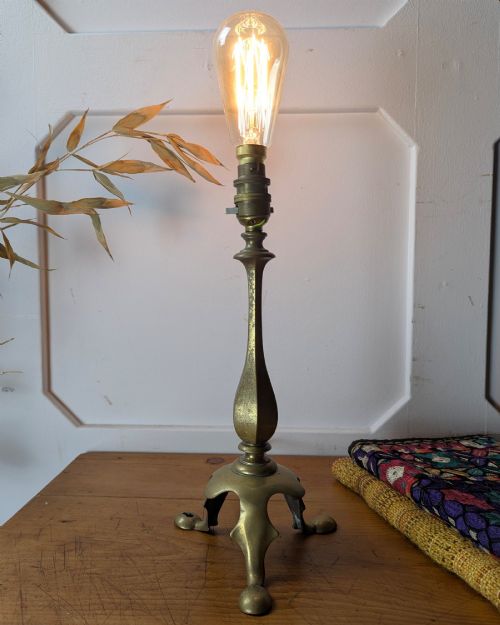
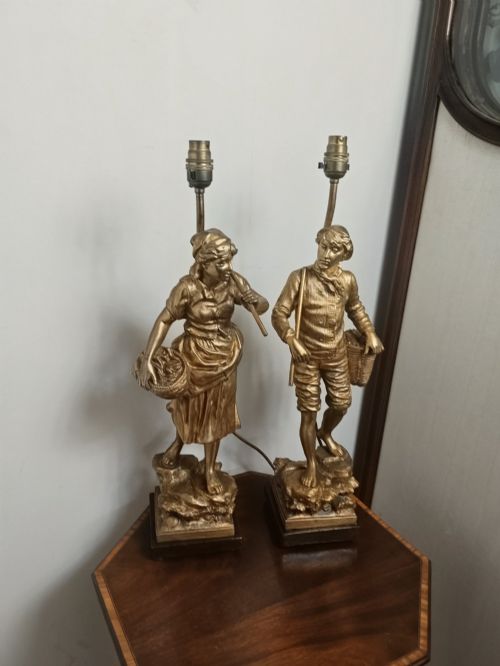
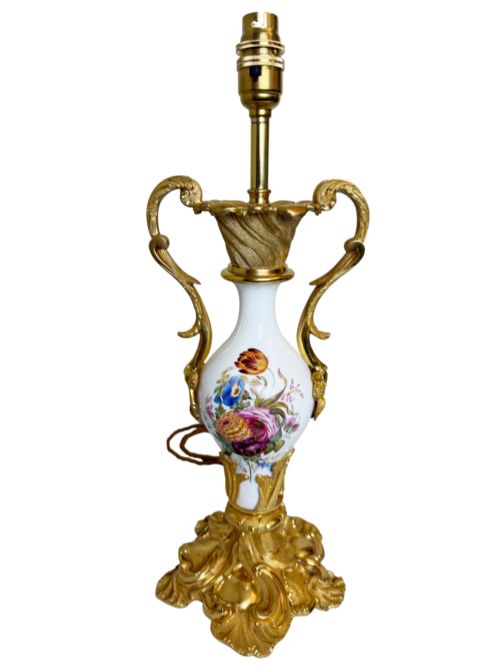
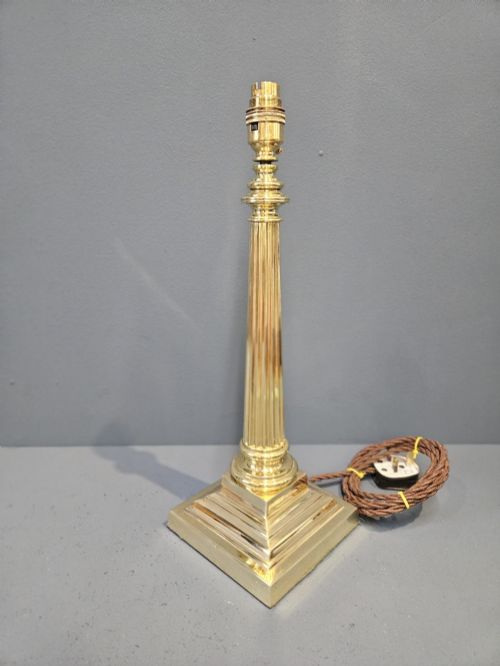
Brass and gilt bronze table lamps dominate the selection, often appearing as converted candlesticks, reeded columns, or figurative ewers. These pieces rely on the inherent shine of yellow metal to catch the ambient light in a bedroom.
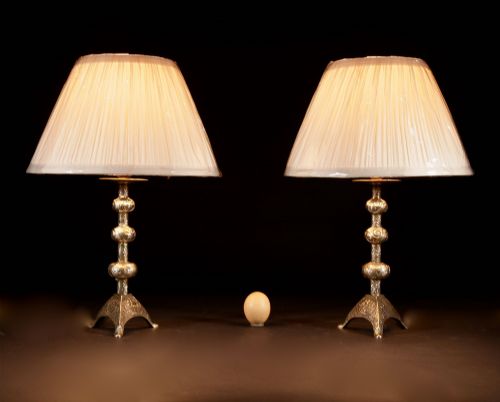
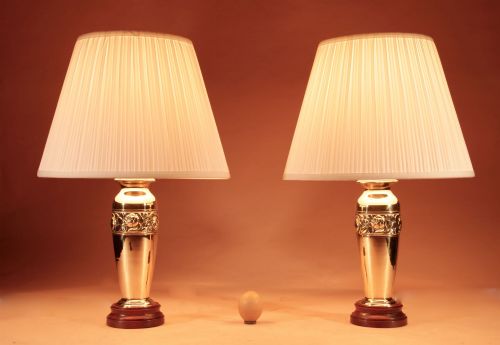
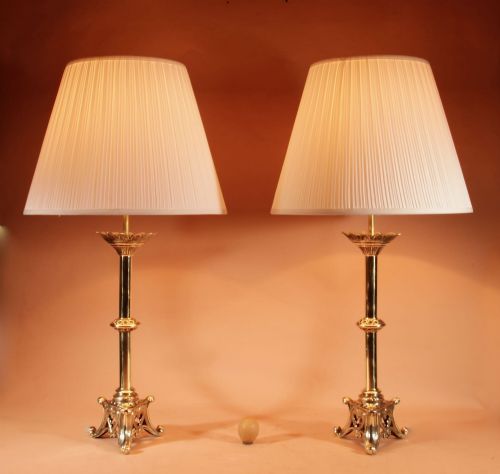
Buyers will encounter both single statement lamps and balanced pairs, with origins stretching from English workshops to French salons. Many items show the adaptation of older candlesticks or vases into functional electric lighting.
Materials and construction
Makers utilised cast brass, gilt bronze, and ormolu to achieve a durable metallic structure, often combining the metalwork with marble bases or crystal elements for added weight. Gilding techniques applied gold leaf or gold wash over wood and metal surfaces to create a lasting reflective finish.
Many items began life as functional candlesticks, oil lamps, or architectural fittings before undergoing later conversion to electricity. Skilled hands shaped timber into barley twists or carved giltwood, while others cast intricate cherubs, eagles, and floral motifs in metal.
Materials span brass, gilt bronze, marble, and carved giltwood, reflecting periods from the early nineteenth century through the art deco era.
Judging the standard
The integrity of the original gilt finish and the harmony of combined materials, such as genuine marble plinths paired with cast bronze mounts, dictate the distinction between standard production and exceptional examples.
E Rousseau·Dugourc
The Gold Bedside Lamp Glossary
- Ormolu
- Gilded bronze, typically produced by applying a mercury and gold amalgam to cast bronze before heating. This French technique yields a rich, matte gold surface found on finer nineteenth-century pieces.
- Ewer
- A large jug with a wide spout, historically used for water but adapted in these listings as the sculptural body of a table lamp. These items often feature classical proportions and decorative handles.
- Baluster
- An architectural column or post with a swelled lower portion, frequently translated into the turned brass stems of table lamps. This shape provides visual stability and weight to the base.
- Giltwood
- Timber coated with a thin layer of gold leaf over a prepared gesso ground. It provides the appearance of solid gold while utilising a lighter wooden core.
- Chinoiserie
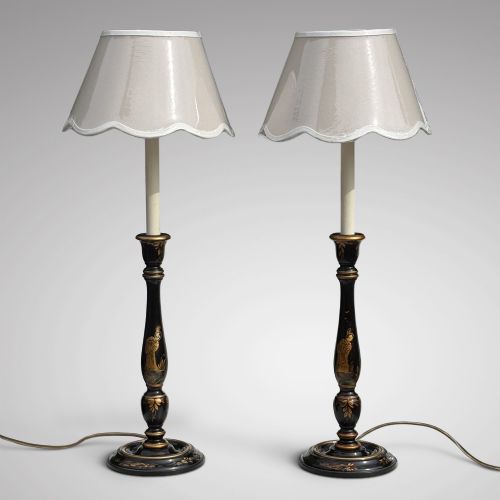
- European decorative style inspired by Chinese artistic traditions, visible in lacquered table lamps featuring oriental motifs. This aesthetic gained popularity across various periods, particularly in the early twentieth century.
Gold Bedside Lamp: Frequently Asked Questions
How do I safely rewire an antique brass lamp?
Rewiring typically requires removing the old internal cord and threading modern wire through the existing metal column. A qualified electrician should handle the internal connections to ensure safety while preserving the original fixtures.
Many period lamps have already undergone conversion from oil or candle use to electricity. Inspecting the current cord and plug helps determine if a modern replacement is necessary for daily use.
Are these lamps heavy enough for a bedside table?
Most pieces incorporate solid brass, cast bronze, or heavy marble bases to provide a stable foundation. This substantial weight prevents the lamp from tipping easily during everyday bedroom use.
Lamps constructed from carved wood or lighter gilt metal may rely on wider bases for balance. Placing them away from active edges ensures secure placement.
How do I clean gilded metal without damage?
Dusting gently with a soft, dry cloth removes surface particles without disturbing delicate gold leaf or patinated bronze. Moisture and harsh chemical cleaners strip the historic finish and should be avoided.
For stubborn grime, a very slightly damp cloth used sparingly is safest. Testing a hidden area first protects the integrity of the original surface.
Can I mix different styles of gold lamps in one room?
Mixing periods, such as pairing a Victorian reeded column with an art deco brass design, adds visual depth to a bedroom interior. Shared metallic tones create a cohesive thread across disparate manufacturing dates.
Matching pairs offer symmetry on dual bedside tables, while singular lamps suit asymmetric layouts. Coordinating shade materials further unifies mixed metal bases.