




Gold Bar Pendant
A gold bar pendant brings together solid metalwork and clean lines, offering a wearable piece of history drawn from various periods.
Gold Bar Pendant
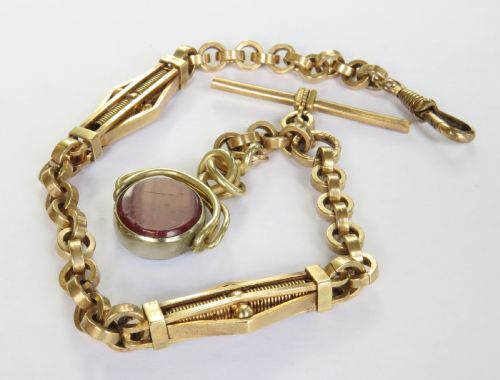
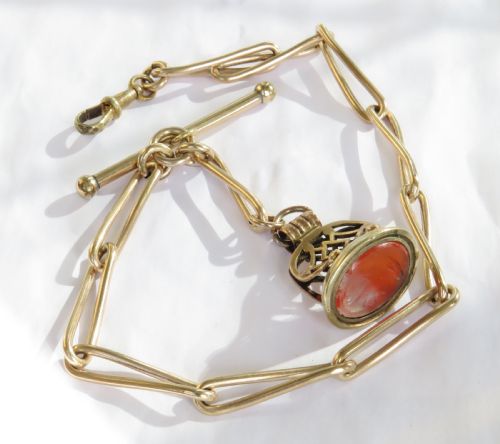
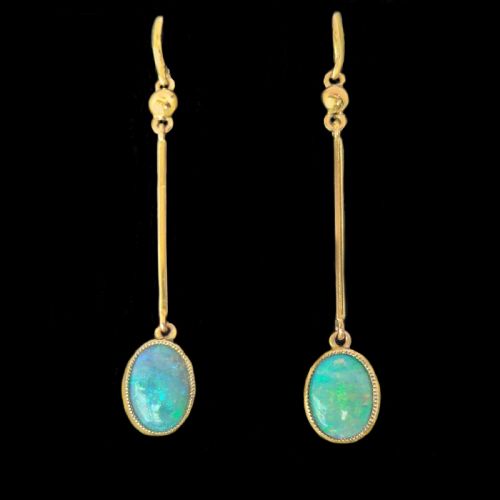
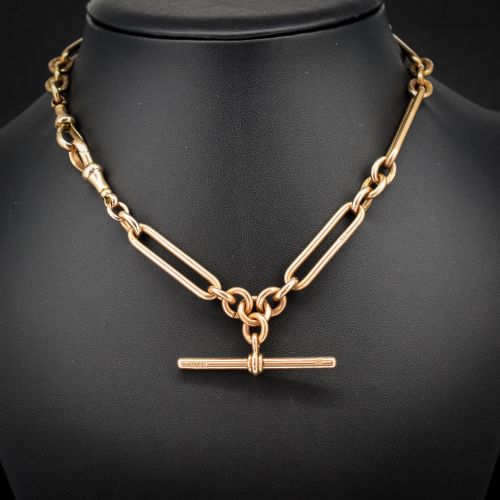
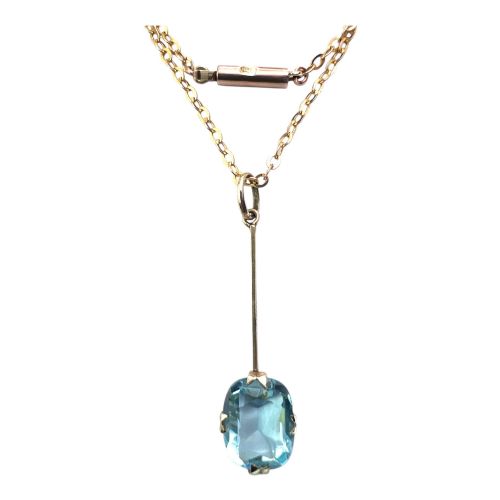
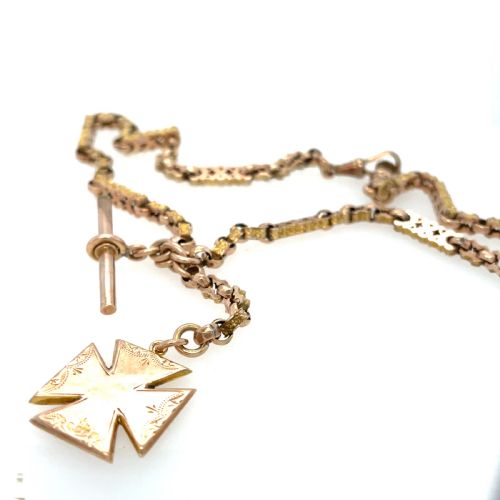
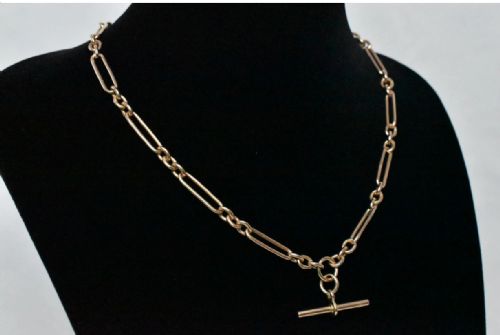
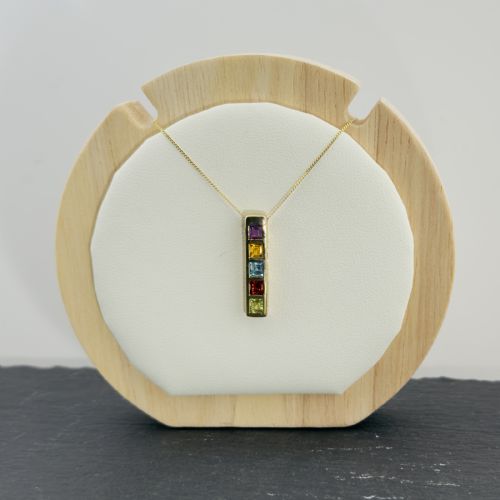
A gold bar pendant takes its form from pocket watch fobs, albert chains, and geometric drop designs spanning the Victorian, Edwardian, and Art Deco periods. Buyers seeking this item generally look for linear metal drops or converted elements such as t-bars and fob pendants that sit centrally on a chain.
The versions most commonly met in the current selection include 9ct gold and 9ct rose gold iterations, often featuring stones like opal, turquoise, and pearl set within the linear structure. These pieces reflect a heritage of practical items repurposed into fine jewellery over the decades.
Evaluating craftsmanship and condition
Quality separates through the crispness of the metal stamping, the solidity of the gold content, and the integrity of any stone settings. Superior examples display clean solder joints, secure bezels or claws holding the gems, and minimal wear to the structural loops.
Pieces that retain their original connectors, such as t-bars and swivels, demonstrate better preservation than those altered later. The weight of the metal and the precision of the linear geometry further distinguish standard production items from finer workshop output.
Listings feature materials spanning 9ct gold, rolled gold, brass, opal, diamond, and carnelian across multiple periods.
Barnet Henry Joseph
The Gold Bar Pendant Glossary
- T-bar
- A transverse bar of metal attached to a watch chain, historically used to secure a pocket watch in a waistcoat pocket. In jewellery conversions, this bar often forms the central decorative drop of a pendant.
- Albert chain
- A heavy watch chain named after Prince Albert, commonly featuring trombone links, curb links, or fancy links. Sections of these chains are frequently adapted into bar pendants.
- Rolled gold
- A material made by fusing a thin sheet of gold to a base metal core, providing the appearance of solid gold at a different weight and cost point. It appears frequently in utilitarian watch chains from the early twentieth century.
- Paste
- Hand-cut glass used to imitate gemstones in historical jewellery. It is set with the same care as precious stones to achieve vibrant colour and brilliance.
Gold Bar Pendant: Frequently Asked Questions
What is a gold bar pendant?
A gold bar pendant is a piece of jewellery featuring a linear bar of gold, often adapted from historical watch chains, fobs, or specifically designed drop necklaces.
They showcase the metalworking styles of eras such as the Victorian and Edwardian periods, combining structured geometric shapes with occasional gemstone accents.
How were t-bars used originally?
Historically, a t-bar served a practical purpose on an albert chain by sliding through a buttonhole to secure a pocket watch safely inside a garment.
Today, these functional bars and their associated fob components are frequently suspended from chains to be worn as distinctive pendants.
Are these pendants made of solid gold?
The material varies across the selection, encompassing solid 9ct yellow and rose gold alongside rolled gold and brass alternatives.
Each listing specifies the metal composition so buyers can identify the exact standard of gold or plated material used in the construction.
How do I style a bar pendant?
These pendants pair well with various chain lengths, resting cleanly against the collarbone due to their horizontal or vertical linear drop shape.
Their understated geometry allows them to be worn alone as a statement piece or layered alongside other antique necklaces.