
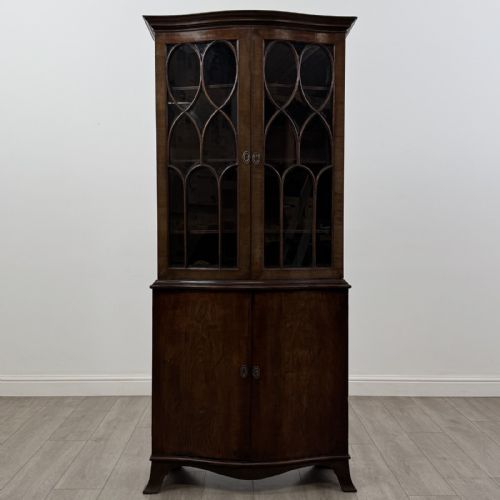
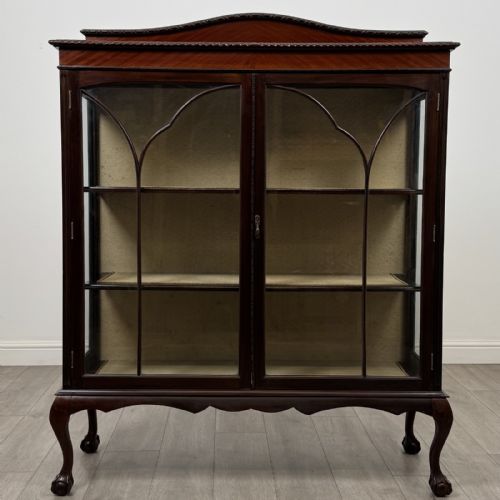
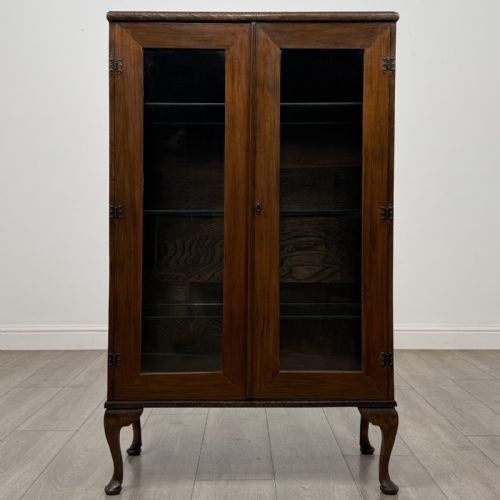
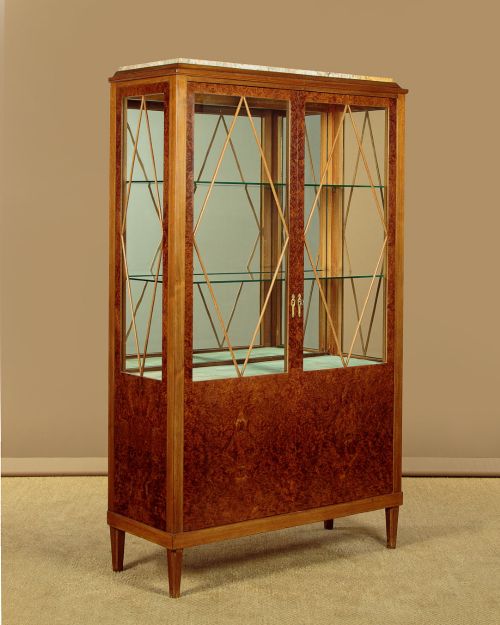
Glazed Wood Vitrine Cabinet
These glazed wood vitrine cabinet pieces display collections behind glass, bringing period craftsmanship and refined storage into domestic rooms.
Glazed Wood Vitrine Cabinet
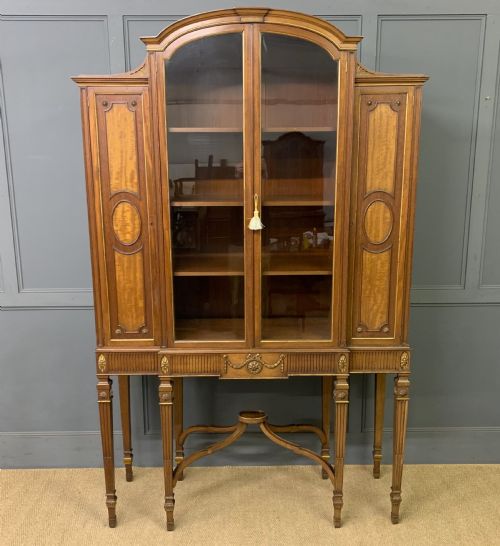
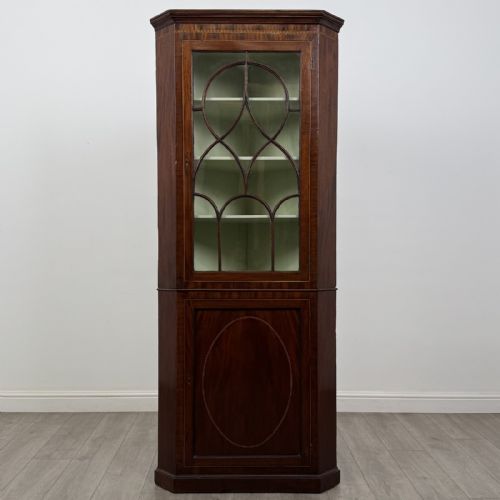
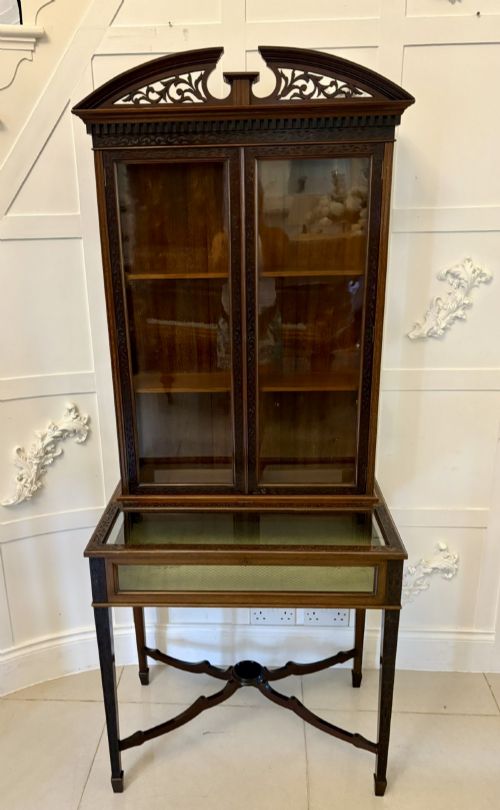
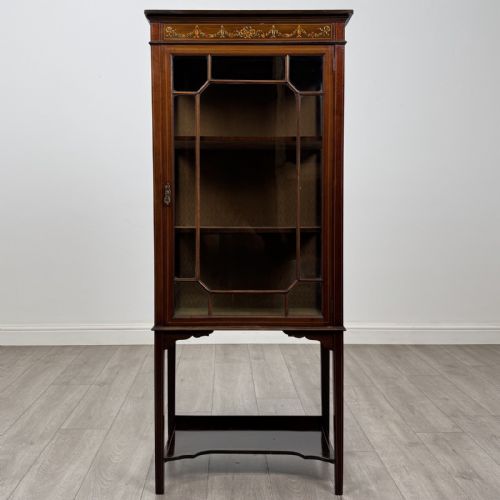
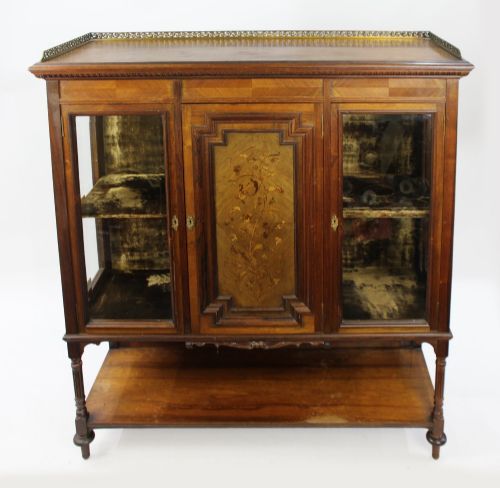
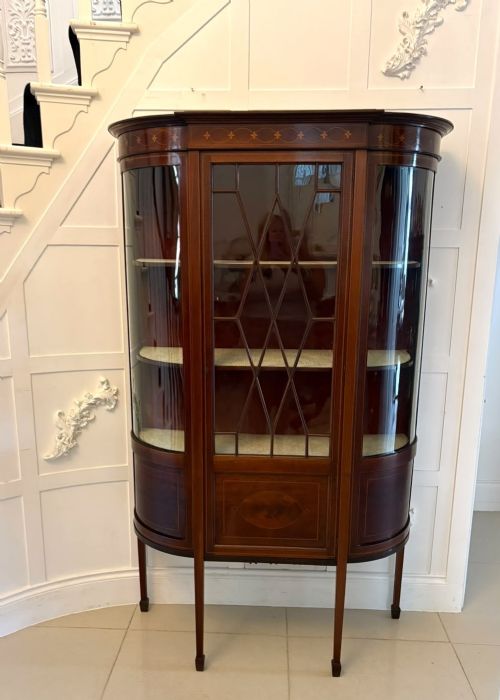
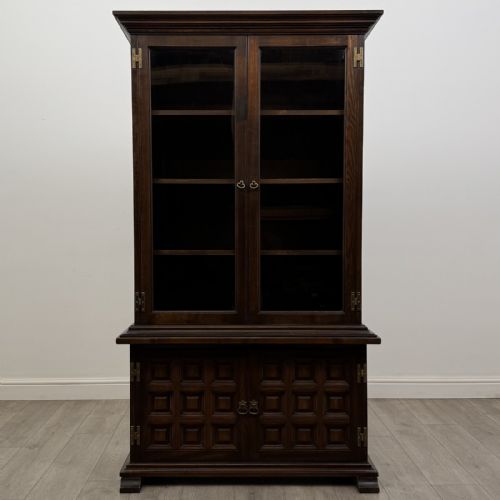
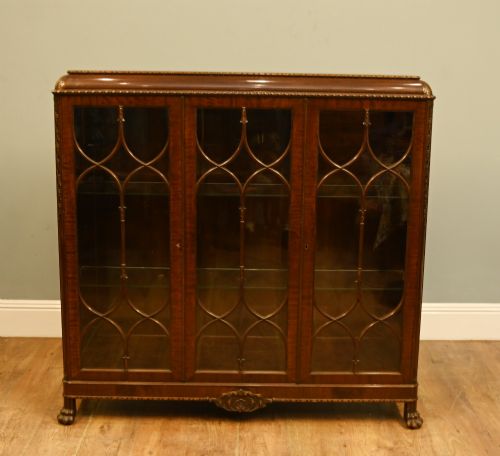
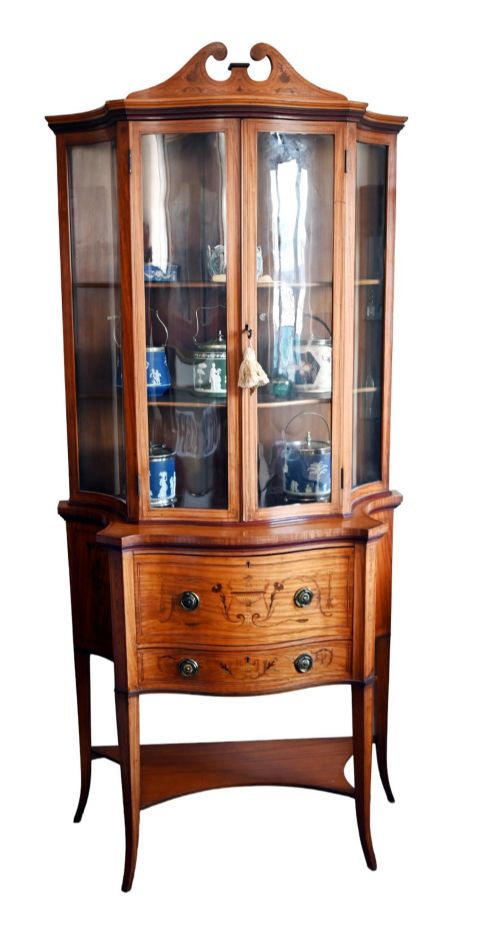
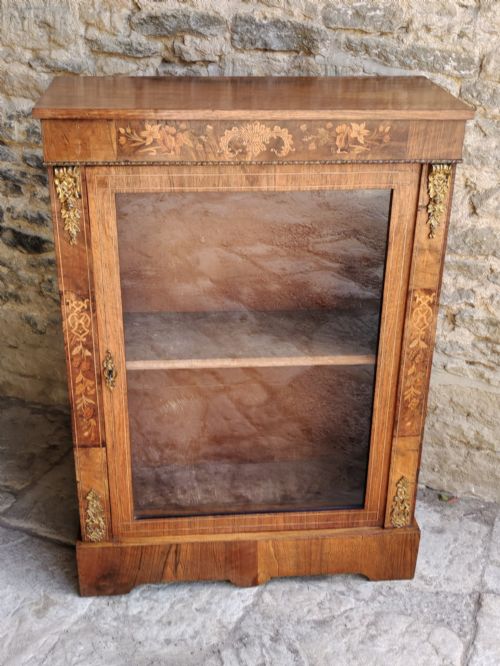
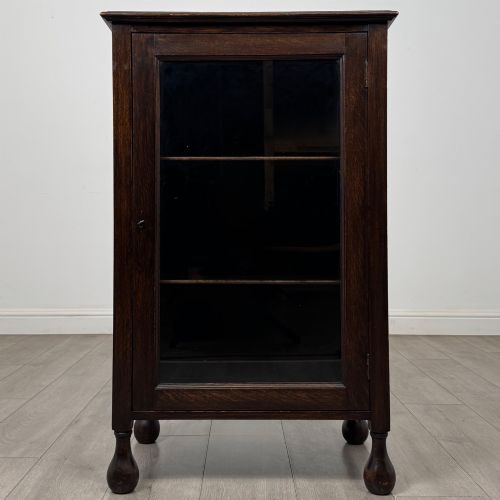
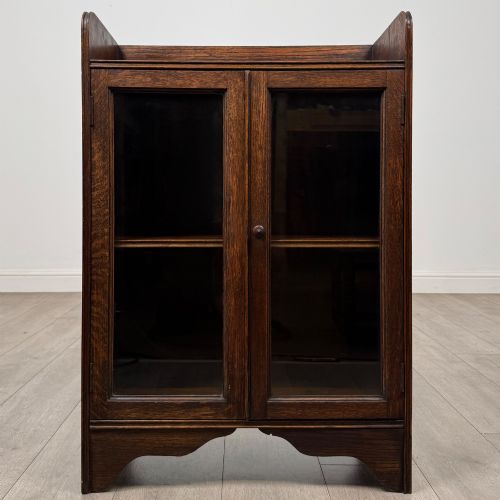
A glazed wood vitrine cabinet serves primarily to exhibit ceramics, books, or small valuables behind glass panels while protecting them from dust. When exploring a glazed wood vitrine cabinet on this page, a buyer encounters forms ranging from tall freestanding bookcases and breakfronts to countertop models, corner units, and low bijouterie display tables.
The material record spans the 18th Century through the Edwardian era, incorporating Georgian, Victorian, and revival styles such as Chippendale and Sheraton. Mahogany, oak, and rosewood dominate the larger upright cases, while satinwood inlay, kingwood, and painted decoration appear frequently on lighter Edwardian and French examples.
Materials and Construction
Makers built these cabinets using solid and veneered timbers over framing, applying mahogany, oak, rosewood, and walnut to sturdy structural carcases. Glass panes were fitted into timber frame doors or bent into curved and bow-front shapes, supported internally by adjustable shelving or fabric-lined display spaces.
Decorative embellishment relied on brass or ormolu mounts, delicate satinwood inlay, marquetry, and painted highlights. Cabinet doors often incorporated mirror backs or intricate astragal glazing bars to enhance the reflection of light through the interior display area.
Listings feature woods including mahogany, oak, rosewood, satinwood, and kingwood, spanning the 18th Century to the Edwardian era.
Craftsmanship and Proportion
Quality rests in the precision of the timber selection, such as figured walnut, matched mahogany grains, and intricate marquetry panels. Superior examples exhibit careful joinery in the glazing bars, well-cast ormolu or brass mounts, and harmonious architectural proportions that balance glass area with solid woodwork.
The standard of execution in decorative details, including hand-painted floral motifs, fine stringing inlay, and original glass panes, distinguishes standard utility furniture from pieces produced by skilled workshops and prominent makers.
Jas Shoolbred·Collinson & Lock
The Glazed Wood Vitrine Cabinet Glossary
- Vitrine
- A glass-fronted cabinet designed specifically for displaying fine objects or collections. The term usually denotes pieces with extensive glazing on the sides as well as the doors.
- Astragal
- A small wooden moulding forming the grid or framework that holds individual panes of glass within a door. These bars dictate the geometric pattern visible across the front of the cabinet.
- Bijouterie
- A low display table or cabinet with a glass top and sides, intended for holding small ornaments, jewellery, or medals. They often feature hinged lids for easy access.
- Marquetry
- The art of applying decorative pieces of veneer to a structure to form intricate pictorial designs or patterns. Common in 18th Century Dutch and later revival pieces.
- Ormolu
- Gilt bronze mounts applied as decorative ornaments to furniture. This technique appears frequently on French-influenced cabinets.
Glazed Wood Vitrine Cabinet: Frequently Asked Questions
What fits inside a glazed wood vitrine cabinet?
These cabinets suit porcelain collections, silver, small sculptures, and bound books. Shelves often adjust to accommodate objects of varying heights.
Glass panels keep dust away from delicate items while allowing light to circulate around the display.
How do I distinguish Edwardian cabinets from Victorian ones?
Victorian models tend to use heavy timbers like dark mahogany and rosewood with deeper carved details. Edwardian pieces often appear lighter in scale, favouring satinwood inlay and painted surfaces.
Revival styles appear across both periods, drawing inspiration from Georgian and Sheraton designs.
Are the glass panes original?
Older glass frequently displays minor surface bubbles, slight waviness, and thickness variations due to historical manufacturing methods. Modern replacement glass tends to be perfectly flat and uniform.
Inspecting the putty or glazing beads can also reveal whether doors retain their original glazing.
Where should I place a corner cabinet?
Corner units make use of unused angles in dining rooms or drawing rooms. Their triangular footprint allows them to fit snugly into room junctions without blocking walkways.
Ensure the floor is level so the glazed doors hang true and close evenly against the frame.