

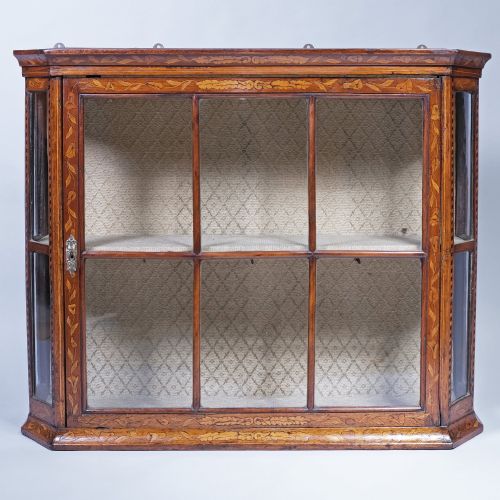
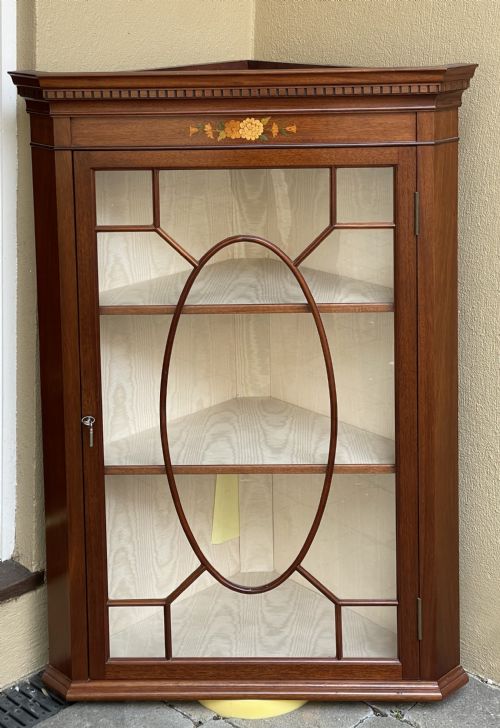


Glazed Wood Hanging Cabinet
A glazed wood hanging cabinet brings together timber and glass to mount upon a wall, holding small treasures safely out of the way.
Glazed Wood Hanging Cabinet
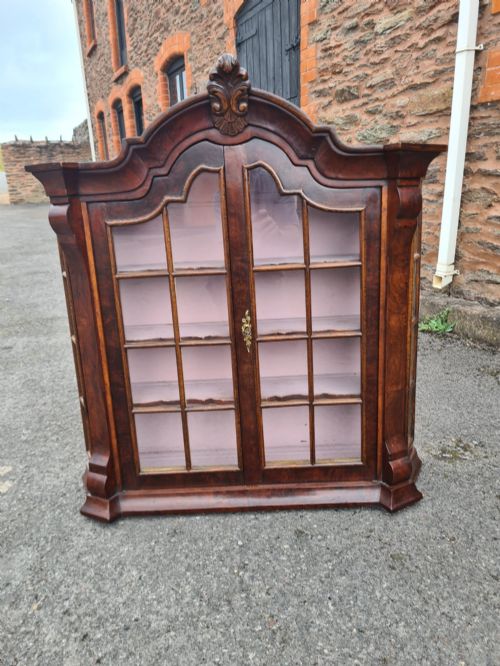
When searching for a glazed wood hanging cabinet, you encounter forms designed to utilise domestic wall space efficiently. The evidence shows these pieces span the Georgian, Victorian, and Edwardian periods, alongside the 18th century, 19th century, and 1900s.
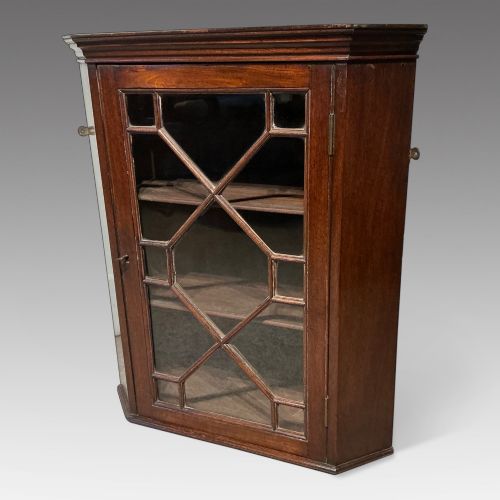
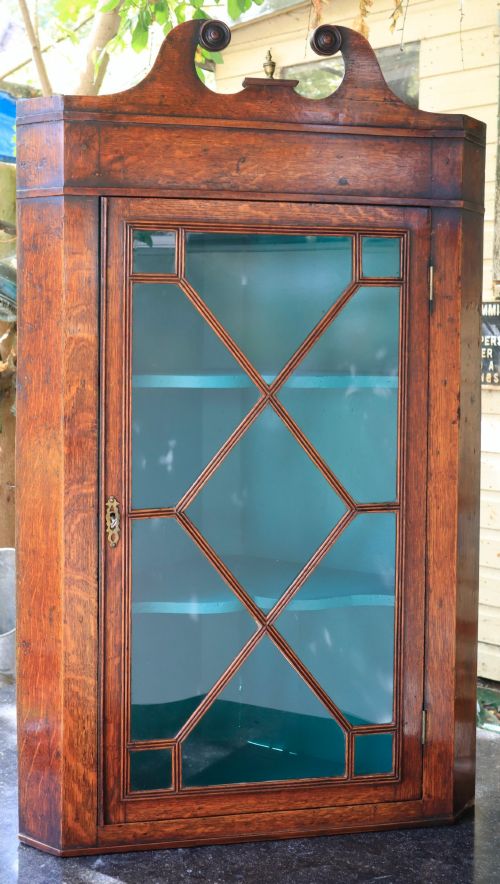
Corner cabinets and wall cupboards dominate the offerings. You meet variations shaped with bow fronts, serpentine outlines, and flat panels designed to fit snug against room junctions or hang flat on a partition.
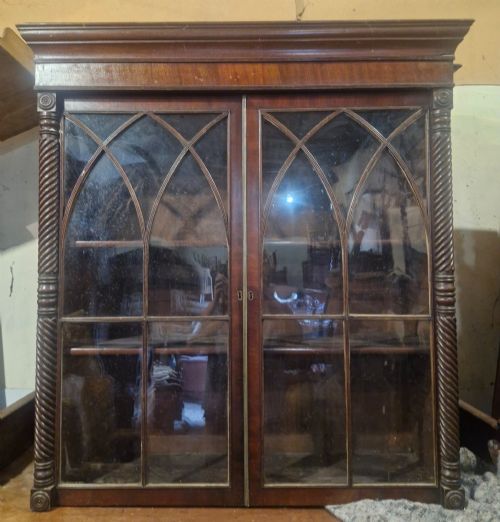
Mahogany and oak appear most frequently as the primary timber. Walnut, yew, satinwood, and stripped pine also feature, often housing glazed doors with glass panes that reveal shelves within.
Materials and construction
Cabinet makers utilised solid timbers and veneers of mahogany, oak, walnut, and rosewood over structural carcases. Brass hinges, escutcheons, and catches secure the doors, while mirrored panels or fabric sometimes line the interior.
Glazing techniques involve timber glazing bars holding individual glass panes within the door frame. Marquetry inlay, stringing, and painted interiors add decorative detail to specific pieces from the Georgian and Victorian eras.
Glazed Wood Hanging Cabinet Retail Price Guide 2026
Typical asking prices for glazed wood hanging cabinet among the pieces listed under this phrase on Sellingantiques today, from the lower quarter to the upper quarter. They describe what is for sale here now, not the wider market.
Listed items span the Georgian, Victorian, Edwardian, and Aesthetic periods.
Distinctions in quality
The choice of timber and the precision of the cabinet work dictate the standing of a piece. Finer examples display well-figured mahogany or walnut grain, crisp marquetry, and balanced proportions.
Construction methods reveal the hand of the maker through tight joints, original brass hardware, and intact glass. Alterations to timber surfaces or replacement glazing panels distinguish later adaptations from pieces preserved in original state.
The Glazed Wood Hanging Cabinet Glossary
- Bow front
- A convex curved cabinet front that projects outward from the corners. This shape appears on several Georgian and Edwardian examples.
- Corner cupboard
- A triangular cabinet designed to fit directly into the corner of a room. These maximise space in smaller apartments.
- Glazing bar
- A narrow wooden strip holding panes of glass within a sash. These form geometric patterns across cabinet doors.
- Marquetry
- Decorative veneer patterns composed of various woods applied to a surface. Dutch makers utilised this technique extensively.
- Serpentine front
- A cabinet front featuring an undulating curve with a convex centre flanked by concave sides. This shape requires advanced woodworking skill.
Glazed Wood Hanging Cabinet: Frequently Asked Questions
How do I hang a wall cabinet safely?
Wall cabinets require secure fixings anchored directly into structural studs or masonry behind the plaster. Because timber cabinets carry substantial weight once filled with glass and contents, professional installation prevents accidents.
Check the internal backboards and hanging brackets of the piece before mounting. Older fixings may need reinforcement to support the load safely over time.
What rooms suit a corner cupboard best?
Dining rooms, hallways, and living spaces accommodate corner cupboards effectively by filling unused angles. These pieces utilise vertical wall space without protruding far into the floor area of a room.
Matching the timber tone to existing furniture helps the cabinet integrate with the room. Georgian and Victorian examples add architectural interest to plain corners.
How do I clean old wood and glass?
Dust timber surfaces gently with a dry, soft cloth to protect the polish and finish. Avoid liquid cleaners that can damage antique polishes or seep into unsealed joints.
Clean glass panes with a mild glass cleaner applied to a cloth rather than sprayed directly onto the door. This prevents moisture from reaching the surrounding wood or fabric linings.
Are these cabinets suitable for display?
Glass doors and internal shelving make these cabinets ideal for exhibiting ceramics, glassware, or small collections. The glazing protects items from dust while keeping them visible.
Some pieces feature mirrored backs that reflect light through the contents. Consider the weight of your collection against the size of the internal shelves before loading.