




Glazed Timber Display Case
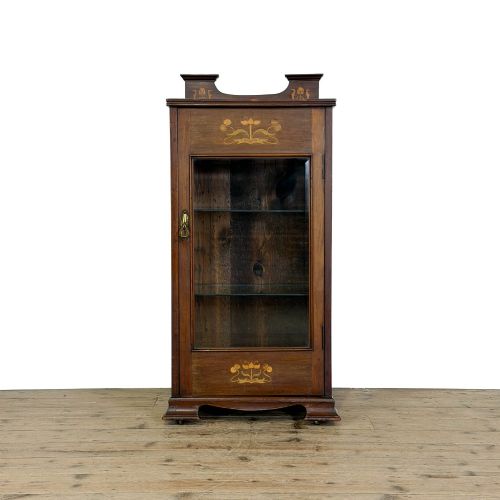
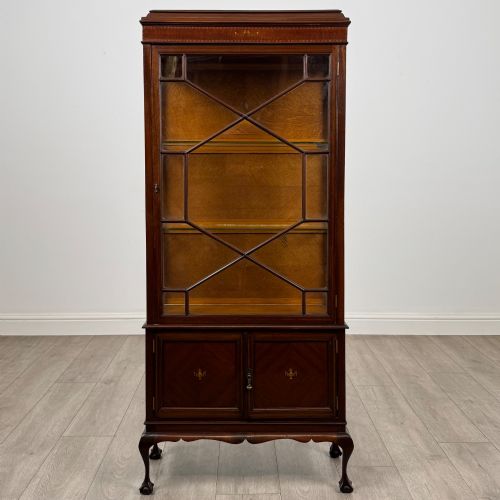
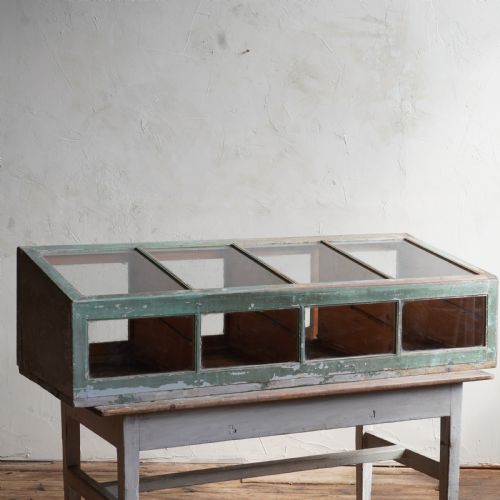
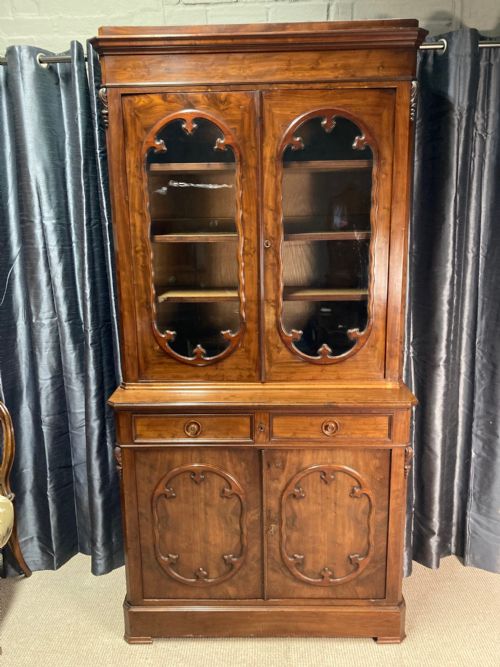
These glazed timber display case examples range from tabletop shop vitrines to tall cabinets, built to hold and protect treasured objects.
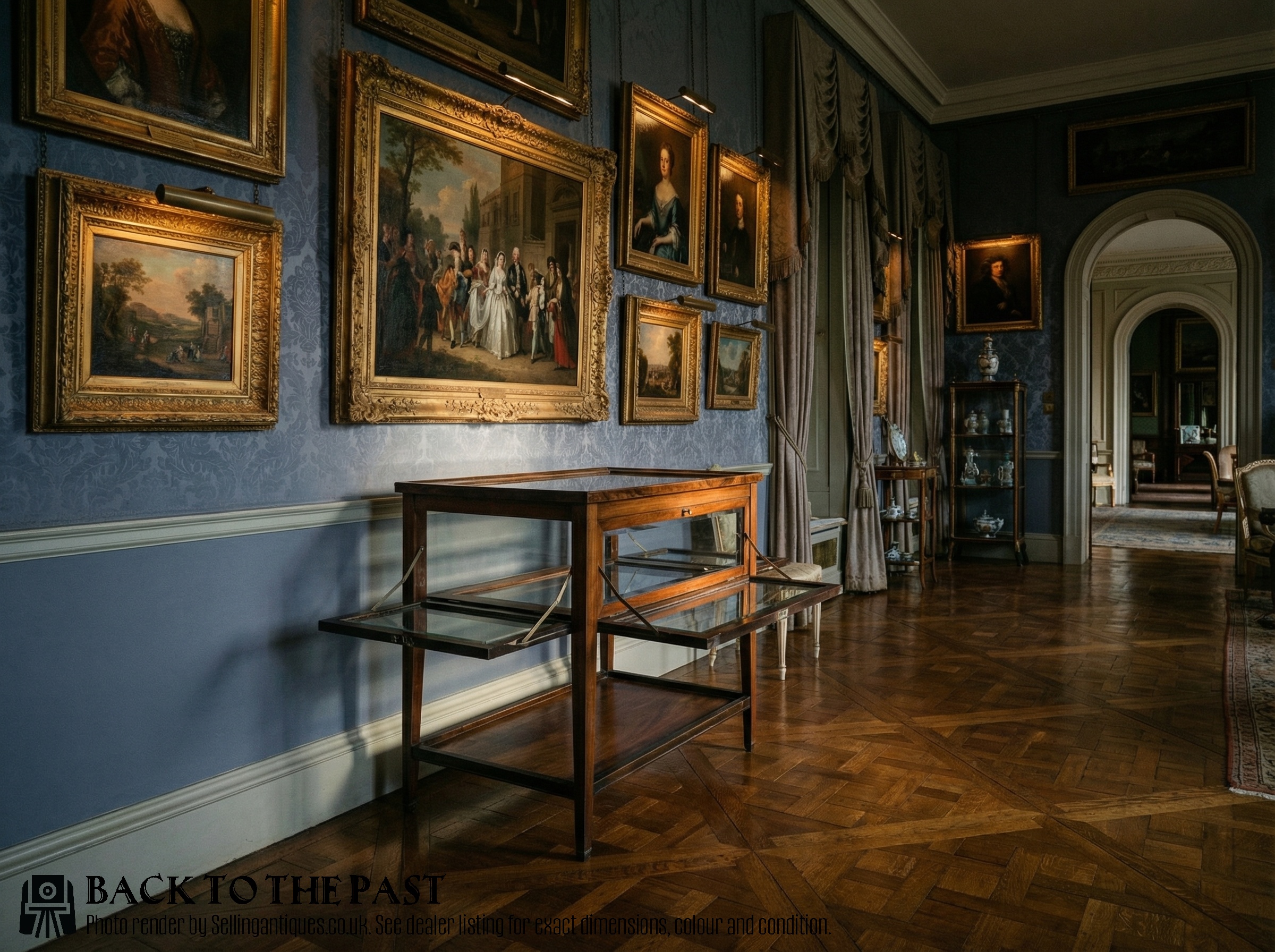
Glazed Timber Display Case
A glazed timber display case serves to exhibit objects while protecting them from dust, drawing from periods such as the Georgian, Victorian, and Edwardian eras. Buyers searching for this phrase encounter various forms including countertop shop cases, corner cupboards, and small wall or floor cabinets.
The materials span mahogany, oak, pine, satinwood, and yew wood, often featuring glass panels and brass fittings. Pieces emerge in styles such as Art Nouveau, rustic industrial, Georgian revival, and nineteenth-century country.
Most examples on offer date from the nineteenth and early twentieth centuries, reflecting the domestic and commercial storage needs of those periods. Formats range from single glazed door bookcases to two-part gun cabinets and painted shop counters.
Construction and materials
Cabinet makers utilised timber frames in mahogany, oak, and pine to build the structural carcase, frequently incorporating wood inlay for decorative effect. Glass panes are fitted into doors and sides to allow light into the interior chamber.
Brass hardware such as hinges, handles, and locks secures the doors and drawers of these cabinets. Some pieces display distressed painted surfaces or carved hardwood details, particularly in Anglo-Indian examples.
Glazed Timber Display Case Retail Price Guide 2026
Typical asking prices for glazed timber display case among the pieces listed under this phrase on Sellingantiques today, from the lower quarter to the upper quarter. They describe what is for sale here now, not the wider market.
One curious two-part cabinet began life holding firearms before finding a second career displaying civilised ornaments.
Judging quality in construction
Quality rests in the selection of timbers like mahogany or satinwood and the precision of the joinery used in the frame. Superior examples demonstrate careful attention to the fit of the glazed doors and the integrity of the wood inlay.
The condition of the original glass and brass fittings distinguishes finer cabinets from heavily altered or restored pieces. Surfaces retain their character when the original paint or polished timber finish remains intact.
The Glazed Timber Display Case Glossary
- Vitrine
- A glass-sided cabinet designed for displaying fine objects or porcelain. This term often applies to refined Victorian and Edwardian examples.
- Carcase
- The main structural body or framework of a piece of furniture before doors and drawers are fitted. It provides the essential support for the glazed panels.
- Inlay
- Decorative pieces of contrasting timber set into the surface of a carcase to create patterns. This technique appears on cabinet doors and cornices.
- Countertop display cabinet
- A small glazed case placed on a shop counter to show goods to customers. These date frequently from the late nineteenth and early twentieth centuries.
Glazed Timber Display Case: Frequently Asked Questions
How do I date a glazed timber display case?
Dating relies on identifying the timber species, construction methods, and stylistic cues such as Art Nouveau curves or Georgian proportions. Secondary woods inside the cabinet often provide further clues to the period of manufacture.
Hardware like brass hinges and locks also assists with dating, as manufacturing techniques shifted noticeably between the nineteenth and twentieth centuries.
What were these cabinets originally used for?
Many of these cases served in homes to display books, ceramics, and curiosities behind protective glass doors. Others were built for retail environments, such as tabletop shop display cabinets meant for merchandise.
Larger formats like two-part gun cabinets fulfilled specialised storage requirements while still offering visibility through glazed sections.
Are these cases suitable for modern homes?
Their compact proportions make them versatile for placing in living rooms, hallways, or studies to hold collections. The glass panels keep dust away from delicate items while maintaining a clear view.
Different styles, from rustic pine to polished mahogany, allow these pieces to integrate into various interior schemes.
How should I care for timber and glass?
Maintain the wood by applying appropriate wax polish sparingly and keeping the cabinet away from direct heat sources. Clean the glass panels gently with standard window cleaner applied to a cloth rather than sprayed directly.
Check brass hinges and locks periodically to ensure they move freely without straining the surrounding timber frame.