



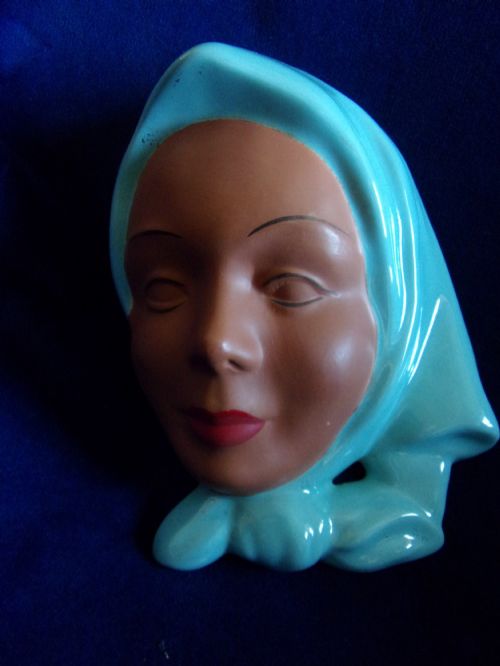


Glazed Terracotta Sculpture
These glazed terracotta sculpture pieces bring tactile warmth and rich colour to a room, ranging from folk art animals to classical figures.
Glazed Terracotta Sculpture
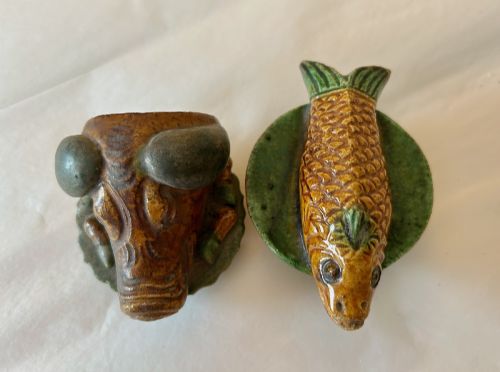
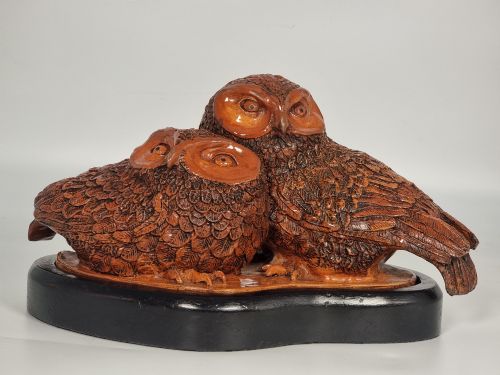
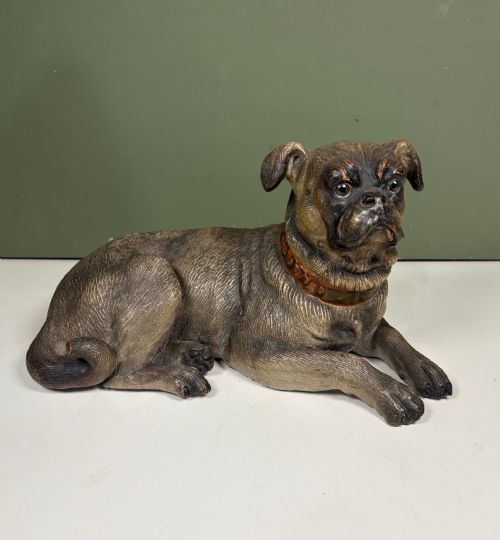
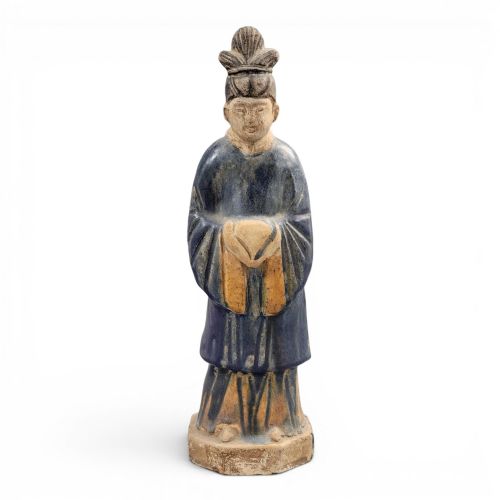
A glazed terracotta sculpture search reveals a diverse assembly of modelled ceramics, spanning animal figures, wall masques, and human subjects. The selection draws together pieces from the Victorian era, the Art Deco period, and Chinese Tang Dynasty styles.
Figurines and decorative ornaments dominate the offerings, often taking the form of lions, dogs, cats, and court attendants. Makers utilise earthenware and pottery bodies coated in lead glaze or sancai glaze to achieve a lustrous finish.
European workshops from England, France, and Austria sit alongside Asian ceramics inspired by earlier imperial dynasties. This mix provides buyers with both rustic folk art and highly finished studio pieces.
How they were made
Potters shape terracotta and earthenware by hand or in moulds before applying lead glazes and enamel colours. The clay bodies undergo kiln firing to fix the form prior to the application of decorative surface layers.
Specialised glazing techniques, such as the multi-coloured sancai palette, create characteristic drips and pooling effects across the surface. Artisans often mount finished figures on ebonised bases or integrate them into architectural elements like wall fountains.
Glazed Terracotta Sculpture Retail Price Guide 2026
Typical asking prices for glazed terracotta sculpture among the pieces listed under this phrase on Sellingantiques today, from the lower quarter to the upper quarter. They describe what is for sale here now, not the wider market.
Materials recorded across the selection include lead glaze, enamel, and ceramic pottery bodies.
What varies in quality
Glaze application and preservation define the finish, with even coverage and rich colouration marking the better examples. The depth of the glaze and the stability of the terracotta body beneath underpin the longevity of the piece.
George Kemper·Thomas Parr·Royal Dux
The Glazed Terracotta Sculpture Glossary
- Terracotta
- A porous fired clay body ranging from orange to brown in colour. It serves as the primary structural material for unglazed and glazed figures alike.
- Sancai
- A three-colour lead glaze tradition originating in China, typically featuring amber, green, and creamy white tones. These glazes run and meld during the firing process to create distinctive patterns.
- Earthenware
- A type of pottery fired at lower temperatures than stoneware or porcelain, remaining porous until glazed. It forms the body for many traditional decorative figures and garden ornaments.
- Lead glaze
- A glossy coating containing lead oxide applied to pottery to seal the porous clay and impart shine. It reacts with metallic oxides in the kiln to produce vibrant hues.
- Wall masque
- A decorative ceramic relief designed for mounting on a wall, often depicting a human face or theatrical mask. These pieces gain popularity during the Art Deco period.
Glazed Terracotta Sculpture: Frequently Asked Questions
Where should I place a glazed terracotta sculpture at home?
These pieces suit mantels, sideboards, and protected garden spaces where their colour and form can catch the light.
Keep them away from areas of high moisture or heavy foot traffic to protect the glaze and clay body.
How do I clean glazed terracotta safely?
Dust the surface gently with a soft, dry cloth to remove everyday particles without disturbing the glaze.
Avoid using water, chemical cleaners, or abrasive materials that might penetrate micro-fissures in the finish.
What is the difference between terracotta and earthenware?
Terracotta is a specific type of unglazed or glazed red earthenware fired at relatively low temperatures.
Earthenware is the broader ceramic category that encompasses terracotta alongside other porous, low-fired pottery bodies.
How can I tell the period of a ceramic figure?
Examine the style of the modelling, the colour palette of the glaze, and any underlying makers marks or stamps.
Art Deco pieces show geometric styling and wall masques, while Victorian examples often feature domestic animals and muted glazes.