



Glazed Stoneware Jar
A glazed stoneware jar brings utilitarian heft and centuries of honest kitchen or cellar utility straight to your pantry.
Glazed Stoneware Jar
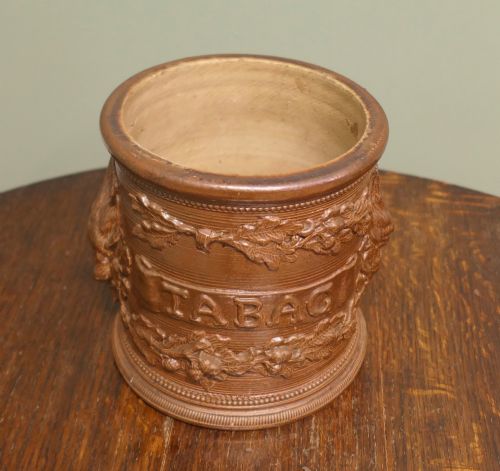
A glazed stoneware jar encompasses heavy-duty storage vessels, salt-glazed flagons, and utilitarian confit pots designed for provisions rather than display. When you search for a glazed stoneware jar, you meet containers originally built to hold liquids, preserves, or dry goods across the centuries. The selection ranges from domestic British salt-glazed flagons and French confit pots to Asian ceramics and studio jars.
The forms span simple storage jars, apothecary vessels, gin barrels, and decorative vases fashioned from dense, impermeable clay. You encounter pieces bearing historical imprints, such as tavern soup jars and London pottery bottles, alongside European salt-glazed vinegar barrels. Each object reflects a history of practical domestic or mercantile service before finding a place in modern interiors.
How they were made
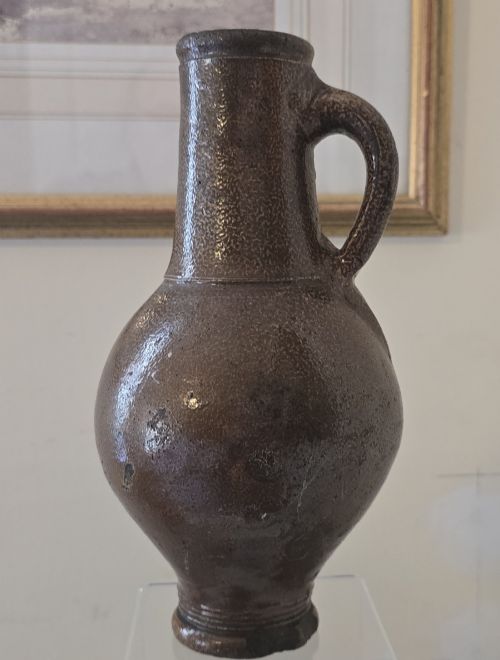
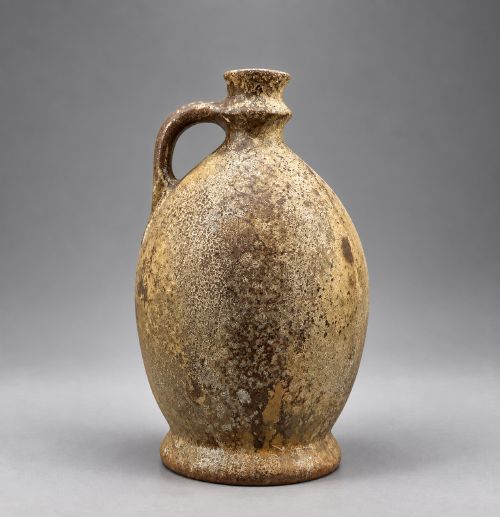
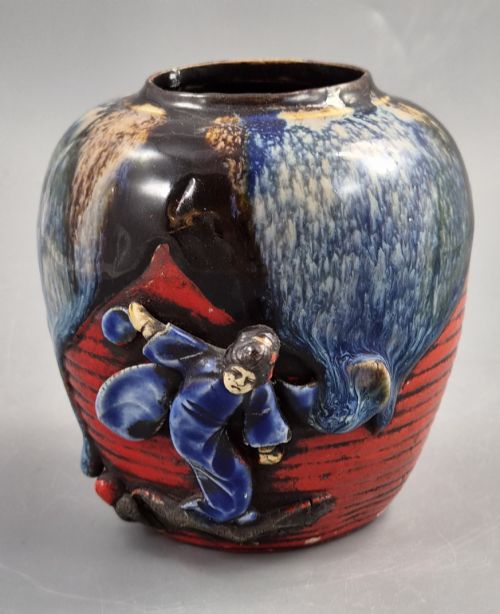
Makers shaped these heavy vessels from dense clay, stoneware, and terracotta on the potter's wheel before applying liquid mineral coatings or salt during firing. The application of salt glaze produces a characteristic orange-peel texture, while other pieces receive green, blue flambé, or tea dust glazes. Firing at high temperatures vitrified the body, rendering the clay impervious to moisture and acids.
Potters utilised salt thrown directly into the kiln fire to create the distinctive pitted glaze on British and French utility wares. Hand-thrown bodies display individual throwing rings and tool marks from the workshop bench, grounding each vessel in traditional manual craftsmanship.
Glazed Stoneware Jar Retail Price Guide 2026
Typical asking prices for glazed stoneware jar among the pieces listed under this phrase on Sellingantiques today, from the lower quarter to the upper quarter. They describe what is for sale here now, not the wider market.
Several antique storage jars once contained turtle soup or strong gin, proving that historical ancestors enjoyed hearty meals and stiff drinks just as much.
What varies in quality
Quality rests in the crispness of the thrown form, the depth and stability of the vitreous glaze, and the preservation of original factory markings or maker stamps. A well-potted vessel maintains structural symmetry and even wall thickness despite the heavy density of the material.
Superior examples exhibit deliberate surface character, such as an even salt-glaze finish or carefully controlled flambé effects, rather than accidental kiln distortion. The clarity of incised lettering, applied medallions, or hand-painted details separates standard workshop output from exceptional studio or factory pieces.
John Dwight Fulham Pottery·Makuzu Kozan II·Royal Doulton
The Glazed Stoneware Jar Glossary
- Salt glaze
- A glassy, pitted texture formed by throwing common salt into the kiln during high-temperature firing. This technique creates an impermeable finish resembling orange peel.
- Confit pot
- A utilitarian French earthenware or terracotta jar featuring a glazed upper section, traditionally used for preserving meats and fats in cellars.
- Flagon
- A large ceramic vessel with a handle and narrow neck designed for holding liquids such as wine, beer, or vinegar.
- Celadon
- A pale green jade-like glaze originating in East Asia, prized for its subtle tonal depth over stoneware bodies.
- Bartmann jug
- A German stoneware bottle featuring a moulded bearded mask on the neck, produced extensively during the sixteenth and seventeenth centuries.
Glazed Stoneware Jar: Frequently Asked Questions
What were glazed stoneware jars used for?
These robust vessels served primarily for the bulk storage and preservation of foodstuffs, liquids, and household provisions. Merchants and households relied on their impermeable walls to store vinegar, spirits, salted meats, and dry goods safely away from moisture and pests.
Over time, many utilitarian containers transitioned from pantries and cellars into decorative domestic settings. Their durable construction made them ideal for long-term containment in pre-industrial kitchens.
How do I identify a salt-glazed jar?
Look closely at the surface texture for a characteristic finish that resembles the skin of an orange, created when salt vaporises inside a hot kiln. This chemical reaction fuses with the clay body to form a durable, glassy coating.
Salt glazing leaves the body vitrified and tough, often showing subtle tonal variations where the vapour settled unevenly during the firing process.
Are French confit pots waterproof?
Most French confit pots feature a glaze applied only to the upper interior and rim, leaving the lower terracotta or earthenware body porous. This traditional method suited their original purpose of storing preserved foods in cool cellars.
Because the unglazed lower sections can absorb moisture, placing a protective liner inside is recommended if you intend to use them for fresh flowers or water.
How should I clean an antique stoneware jar?
Wash the vessel gently using warm water and a mild, non-abrasive soap to remove surface dust without disturbing the historic patina. Avoid harsh chemical cleaners or stiff wire brushes that can scratch the glaze or erode the underlying clay.
Allow the jar to dry thoroughly in a well-ventilated space, particularly if the base incorporates unglazed porous earthenware that retains moisture.