
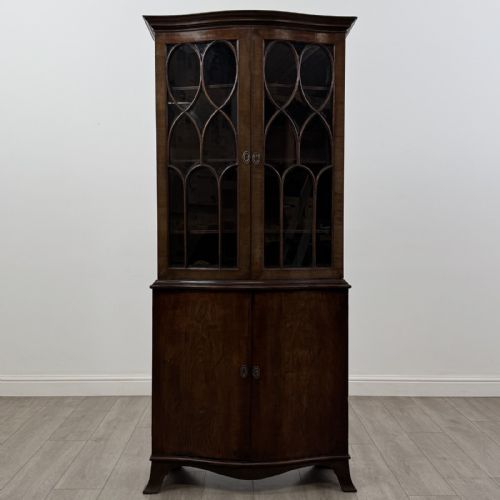
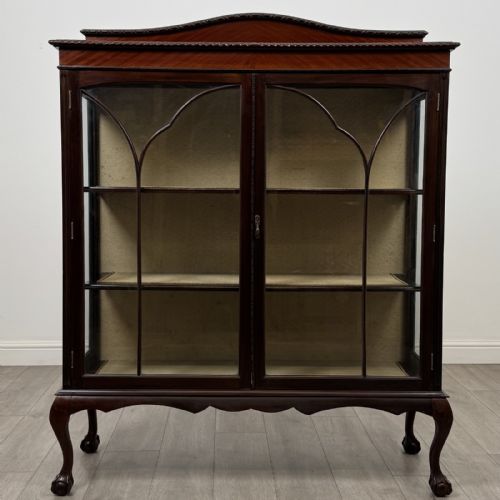
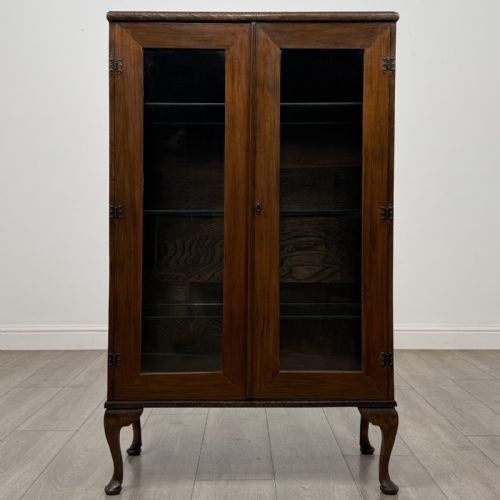
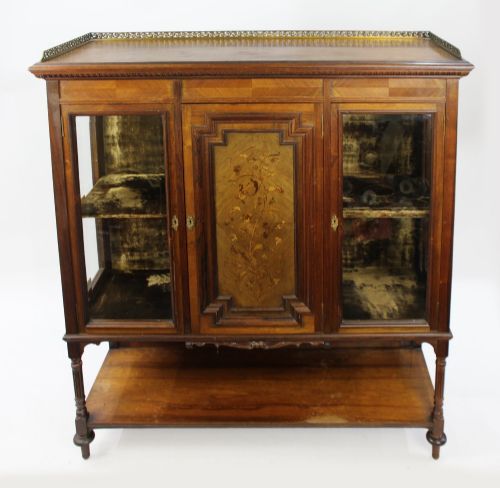
Glazed Standing Vitrine
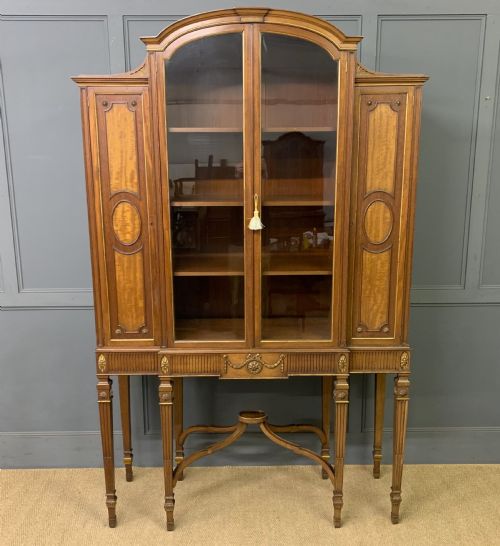
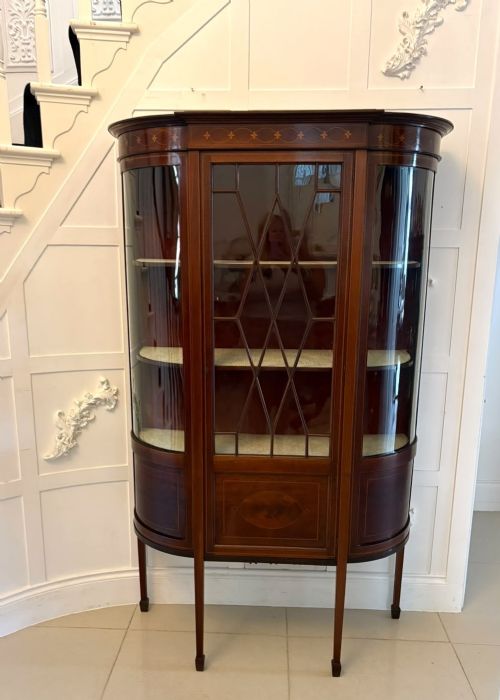
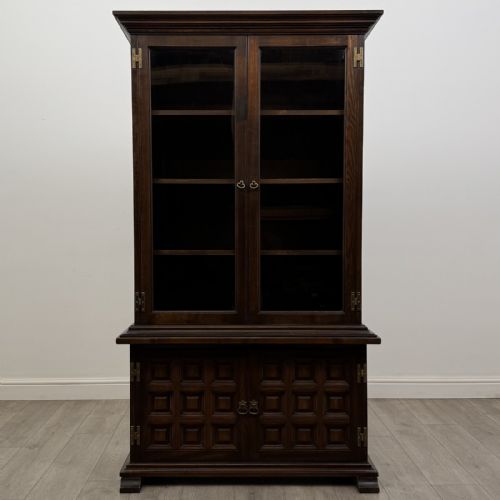
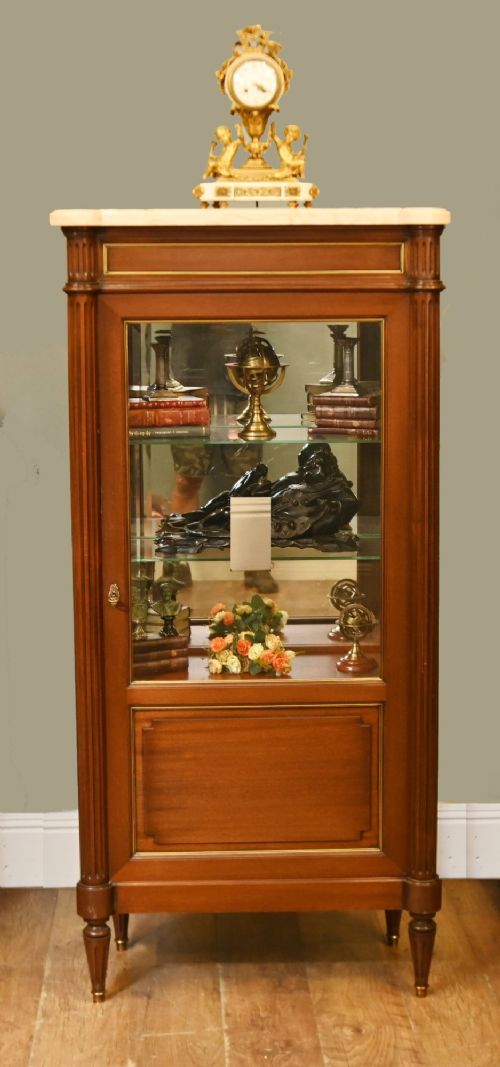
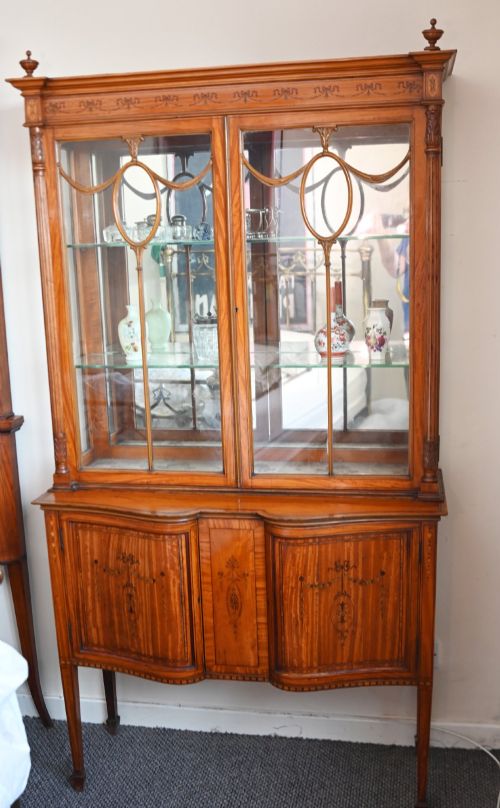
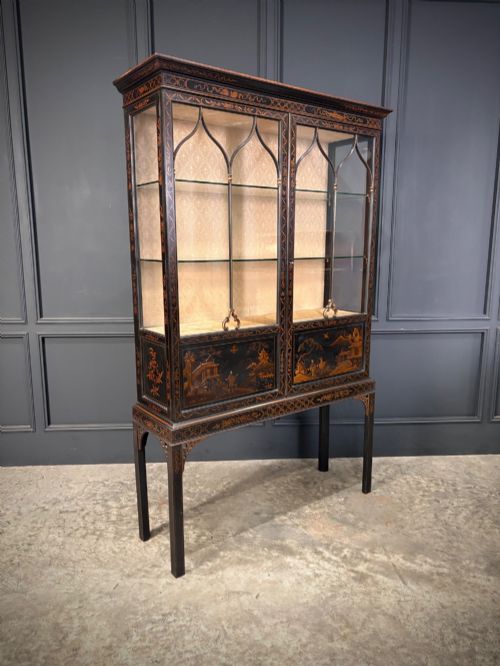
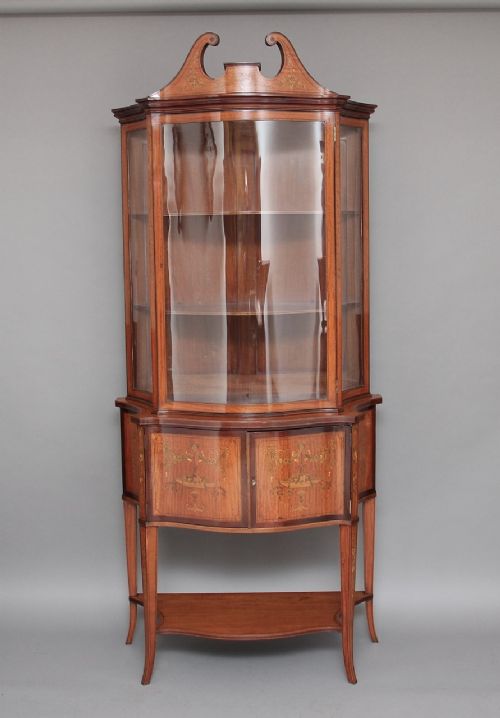
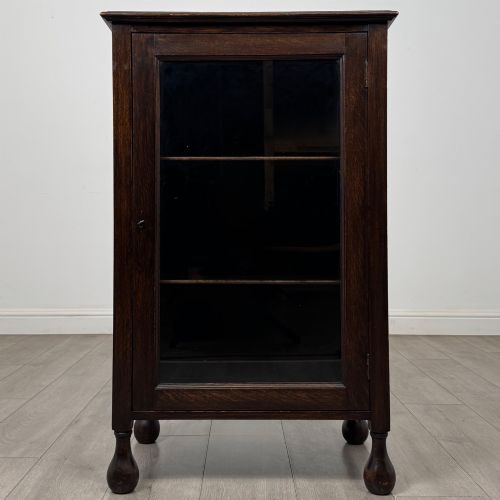
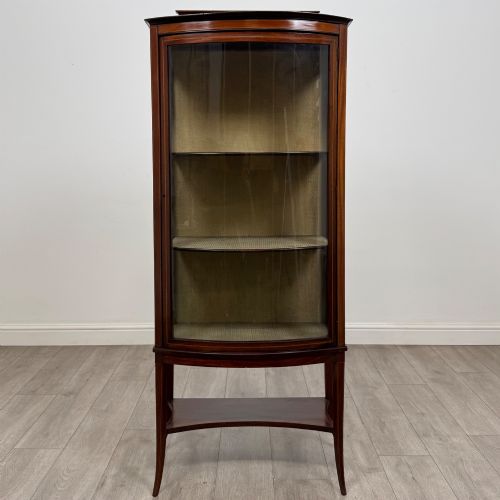
A glazed standing vitrine is a tall cabinet designed to display precious objects, combining transparent panels with timber framing for interior visibility.
Glazed Standing Vitrine
A glazed standing vitrine sits upright on the floor to present collections behind glass doors and panels, serving as both storage and prominent room furniture. The selection draws primarily from Edwardian, Victorian, and Georgian periods, alongside pieces spanning the nineteenth and early twentieth centuries.
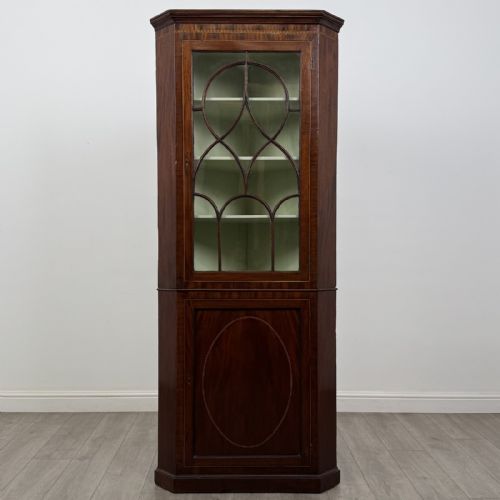
Most examples take the form of display cabinets, corner cabinets, or bookcase variants designed to fit upright against walls or in room angles. Stylistic treatments range from straightforward Georgian and Victorian utility to Sheraton Revival, Art Deco, and Chinese Chippendale influences.
Makers and workshops working in mahogany, oak, walnut, and satinwood produced these standing cabinets to meet domestic demands for display space. The physical scale varies from compact pedestal formats to large breakfront cabinets built for substantial rooms.
How they were made
Cabinet makers utilised structural timbers such as mahogany, oak, walnut, rosewood, and pine to construct the main carcass, often applying satinwood inlay or original painted decoration for surface interest. Brass hardware secures doors and hinges, whilst internal fabric linings sometimes cushion displayed items.
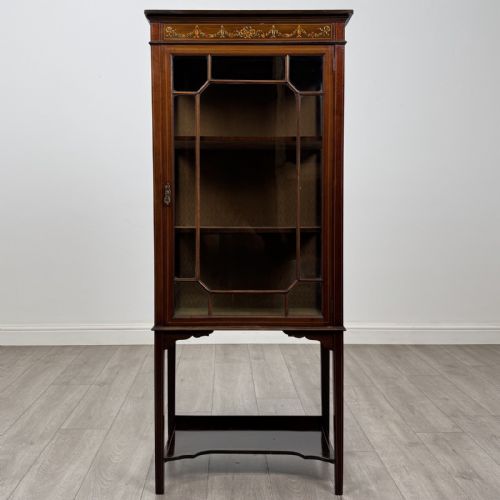
Glass panels are integrated into wooden frames using techniques like astragal glazing to divide panes, or set into larger single doors depending on the period style. Back panels frequently incorporate mirrors to reflect light through the interior shelving.
Design influences span Georgian Revival, Art Deco, Chinoiserie, and Gothic styles within the standing cabinet selection.
What varies in quality
The refinement of timber selection and the precision of inlaid details separate standard domestic items from pieces of higher ambition. Figured veneers, delicate astragal bars, and hand-carved ornamentation demonstrate superior workshop standards.
Structural integrity relies on the original joining of the glazed doors and the stability of the standing base or bracket feet. Cabinets retaining original glass, painted decoration, and branded maker attribution command greater attention from collectors.
Collinson & Lock·Maple & Co.
The Glazed Standing Vitrine Glossary
- Vitrine
- A glass-fronted cabinet designed specifically for the display of objects and curiosities. These freestanding pieces rely on transparent sides and doors to illuminate interior contents.
- Astragal
- A moulding profile used to hold glass panes within a sash, often forming a lattice or geometric pattern across the door. Fine astragal bars define better cabinetwork.
- Breakfront
- A cabinet design where the central section projects forward from the flanking wings. This architectural arrangement adds depth and visual interest to larger standing furniture.
- Bijouterie cabinet
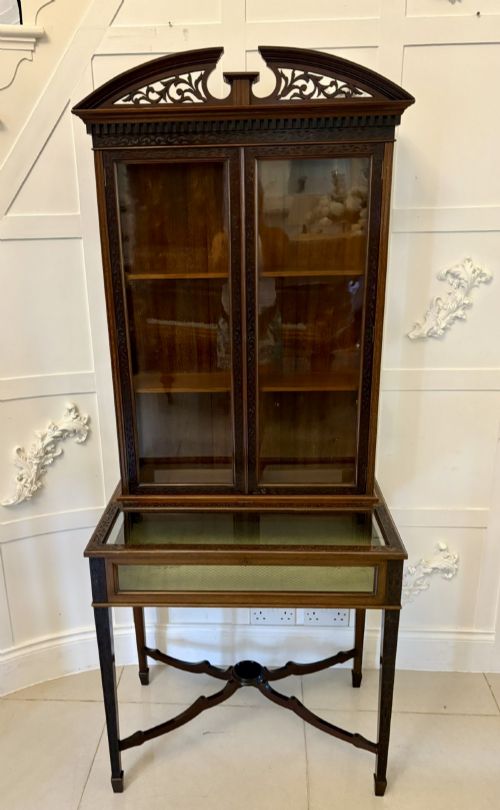
- A glazed display case, often with a glass top, intended for small precious items and jewellery. They raise objects closer to eye level for detailed inspection.
Glazed Standing Vitrine: Frequently Asked Questions
What fits inside a glazed standing vitrine?
These cabinets suit porcelain, glassware, books, and small collectables that benefit from dust-free enclosure and clear visibility. Interior wooden or glass shelves support the arrangement of objects at various heights.
Larger floor-standing versions accommodate broader decorative collections, whilst corner formats utilise awkward angles in domestic rooms without losing valuable floor space.
How do I distinguish Edwardian from Victorian cabinets?
Victorian cabinets often feature heavier carved mahogany, rosewood, or satinwood with darker finishes and substantial proportions. They reflect nineteenth-century preferences for dense decoration and rich timber grains.
Edwardian pieces tend to display lighter satinwood inlay, Sheraton Revival influences, and airier proportions dating around nineteen hundred. The framing becomes less bulky, favouring bright mahogany and delicate stringing.
Where should I place a standing vitrine?
Position the cabinet away from direct sunlight to protect interior items and sensitive wood finishes from fading. Adequate clearance is necessary for opening glass doors safely without obstruction.
Placement against a stable interior wall ensures the upright frame remains level, supporting the weight of the glass and stored objects correctly.
What is a corner cabinet on stand?
This variant combines a triangular upper glazed cupboard designed for room corners with an elevated base or legs. The raised stand creates a lighter visual footprint than floor-to-ceiling corner units.
Such pieces utilise neglected room angles while offering glass-fronted display space elevated above skirting board level.