
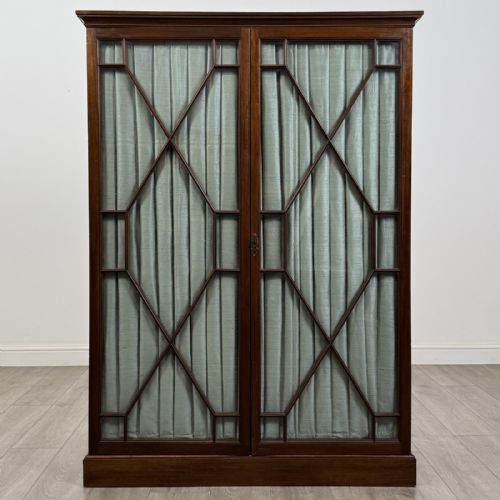
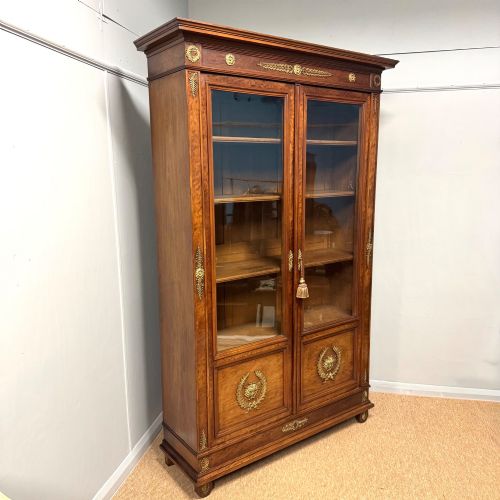
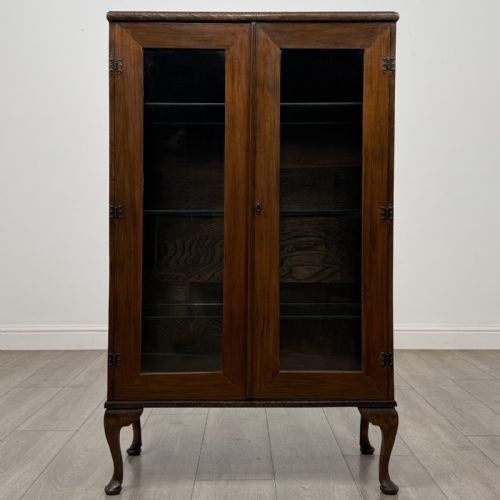
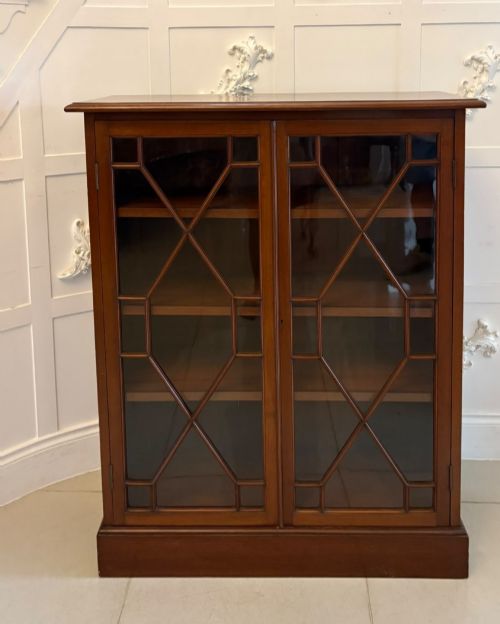
Glazed Glass Door Bookcase
A glazed glass door bookcase holds volumes behind protective panes, bringing order and visibility to a room.
Glazed Glass Door Bookcase
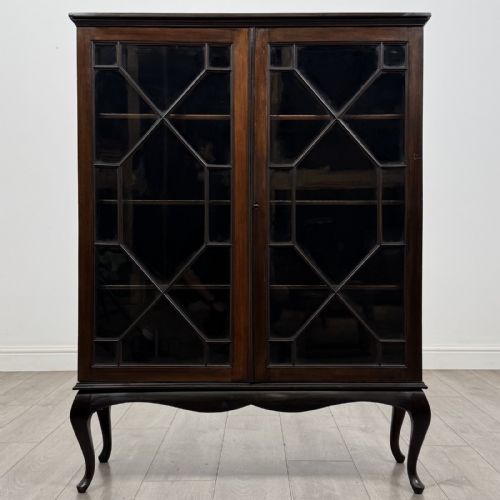
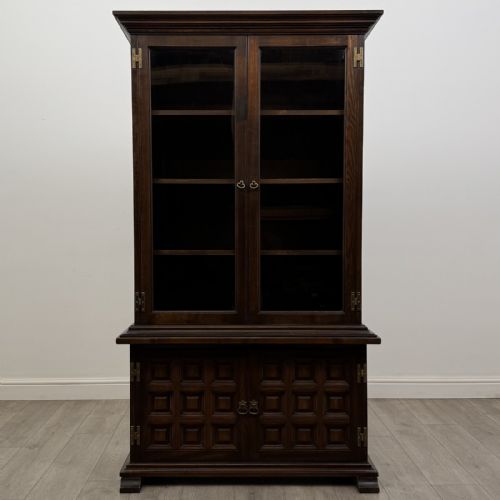
A glazed glass door bookcase provides enclosed shelving for storage while keeping the contents visible. Pieces matching this description appear across the nineteenth and twentieth centuries, spanning Victorian, Edwardian, and Regency periods.
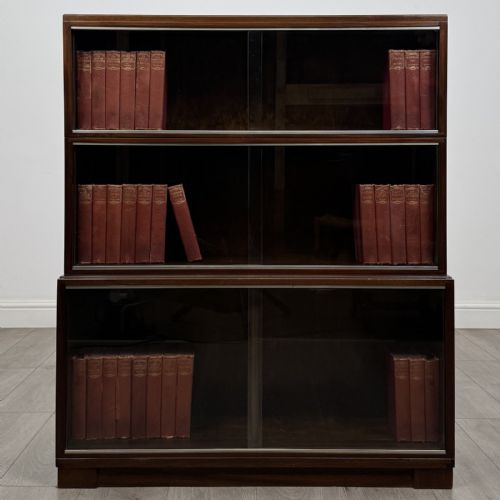
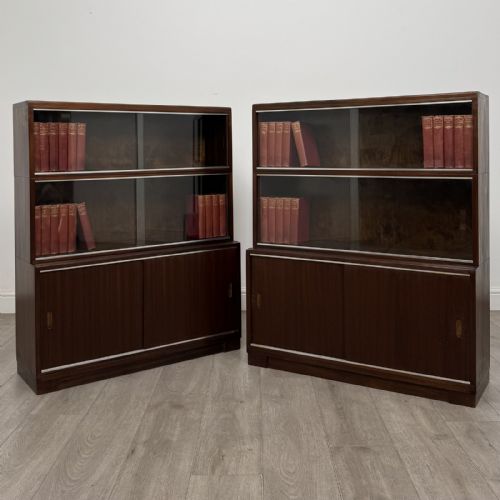
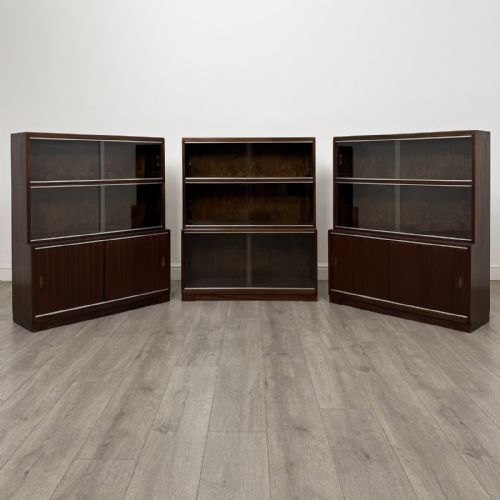
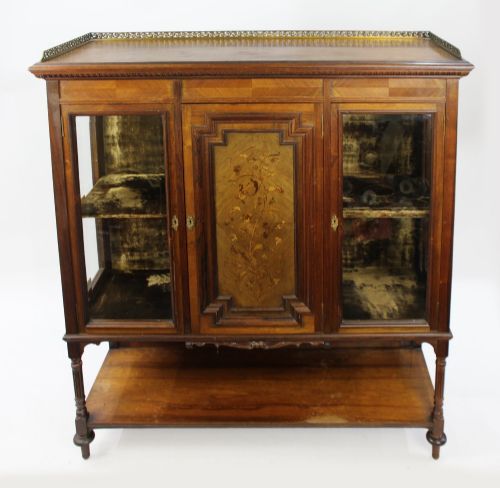
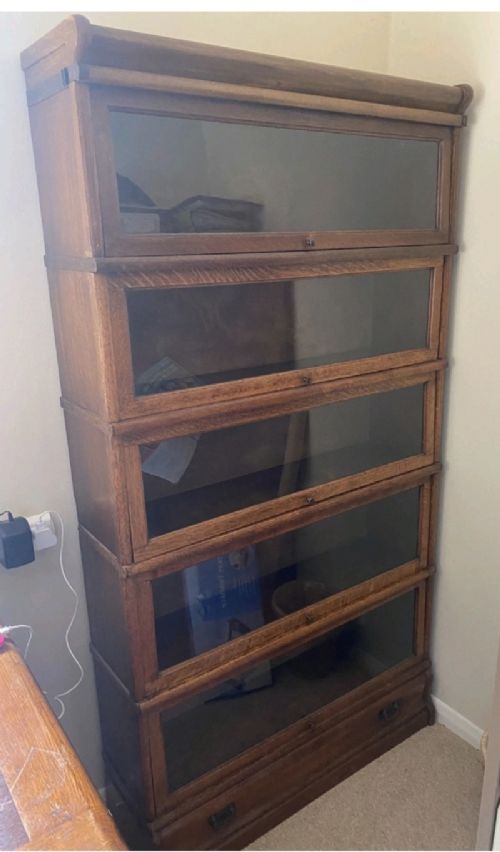
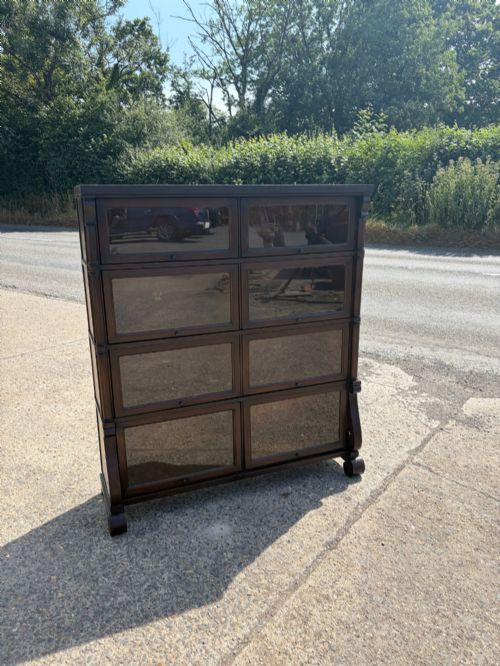
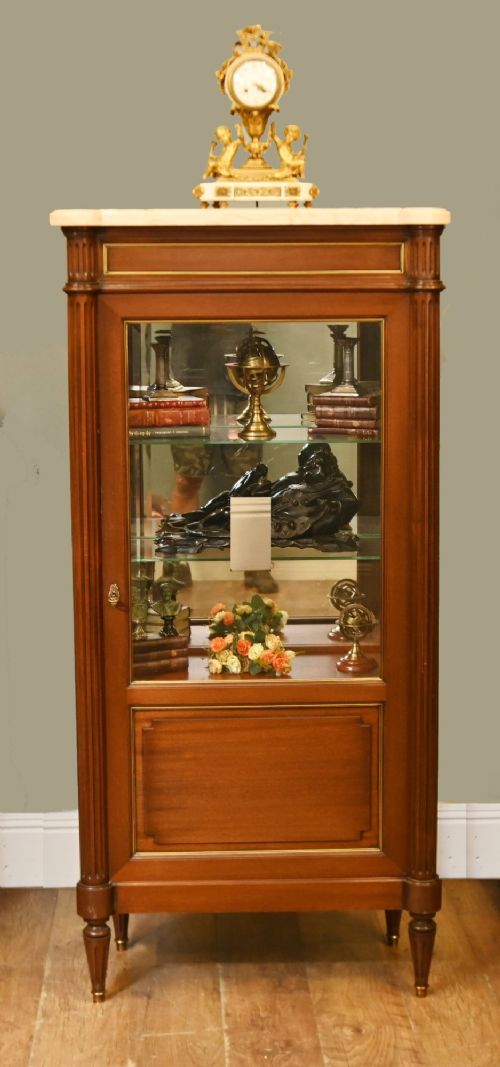
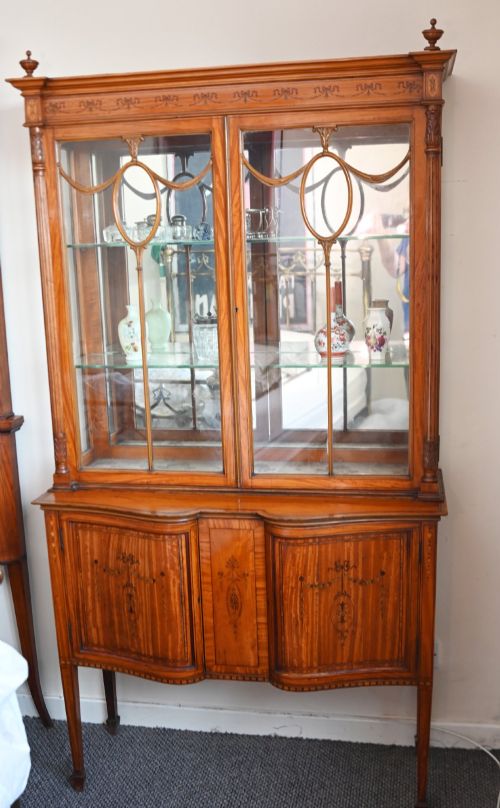
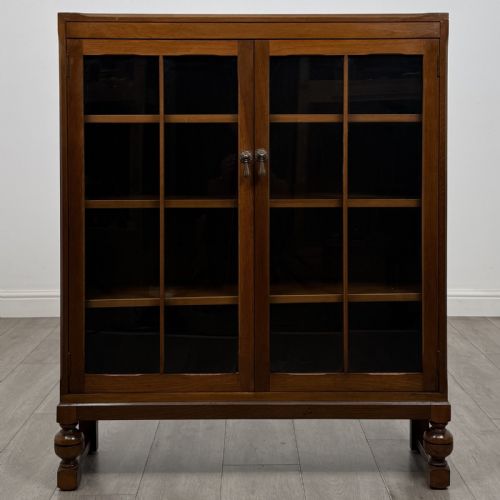
The selections on this page include standard bookcases alongside display cabinets, pier cabinets, and modular stacking systems such as Globe Wernicke style units. Formats range from slim single-door cupboards to large triple-door library bookcases and kitchen dressers.
Mahogany and oak dominate the timber selections, accompanied by walnut, burr walnut, pine, and kingwood. Revival styles such as Chippendale, Jacobean, Sheraton, and Queen Anne appear frequently alongside plain traditional constructions.
Measures of quality
The refinement of timber selection and veneer matching dictates the distinction between standard utility furniture and high-end cabinet work. Figured mahogany, symmetrical burr walnut, and intricate satinwood inlay denote superior workshop production.
Joinery standards, including the weight of the glass, the precision of door fitting, and the integrity of internal shelving adjustments, separate utilitarian storage pieces from fine display cabinets.
Listings feature glazed furniture spanning the Georgian, Victorian, Edwardian, and 1920s periods, constructed from mahogany, oak, walnut, and pine.
Hampton & Sons, London·Edwards & Roberts
The Glazed Glass Door Bookcase Glossary
- Vitrine
- A glass-fronted cabinet designed specifically for the display of porcelain and small decorative objects. These units often feature glazed sides as well as front doors.
- Pier cabinet
- A low, slender cabinet built to stand against the narrow wall space between windows. Victorian examples commonly incorporate burr walnut and marquetry inlay.
- Credenza
- A sideboard or low cabinet type associated with Victorian dining and drawing rooms. They frequently include glazed central doors flanked by curved side cupboards.
- Barristers bookcase
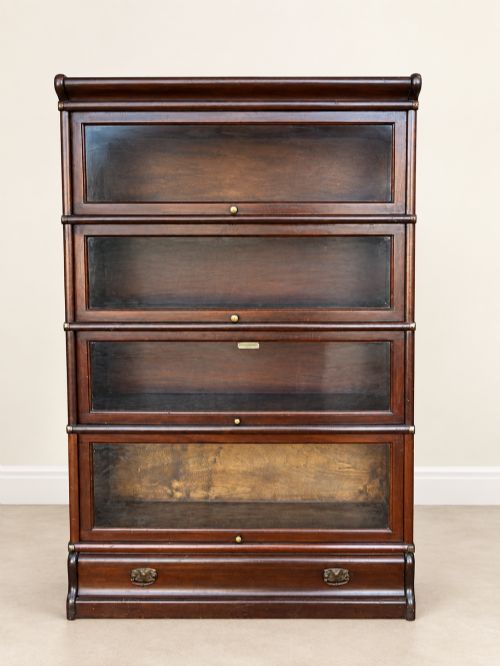
- A sectional stacking bookcase with glazed lifting doors that slide into the cabinet above each shelf. This modular design allowed units to be stacked in multiple tiers.
- Ormolu
- Gilded bronze mounts applied as decorative ornaments to furniture surfaces. They appear particularly on nineteenth-century French and English display pieces.
Glazed Glass Door Bookcase: Frequently Asked Questions
How do I date a glazed bookcase?
Dating relies on timber choices, construction methods, and stylistic revival markers recorded in the piece. Mid-nineteenth-century items often employ solid figured mahogany, while Edwardian and later pieces frequently utilise lighter satinwood or golden oak.
Hardware, glass clarity, and internal shelving fixtures also offer clues to the decade of production. Examining the backboards and drawer linings helps confirm the manufacturing era.
What is the difference between a bookcase and a vitrine?
A bookcase is primarily structured to hold collections of reading material on adjustable wooden shelves. The doors are glazed to protect books from dust while maintaining visibility.
A vitrine places emphasis on display, frequently featuring glass on the sides as well as the front to showcase ceramics and ornaments. These cabinets often incorporate silk-lined interiors and decorative ormolu mounts.
Are stacking bookcases stable?
Stacking modular units, such as those built in the Globe Wernicke style, are designed to interlock securely tier by tier. Each section rests on the one below, creating a stable column for housing books.
When placed on an even floor, these sectional units hold substantial weight safely. Wall attachment may be considered for taller stacks in busy households.
How should I clean wood and glass?
Timber surfaces benefit from gentle dusting with a soft, dry cloth to preserve polish and wax finishes. Avoid modern aerosol sprays that contain silicone and build up over time.
Glass panels can be cleaned with a mild glass cleaner applied to a cloth rather than sprayed directly onto the surface. This prevents liquid from seeping into the surrounding wooden frame.