
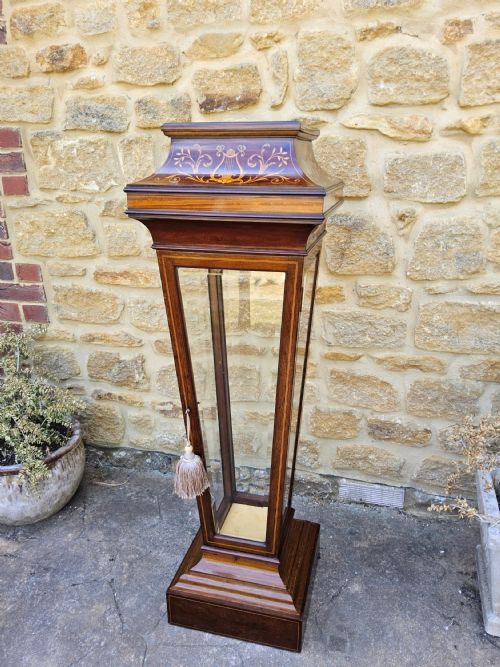
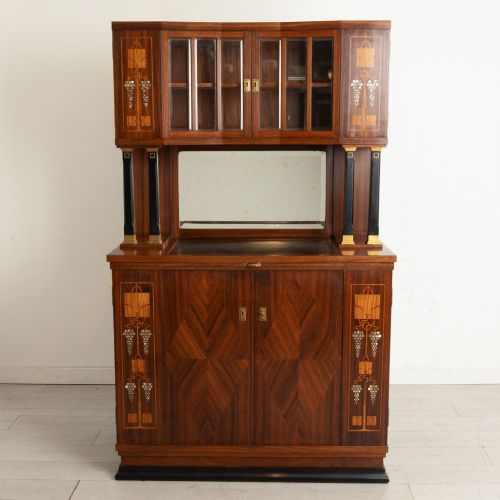


Glazed Display Column
A glazed display column combines vertical presence with glass protection, offering collectors a compact stage for small treasures.
Glazed Display Column
When you search for glazed display column, you are looking at tall, glass-fronted pedestals and cabinets designed to showcase precious objects from all sides. These vertical forms draw the eye upward while keeping contents secure behind panelling.
The pieces listed here span the nineteenth and twentieth centuries, taking in Victorian and Edwardian interpretations alongside Regency, French Empire, and Art Nouveau examples. You will frequently encounter cylindrical pedestals, tall cabinets, and narrow bookcases that serve the function of a display column.
Origins range across British workshops, French cabinet makers, and Austrian studios. Walnut, mahogany, and rosewood form the structural backbone of these tall display pieces.
How they were made
Cabinet makers utilised dense hardwoods such as mahogany, walnut, and rosewood, often applying burr walnut or amboyna veneers to create striking surface patterns. These timbers provided the structural strength required for tall, narrow frames.
Glazing techniques involved framing clear glass panels within tight timber rebates to maximise visibility. Brass mounts, gilt metal, and ebonised details were frequently added to punctuate the dark timber surfaces.
Some Victorian column cabinets feature hidden rotating shelves, letting your collection spin gently behind the glass like a tiny architectural carousel.
What varies in quality
The sophistication of the timber selection and veneer matching defines the upper tier of these pieces. Grain continuity across doors and columns indicates careful planning by the maker.
Integration of cast brass mounts, gilt bronze details, and refined turning elevates a simple carcass into a masterwork. The crispness of inlay work and the weight of the hardware distinguish standard production from exceptional execution.
August Ungethüm·Gillows
The Glazed Display Column Glossary
- Credenza
- A low sideboard or cabinet, frequently featuring glazed or mirrored doors alongside timber cupboards. Originating in Italy, it became a staple of nineteenth-century reception rooms.
- Palisander
- A dense, dark timber belonging to the rosewood family, prized for its rich grain and purplish-brown tones. It was heavily utilised in high-status nineteenth-century cabinet making.
- Biedermeier
- A central European style spanning the early to mid nineteenth century, focusing on clean lines and utilitarian elegance. It favoured domestic timbers over heavy ornamentation.
- Inlay
- The technique of embedding contrasting strips of wood, ivory, or metal into the primary timber surface to form geometric or floral patterns. This ornamentation requires immense precision from the craftsman.
Glazed Display Column: Frequently Asked Questions
What is a glazed display column?
A glazed display column is a tall, narrow cabinet or pedestal enclosed in glass designed to elevate and exhibit small objects of art or collection. These vertical units maximise floor space while offering panoramic viewing of their contents.
They appear in various revival styles across the nineteenth and twentieth centuries, utilising hardwoods like mahogany and walnut to support the heavy glass panels.
How do I date a display cabinet?
Dating relies on identifying the primary timbers, construction methods, and stylistic revival motifs present in the piece. Victorian and Edwardian examples often feature machine-sawn backboards and distinct brass hardware.
Earlier nineteenth-century pieces display hand-cut joinery and specific veneer choices, such as flame mahogany or burr walnut, which shift in popularity across decades.
Where should I place a column?
These tall display pieces suit corners, alcoves, or wall spaces where floor area is restricted but vertical height is available. Placing them away from direct sunlight protects vulnerable interior fabrics and wooden surfaces.
Ensure the floor is level, as tall glazed structures require a stable base to keep doors hanging true and glass secure.
How do I clean timber and glass?
Dust timber surfaces regularly with a soft, dry cloth and nourish the wood periodically with traditional wax polish. Avoid silicone sprays that can penetrate old finishes.
Clean the glass panels with a mild solution applied to a cloth rather than sprayed directly, preventing moisture from seeping into the wooden frames or antique putty.