



Glazed Display Box
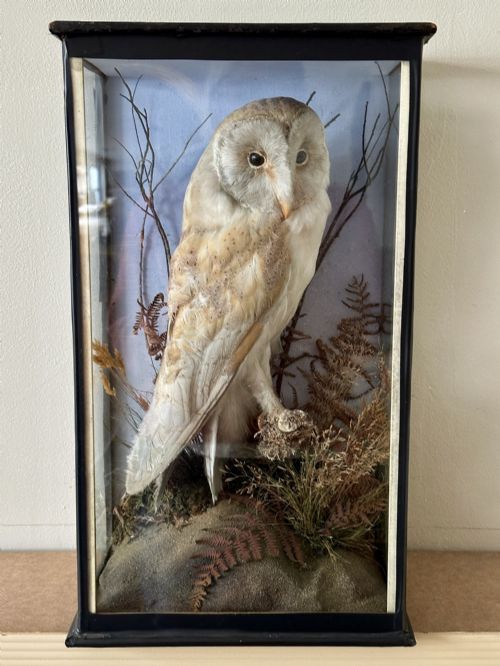
A glazed display box protects and reveals treasures, ranging from bijouterie tables to taxidermy cases crafted to showcase curated items.
Glazed Display Box
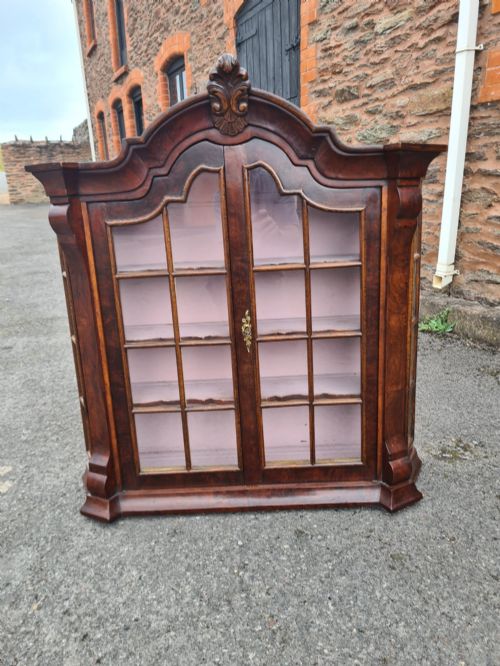
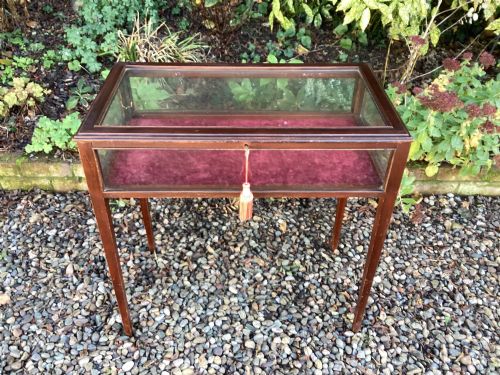
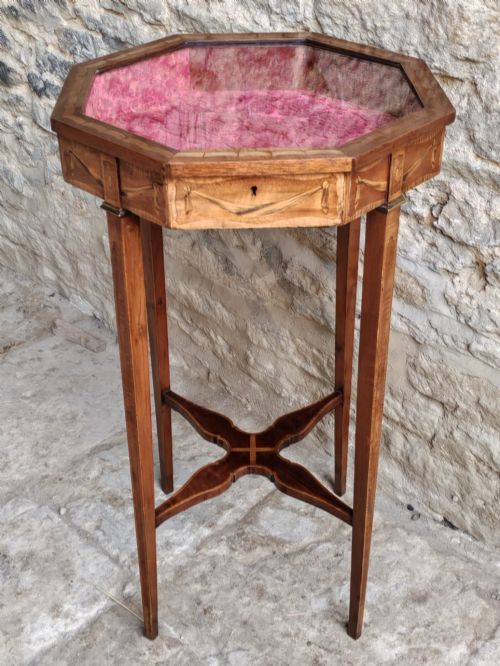
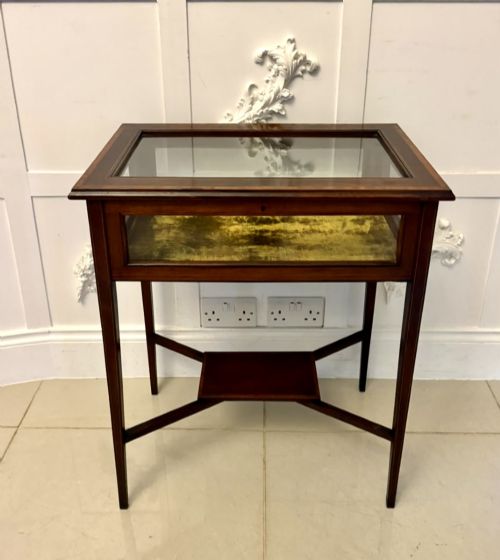
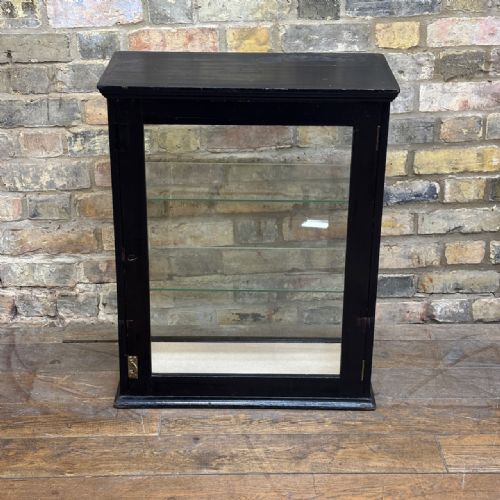
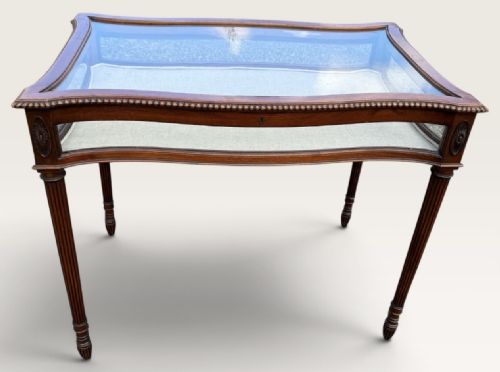
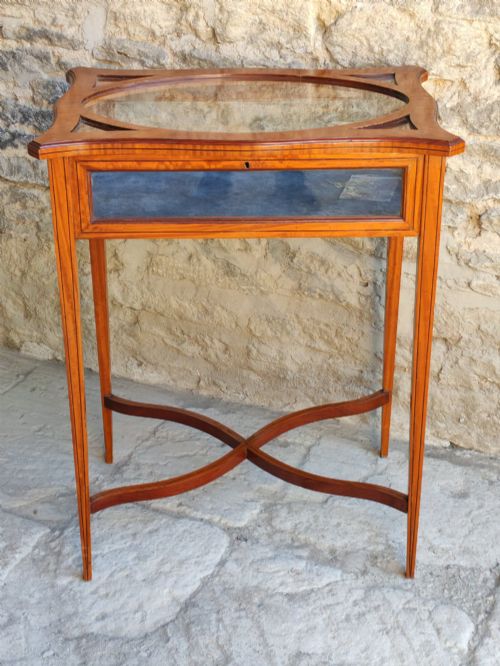
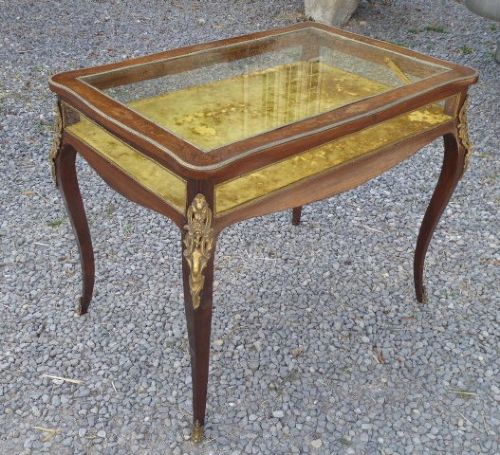
A glazed display box encompasses various forms designed to exhibit specimens, curiosities, and personal valuables under glass. Buyers searching this phrase encounter formats such as countertop shop cabinets, table-top display cases, wall-hanging shadow boxes, and freestanding bijouterie tables.
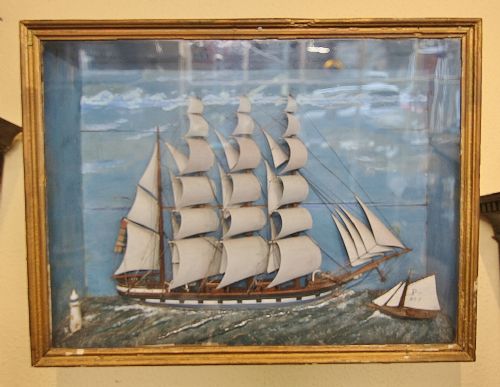
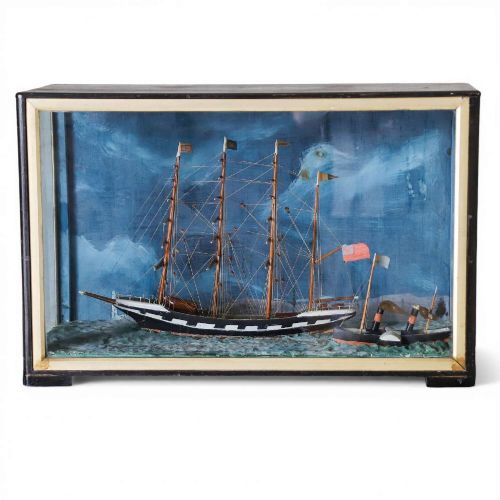
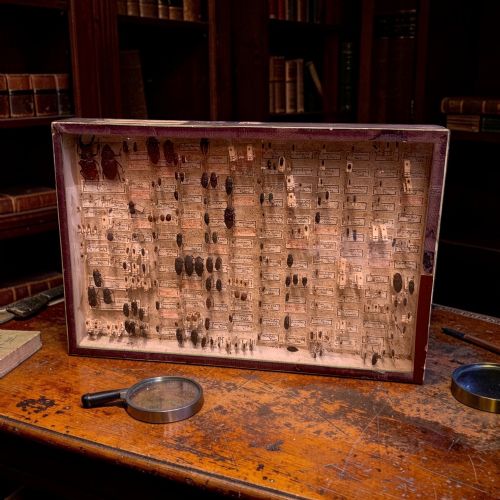
The pieces on this page originate predominantly from the Victorian, Edwardian, and early twentieth-century periods. Common variations include specialised entomology cases, maritime dioramas, and merchant display counters utilised for confectionery or tobacco.
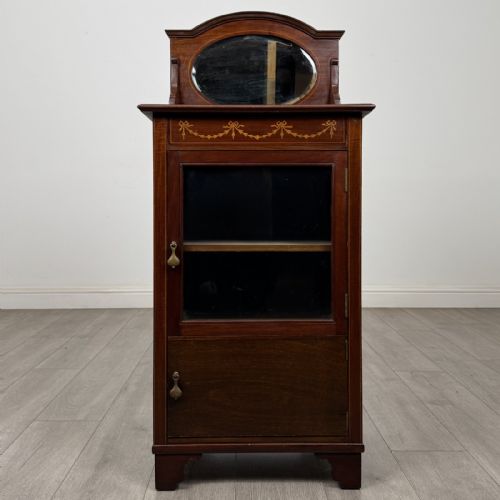
Table formats typically feature hinged glass lids and glazed sides to permit all-round inspection of contents. Cabinet variations provide shelved storage behind glazed doors for domestic collections or retail merchandise.
Materials and Construction
Makers utilised solid and veneered timbers such as mahogany, satinwood, oak, burr walnut, and rosewood for the structural frames. Marquetry inlay, brass mounts, and ormolu detailing frequently embellish the exterior surfaces of finer examples.
Interiors often incorporate linings of fabric, velvet, or satin to cushion delicate items and provide visual contrast. Glazing relies on fitted glass panes secured within rebated wooden frames or held by brass edging.
Glazed Display Box Retail Price Guide 2026
Typical asking prices for glazed display box among the pieces listed under this phrase on Sellingantiques today, from the lower quarter to the upper quarter. They describe what is for sale here now, not the wider market.
Prisoner art diorramas made from salvaged materials bring rogue maritime flair straight to the countertop.
Distinctions in Quality
Quality rests upon the selection of timber veneers, the precision of cabinet joinery, and the refinement of brass or ormolu mounts. Finer examples display meticulous marquetry work and well-balanced proportions.
The integrity of the original glazing, fabric linings, and working locks with matching keys distinguishes superior pieces. Smoother operation of hinged lids and sliding doors indicates careful initial construction and subsequent preservation.
James Jones of London·Rowntree’s Chocolates·Fry’s
The Glazed Display Box Glossary
- Bijouterie table
- A glass-topped table specifically designed for displaying small valuables, medals, or jewellery.
- Ormolu
- Gilded bronze mountings applied to furniture and display cases for decorative effect. This technique was popular in French revival pieces.
- Marquetry
- Decorative woodwork where pieces of veneer are fitted into a ground to form geometric or floral patterns.
- Diorama
- A three-dimensional scene, often featuring model ships or taxidermy, enclosed within a glazed shadow box.
- Specimen cabinet
- A multi-drawer storage unit designed for organising natural history collections, insects, or geological samples.
Glazed Display Box: Frequently Asked Questions
What fits inside a bijouterie table?
These glass-topped tables suit small collectables such as pocket watches, coins, medals, and rings. The shallow glazed compartment keeps items visible while protecting them from dust and handling.
Dealers often line these interior wells with velvet or satin to prevent the contents from sliding when the hinged lid opens.
How do I clean the glass safely?
Use a soft cloth and a mild glass cleaner applied to the cloth rather than directly onto the frame. This prevents moisture from seeping into vulnerable antique timber or fabric linings.
Take care around brass mounts, ormolu, and older putty or glazing bars which may be brittle on nineteenth-century examples.
Where should I place a display case?
Position glass display cases away from direct sunlight to prevent the fading of interior velvet linings, taxidermy specimens, and wooden veneers. Stable room temperatures protect against timber warping and joint separation.
Counter-top and table models require a sturdy surface at a height that allows comfortable viewing of the contents through the top glass.
Are countertop shop cabinets secure?
Many trade cabinets feature original brass locks and keys designed for commercial security during trading hours. While operational, these older locks serve better for display security rather than modern heavy protection.
Countertop models utilise robust oak or mahogany frames built to withstand daily retail use.