



Glazed Countertop Display Case
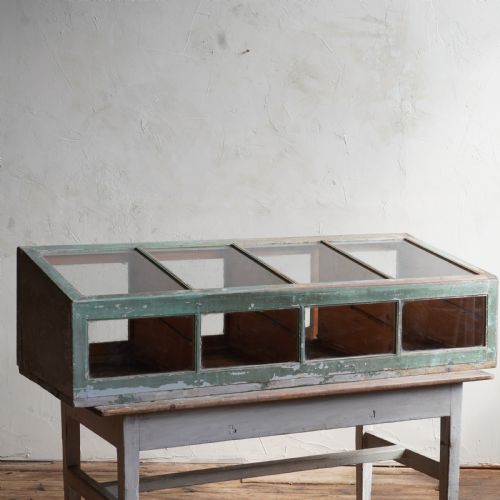
These glazed countertop display case examples are compact shop fittings designed to showcase small merchandise securely on counters.
Glazed Countertop Display Case
A glazed countertop display case sits upon retail counters, shop fittings and tables to present small goods to customers while protecting them behind glass. When searching for a glazed countertop display case, buyers encounter a variety of tabletop cabinets, display boxes and showcases originating from different eras.
The selections span from the Victorian and Edwardian periods through to the 1920s and 1930s. Common forms include apothecary cabinets, sweet shop displays and jewellery cases equipped with drawers or shelves.
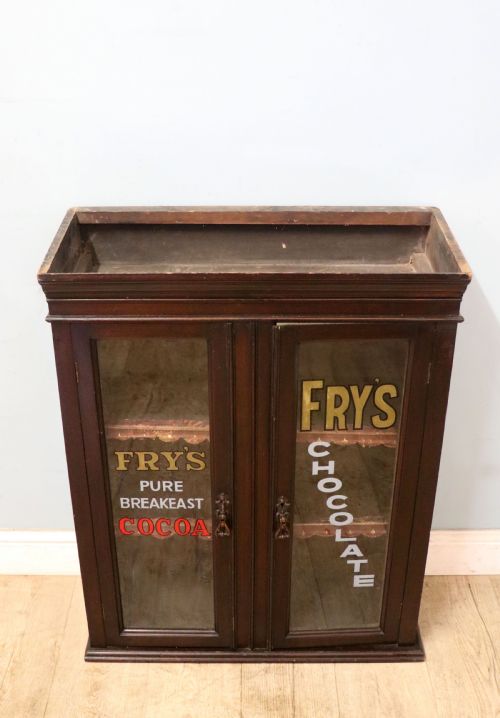
Commercial pieces often feature hand sign written advertising for chocolate, cocoa and other goods from companies such as Fry's and Rowntree's. Domestic and retail uses overlap, as these timber and glass enclosures served both shopkeepers and collectors.
Materials and construction
Cabinet makers utilised hardwoods such as mahogany, oak and pine alongside metals like brass and painted or ebonized wood to build the frames. Glass panels form the viewing windows, permitting light to reach the interior shelves and display surfaces.
Construction techniques include glazed doors, hinged lids and internal shelving arrangements, sometimes supplemented by drawers beneath the main compartment. Finishes range from natural polished timber grains to distressed painted surfaces and velvet linings.
OXO cubes shared counter space with Fry's chocolate inside these glass cases, feeding both sweet teeth and broth drinkers.
Variations in quality
The standard of a glazed countertop display case depends on the choice of timber and the precision of the joinery in the frame. Solid mahogany and oak examples display tighter joints and more refined moulding than simpler pine versions.
Original signage and advertising graphics applied directly to the glass or timber add distinct character. The clarity of the glass, the integrity of the hinges and the retention of original fittings distinguish finer examples.
The Glazed Countertop Display Case Glossary
- Ebonized
- Wood finished to resemble ebony through staining or painting. This dark surface treatment appeared frequently on commercial display cases during the early twentieth century.
- Shopfitting
- The trade and craft of manufacturing furniture and fixtures for retail premises. These cabinets served as standard commercial fittings for late nineteenth and early twentieth century merchants.
- Showcase
- A glass-fronted or glass-topped case used for exhibiting wares. These units protected fragile merchandise from handling while maintaining visibility on shop counters.
- Apothecary
- Pertaining to the preparation and sale of medicines. Apothecary cabinets provided secure storage for small phials, ingredients and remedies in chemist shops.
Glazed Countertop Display Case: Frequently Asked Questions
What were these cases used for?
Merchants placed these cabinets on shop counters to display small, valuable or delicate items such as sweets, chocolate, jewellery and medicine. They kept goods visible to customers while preventing handling and theft.
Over time, many of these commercial fittings transitioned into domestic settings where collectors use them to exhibit small personal items.
How do I date a cabinet?
Dating relies on observing construction methods, timber choices, hardware and any accompanying commercial lettering. Victorian and Edwardian pieces often exhibit heavier timber frames and traditional joinery.
Later examples from the 1920s and 1930s introduce styles like Art Deco alongside specific commercial branding associated with known confectionery firms.
Are the advertising signs original?
Some cabinets retain their original hand sign written advertising for brands like Fry's or Rowntree's, applied directly to the glass or timber frame. Other pieces feature later sign written decoration added during subsequent decades.
Examining the wear, paint composition and integration with the surface helps determine whether the lettering dates from the original period of use.
How should I clean the glass?
Maintenance requires gentle cleaning methods suitable for antique wood and older glass panes. Standard glass cleaner applied to a cloth rather than sprayed directly avoids damaging surrounding timber frames or painted surfaces.
Care must be taken around hand-painted lettering and delicate ebonized or distressed finishes to preserve the historical surface.