



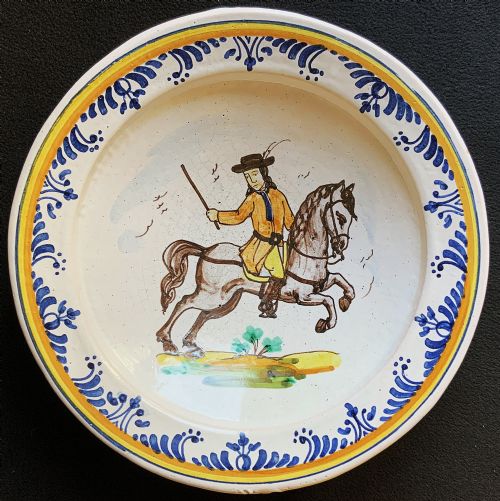



Glazed Ceramic Plaque
A glazed ceramic plaque brings rich colour and painted narrative directly to the wall, offering centuries of fired pigment and earthenware craftsmanship.
Glazed Ceramic Plaque
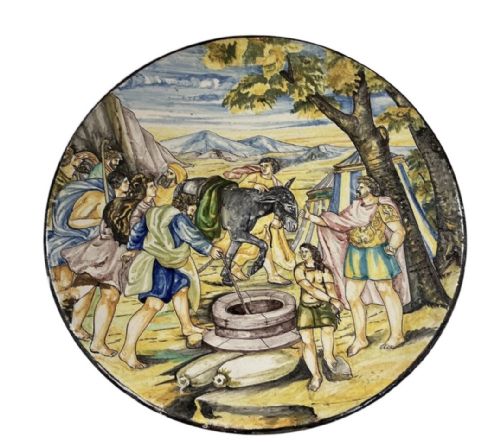
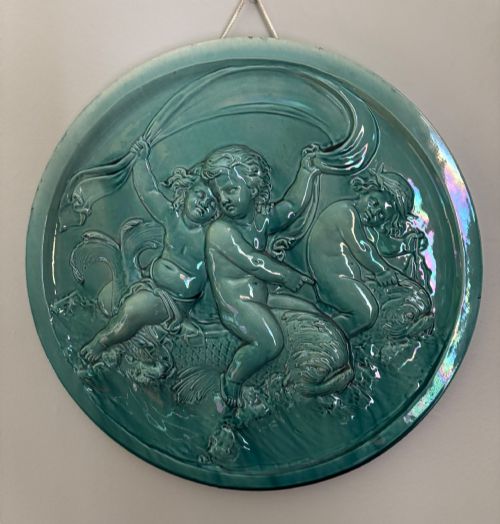
When you search for a glazed ceramic plaque, you encounter a diverse array of wall art, decorative chargers, and architectural tiles spanning several centuries. The pieces available range from large tin-glazed earthenware platters and Dutch Delft panels to intricate Italian maiolica and vibrant Art Deco wall masques.
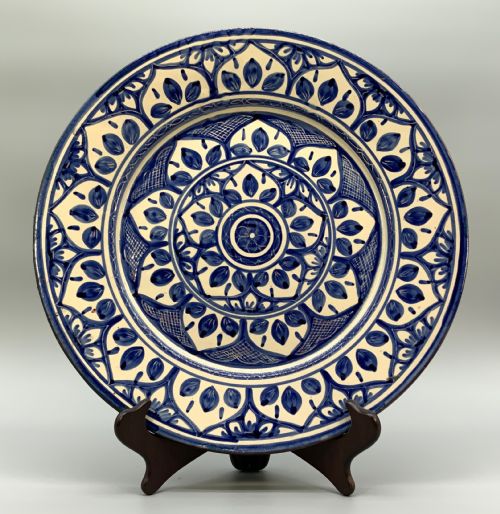
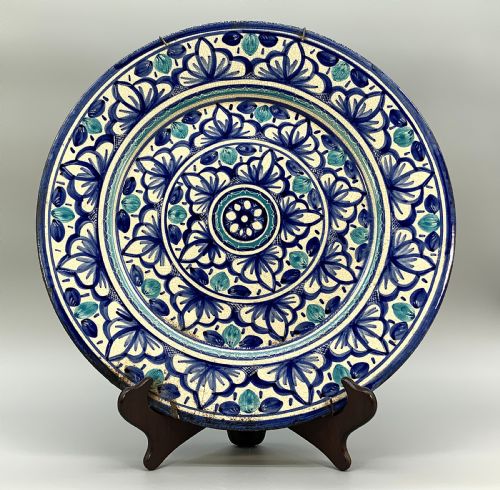
The selection on this page leans heavily toward continental European traditions, featuring 18th-century Spanish and French faience alongside 19th-century Italian chargers and British decorative tiles. Buyers frequently discover devotional scenes, historical narratives, and figurative subjects rendered in both blue and white and rich polychrome pigments.
Forms extend beyond standard rectangular plaques to encompass circular chargers, bin labels, and framed tile groupings. These objects served primarily as decorative interior elements, combining functional ceramic body bases with expressive surface artistry.
How they were made
The pieces in these listings rely on earthenware and ceramic bodies coated in specialised glazes, including tin-glazes and faience finishes that provide a smooth, opaque white ground for painting. Artisans applied pigments directly onto the unfired or fired glaze surface, capturing fine details in historical, floral, and figurative compositions.
Firing techniques varied across eras and regions, from the high-temperature grand feu methods of traditional delftware to the moulded relief work seen in later Victorian and Arts and Crafts productions. Pigments were fixed through kiln firing, yielding durable surfaces that preserve the original brilliance of the blues, greens, and polychrome hues.
Glazed Ceramic Plaque Retail Price Guide 2026
Typical asking prices for glazed ceramic plaque among the pieces listed under this phrase on Sellingantiques today, from the lower quarter to the upper quarter. They describe what is for sale here now, not the wider market.
Materials represented include earthenware, tin-glazed earthenware, wood, and pigment across various European regional styles.
What varies in quality
The distinction between standard examples and top-tier pieces rests largely on the sophistication of the painting and the complexity of the narrative scene. Istoriato and historical compositions executed by skilled hands display superior draftsmanship and depth compared to simpler, repetitive decorative motifs.
Preservation of the glaze and the vibrancy of the original pigments heavily influence a piece's standing. Finer examples maintain crisp outlines and minimal surface disruption, allowing the original tin-glaze or faience finish to showcase the full intent of the period maker.
Clement Messier·Minton Hollins·Sherwin And Cotton·Gio Ponti·Richard Ginori
The Glazed Ceramic Plaque Glossary
- Maiolica
- Tin-glazed earthenware produced in Italy, typically decorated with colourful historical or grotesque motifs. It represents a cornerstone of Renaissance and revival ceramic traditions.
- Faience
- European tin-glazed pottery, particularly associated with French, Dutch, and Spanish production. The technique uses an opaque white glaze base to receive hand-painted pigments.
- Charger
- A large decorative plate or platter intended for display on a wall or sideboard rather than for dining use. Many historical examples feature elaborate pictorial scenes.
- Istoriato
- A style of ceramic decoration featuring narrative scenes derived from history, mythology, or literature. This technique covers the entire surface of the plaque or charger with complex imagery.
- Tin-Glazed Earthenware
- Pottery fired with a lead glaze made opaque by the addition of tin oxide. This surface creates an ideal canvas for detailed brushwork in blue and white or polychrome.
Glazed Ceramic Plaque: Frequently Asked Questions
How do I hang a heavy ceramic charger?
Most large chargers and plaques require a specialised spring-loaded wall hanger designed to distribute weight evenly across the rim without causing stress fractures.
Ensure the mounting hardware is securely anchored into wall studs, especially when displaying substantial earthenware pieces from the nineteenth century.
Are these plaques meant for outdoor display?
These decorative ceramics are strictly intended for interior use where they remain protected from frost and extreme moisture fluctuations. Outdoor exposure can cause the porous earthenware bodies and historic glazes to craze or degrade.
Display them away from direct, harsh sunlight to preserve the integrity of the original pigments.
How should I clean my glazed plaque?
Dust the surface gently with a soft, dry microfibre cloth to remove everyday particles without abrasive friction. Avoid using water, liquid cleaners, or chemical solvents, as historical glazes can be sensitive to moisture.
Consult a professional restorer if the piece requires deeper conservation work.
How can I tell an 18th-century plaque from a 19th-century revival piece?
Examine the back of the ceramic body and the characteristics of the glaze, as older pieces often exhibit kiln spurs, crazing, and hand-thrown irregularities unique to early production methods. Revival pieces from the Victorian era frequently display more standardised moulding and different manufacturer stamps.
Comparing the pigment saturation and stylistic brushwork to documented period examples provides further clarity.