

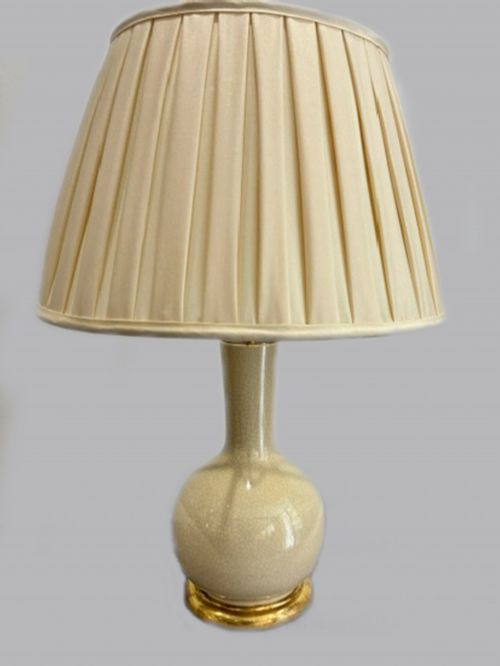
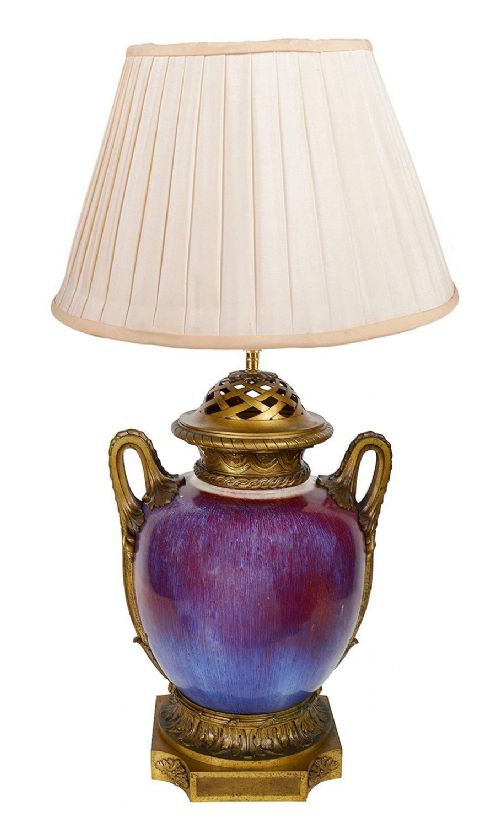
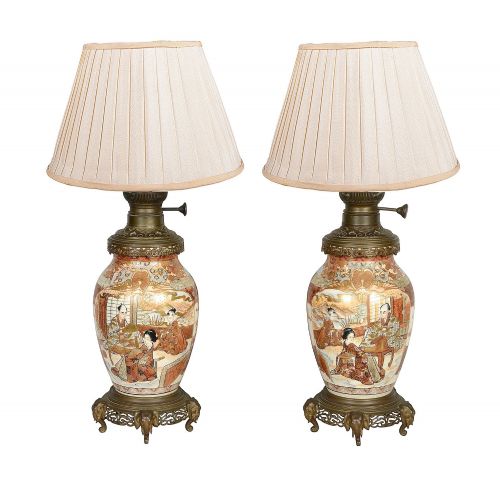
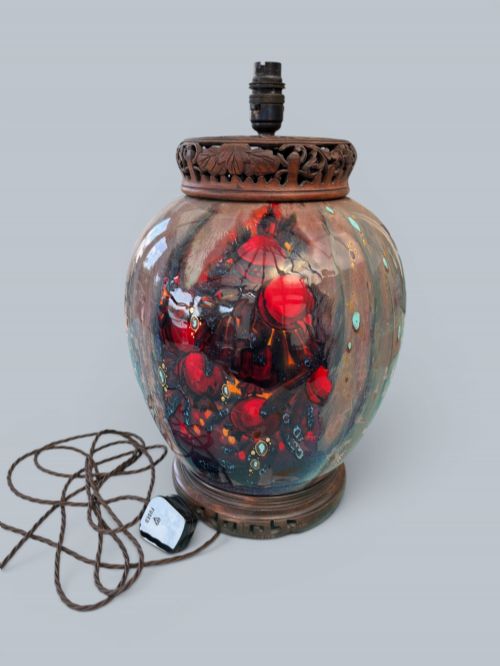


Glazed Ceramic Lamp
A glazed ceramic lamp brings rich texture and colour to a room, turning antique pottery into practical household lighting.
Glazed Ceramic Lamp
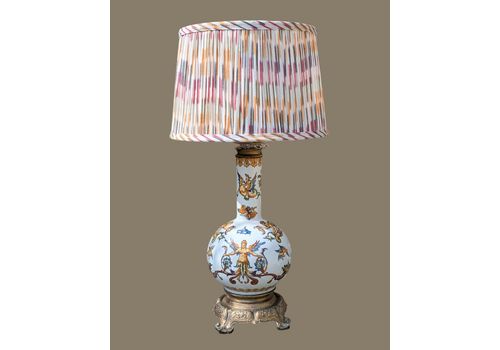
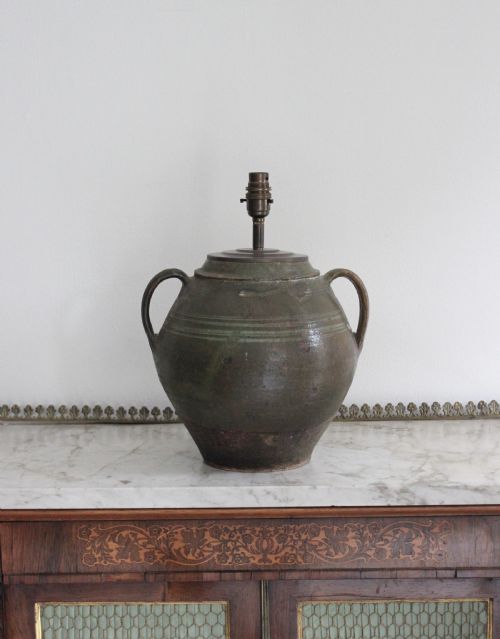
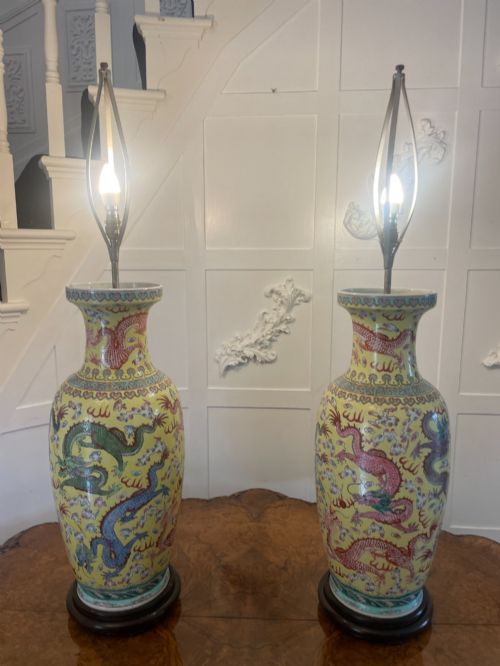
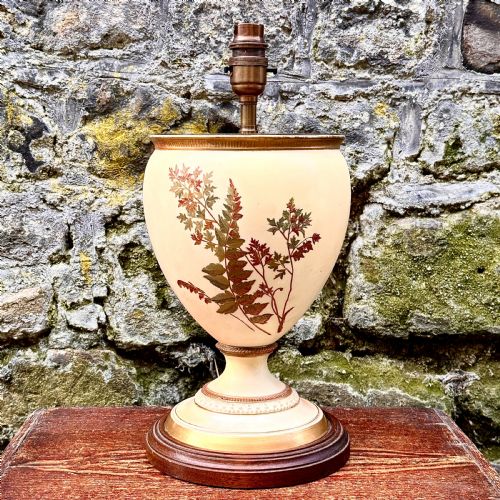
A glazed ceramic lamp is typically created by converting an older vessel, such as a Chinese ginger jar, an 18th century Delft vase, or a Victorian pottery base, into functional lighting.
Buyers encountering this phrase will find a strong representation of 19th century pieces alongside earlier 18th century pottery and later Art Deco designs.
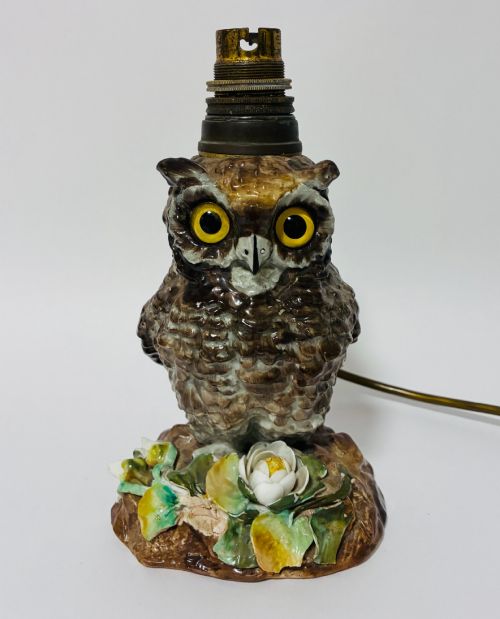
The body of the lamp usually originates as a decorative vase, ginger jar, or figural object before receiving electrical fittings.
Materials and construction
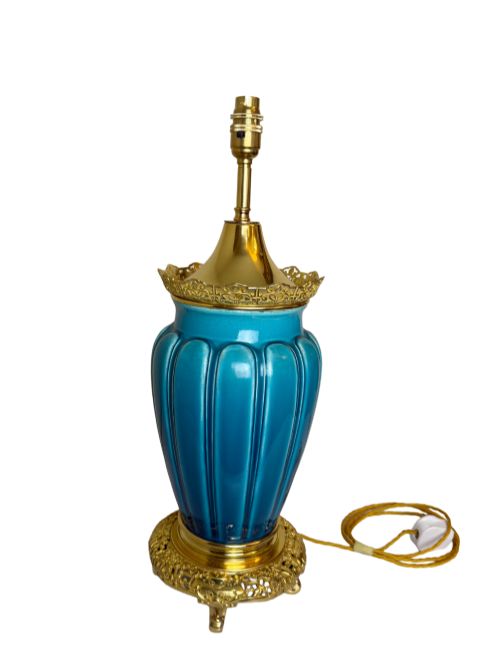
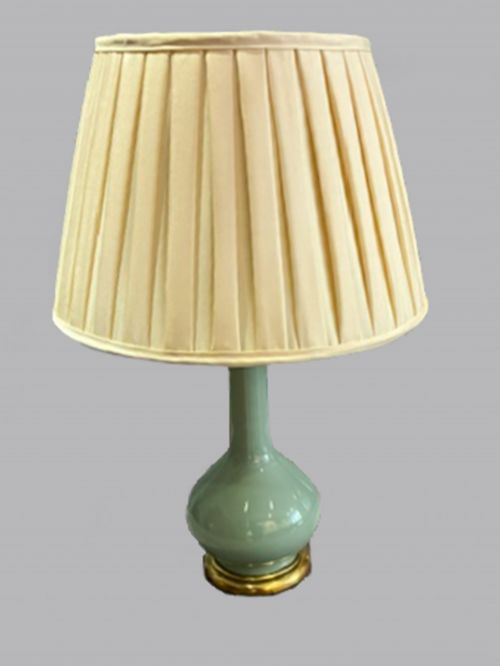
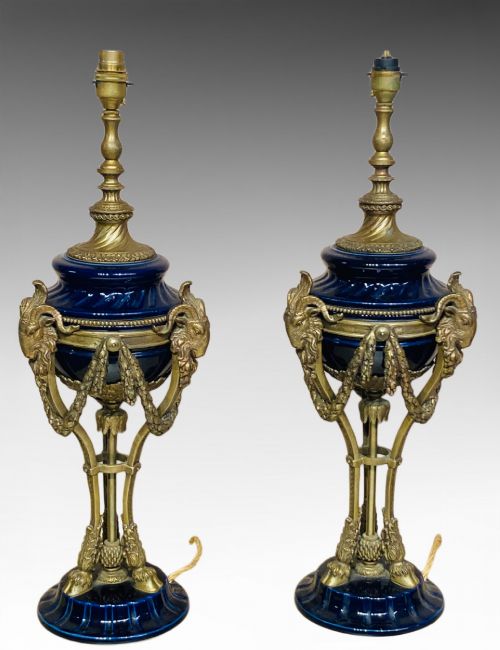
The primary bodies utilise earthenware, porcelain, or stoneware finished with glossy lead or salt glazes in various colours like celadon, turquoise, and cobalt blue.
Many examples incorporate metal mounts, such as brass, ormolu, or gilt bronze, fitted as bases or collars to support the ceramic vessel.
Conversion work often involves drilling the original ceramic base to route wiring or mounting the neck securely to hardware.
Glazed Ceramic Lamp Retail Price Guide 2026
Typical asking prices for glazed ceramic lamp among the pieces listed under this phrase on Sellingantiques today, from the lower quarter to the upper quarter. They describe what is for sale here now, not the wider market.
Common materials include porcelain, earthenware, brass, and gilt bronze combined in various lamp conversions.
Judging quality in converted lamps
Quality rests heavily on the preservation of the original ceramic body and the subtlety of the glaze colour, from deep crackleware to vibrant sang de boeuf.
The integration of metal mounts and electrical hardware dictates whether the conversion feels sympathetic to the antique piece or intrusive.
Proportion matters significantly, as the height and scale of the ceramic base must balance cleanly with the chosen shade.
Royal Worcester·Royal Doulton·Burmantofts Faience·Denby Ware·Argilor Paris
The Glazed Ceramic Lamp Glossary
- Celadon
- A pale green or grey-green translucent glaze often seen on Chinese ceramics. It developed centuries ago to imitate jade.
- Crackleware
- Pottery featuring a network of fine microscopic cracks intentionally produced in the glaze layer. This texture appears frequently on 19th century Chinese vases.
- Sang de boeuf
- A rich red copper glaze translating literally to ox blood. This deep crimson finish is typical of high-temperature firing.
- Ormolu
- Gilded bronze used for decorative mounts and trims. It provides a bright golden contrast to glazed ceramic bodies.
- Majolica
- Tin-glazed earthenware decorated with opaque coloured glazes. It is common in Italian and Victorian table lamps.
Glazed Ceramic Lamp: Frequently Asked Questions
Are these original lamps?
Most of these pieces started life as vases, jars, or decorative vessels before being converted into lamps at a later date.
Wiring and fittings are generally modern additions to make antique ceramics usable in contemporary interiors.
How do I choose the right size?
Consider where the lamp will sit and the height of surrounding furniture. Larger monumental vases make strong focal points on side tables, while smaller ginger jars suit bedside settings.
Ensure the scale of the ceramic base allows for a stable and balanced profile.
Can antique wiring be used?
Older electrical components should be inspected or replaced by a qualified professional to meet current safety standards.
Rewiring protects the antique ceramic body from potential heat damage caused by outdated internal parts.
How do I clean ceramic lamps?
Dust the glazed surface gently with a soft dry cloth to prevent accumulation in textured areas like crackleware or handles.
Avoid harsh chemical cleaners that might compromise the finish of the glaze or any attached metal mounts.