
Glazed Ceramic Bowl
When you handle a glazed ceramic bowl, you touch centuries of domestic utility and artistic ambition shaped in clay and fixed in fire.
Glazed Ceramic Bowl
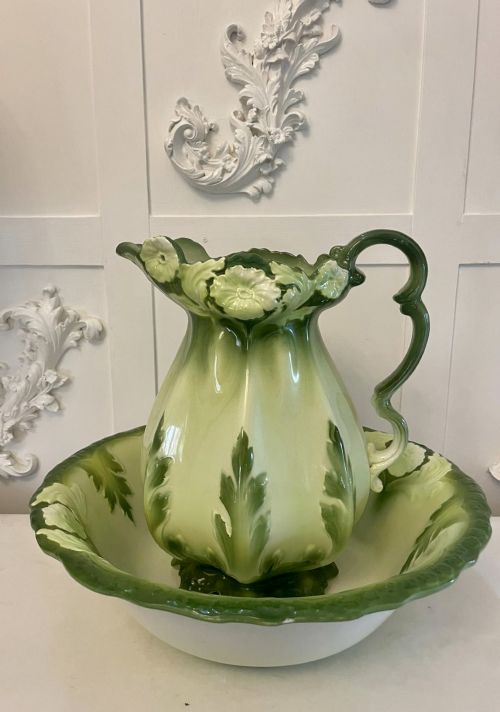
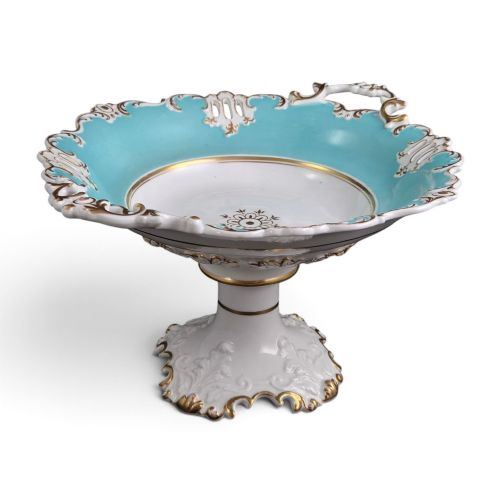
A glazed ceramic bowl serves purposes ranging from humble dairy work and daily household dining to elaborate table centrepieces and decorative displays. These vessels reflect domestic life and decorative arts across the eighteenth, nineteenth, and early twentieth centuries.
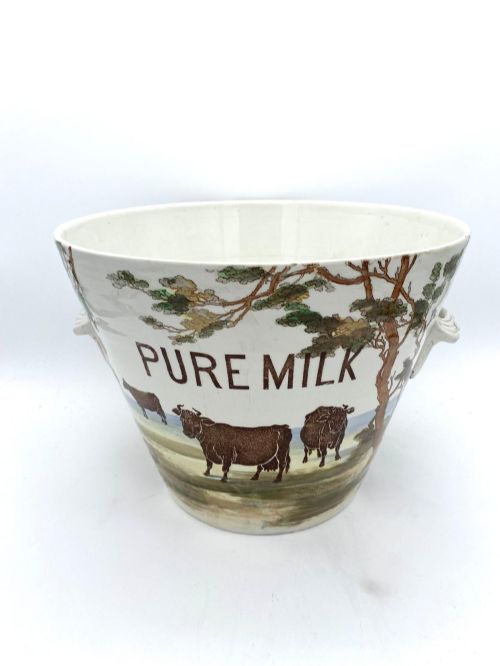
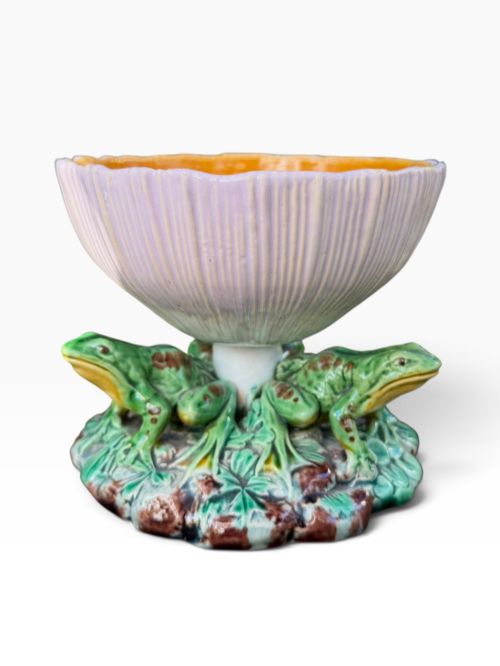
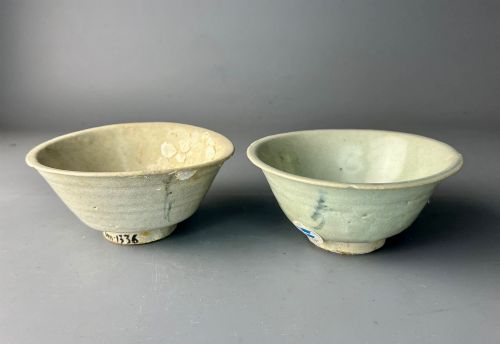
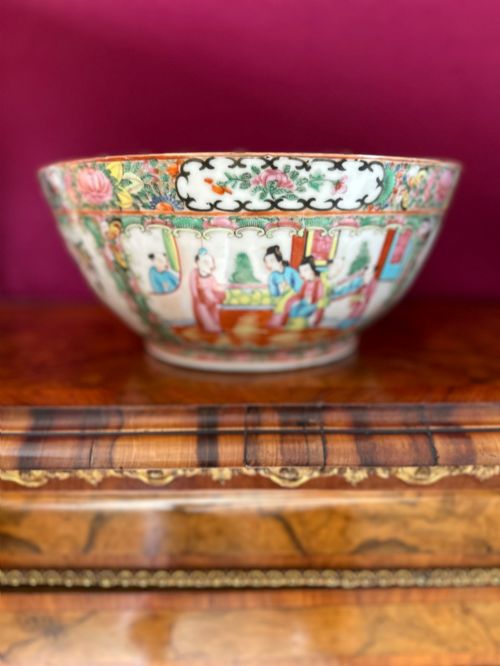
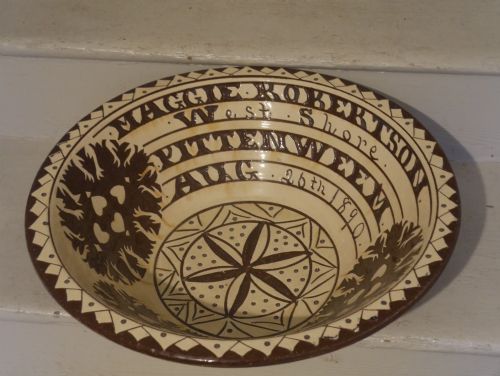
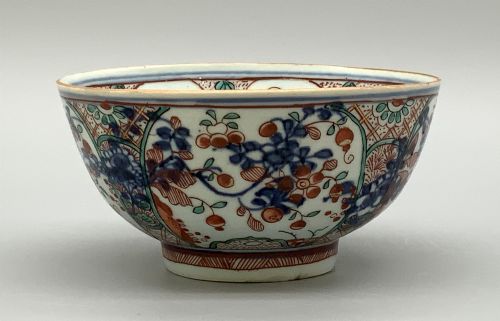
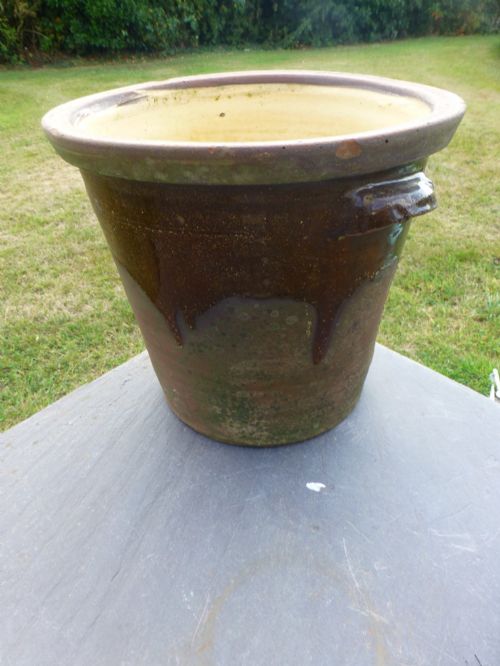
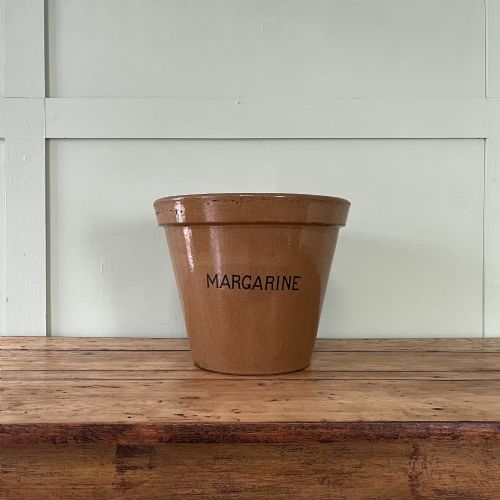
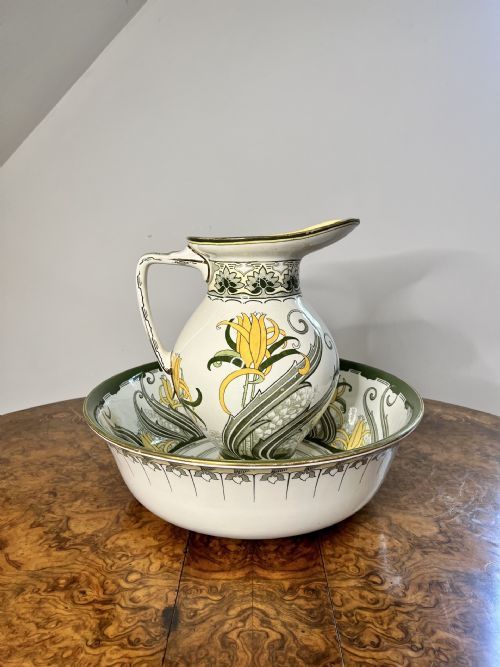
The pieces on this page span everyday utilitarian vessels like margarine bowls, dairy pails, and salting crocks alongside highly decorative majolica baskets, blue and white porcelain bowls, and tin-glazed earthenware dishes.
Origins stretch from British potteries and Scottish kilns to European delftware centres and Asian export kilns, offering a wide spectrum of forms from distinct historical periods.
Materials and construction techniques
Potters shaped these vessels from earthenware, stoneware, terracotta, and bone china, utilising natural clays suited to each specific function. Utilitarian dairy and kitchen vessels demanded dense, heavy-walled stoneware and coarse earthenware to withstand heavy daily use.
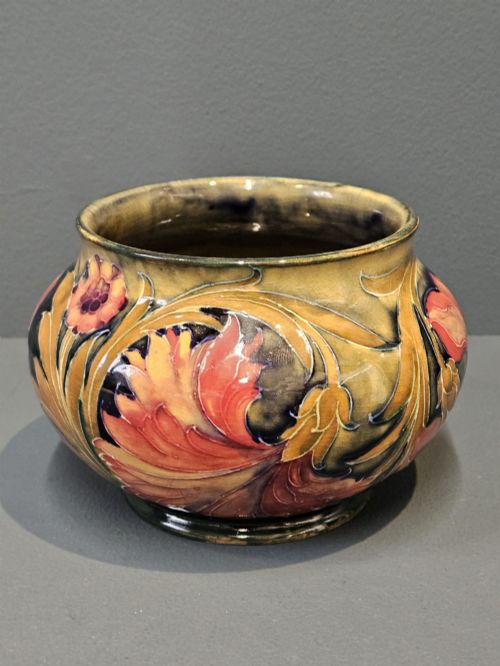
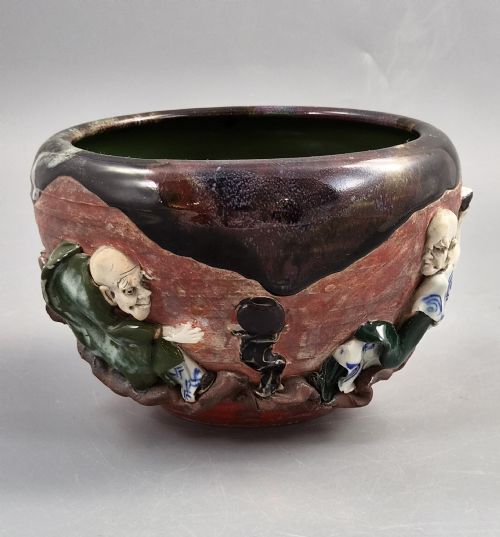
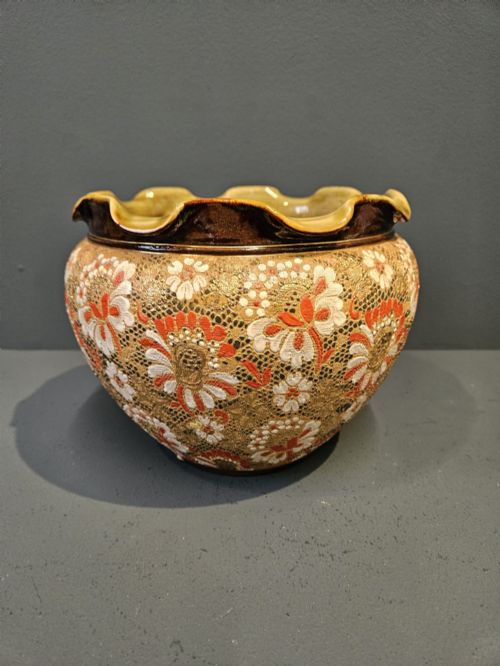
Glazes provide both functional waterproofing and aesthetic finish, executed in tin-glaze, iron rust, coloured enamel, and rich majolica lead glazes. Surface decoration incorporates hand-painted underglaze blue, applied figural reliefs, and gold leaf accents fired onto the ceramic body.
Listings feature earthenware, stoneware, and porcelain pieces spanning the eighteenth to the twentieth centuries, alongside tin-glazed and majolica finishes.
Distinctions in quality and execution
Quality rests in the precision of the throw, the stability of the clay body, and the depth of the glaze firing. Master potters and renowned factories achieved superior control over kiln temperatures, yielding unblemished surfaces and crisp, intentional colour saturation.
Artistic ambition separates standard domestic wares from exceptional showpieces, particularly where hand-painted motifs, modelled figures, or intricate relief decorations show the distinct hand of a skilled artisan.
Minton·Moorcroft·Coalport·Seaton Pottery·Doulon Burslem·Doulton Lambeth·Inoue Ryōsai·Chamberlains Worcester·George Jones·Wedgwood·Gyokkō·Mann Co·Shizan
The Glazed Ceramic Bowl Glossary
- Delft
- Tin-glazed earthenware originating from Dutch and English kilns, typically decorated in blue and white with Chinoiserie or floral patterns. The technique creates a smooth, milky white surface.
- Earthenware
- Porous pottery fired at relatively low temperatures, requiring a vitreous glaze to hold liquids. It forms the body of many traditional dairy and kitchen vessels.
- Celadon
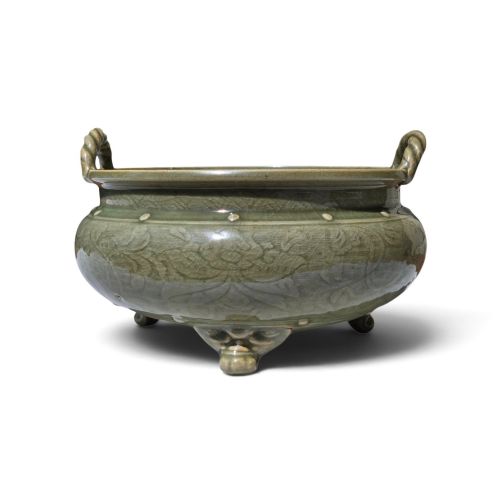
- A type of transparent green glaze applied to porcelain or stoneware, originating in East Asian kilns. The subtle green tone mimics the appearance of jade.
- Stoneware
- A dense, vitreous ceramic fired at high temperatures until the clay body fuses into a non-porous material. It is exceptionally durable and resists chemical corrosion.
Glazed Ceramic Bowl: Frequently Asked Questions
What is a glazed ceramic bowl used for?
These vessels fulfilled diverse roles ranging from functional dairy work, food storage, and kitchen preparation to formal dining and decorative display.
Heavier stoneware and earthenware items handled everyday tasks like holding milk, butter, or salt, while porcelain and majolica pieces adorned tables and drawing rooms.
How do I care for antique ceramic bowls?
Display these pieces away from direct sunlight and dramatic temperature fluctuations to protect the integrity of the glaze and any delicate surface enamels.
Clean them gently with a soft, dry cloth and avoid harsh chemical detergents or submerging porous earthenware in water for extended periods.
How can I tell the period of a bowl?
Dating relies on identifying the specific clay body, the chemical composition of the glaze, and the stylistic conventions of the painted or moulded decoration.
Maker marks, factory stamps, and registration numbers provide concrete temporal markers, while stylistic traits like Victorian naturalism or Art Nouveau lines point to specific eras.
What distinguishes utilitarian wares from decorative bowls?
Utilitarian vessels prioritized robust construction, using heavy stoneware and practical glazes designed to withstand the rigours of domestic or agricultural labour.
Decorative bowls focused on visual refinement, employing intricate painting, sculptural reliefs, and vibrant colour palettes intended solely for aesthetic appreciation.