

Glazed Cabinet with Shelves
A glazed cabinet with shelves displays prized volumes and porcelain behind transparent panels, combining practical storage with elegant room presence.
Glazed Cabinet with Shelves
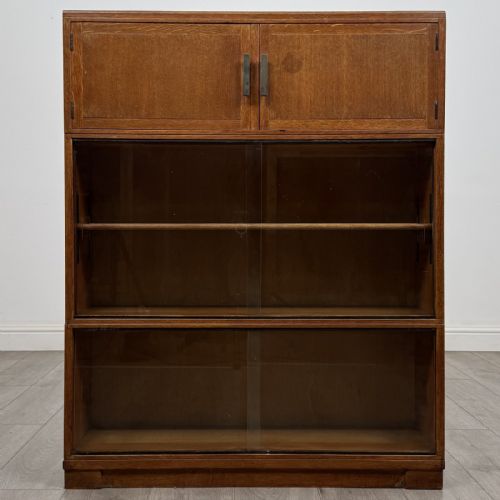
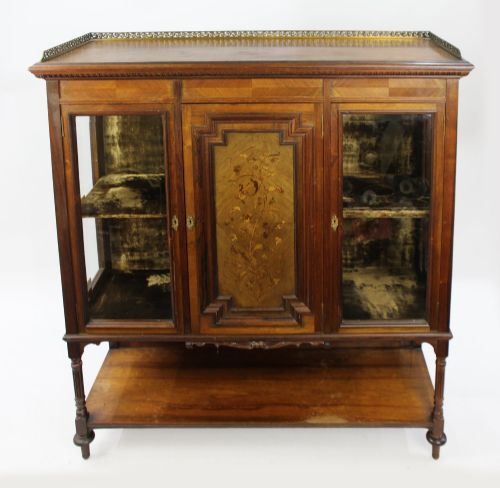
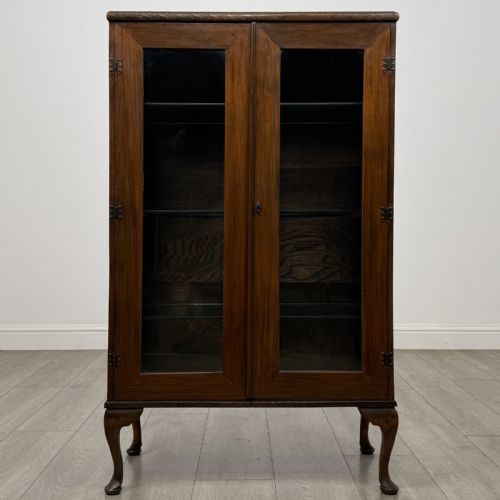
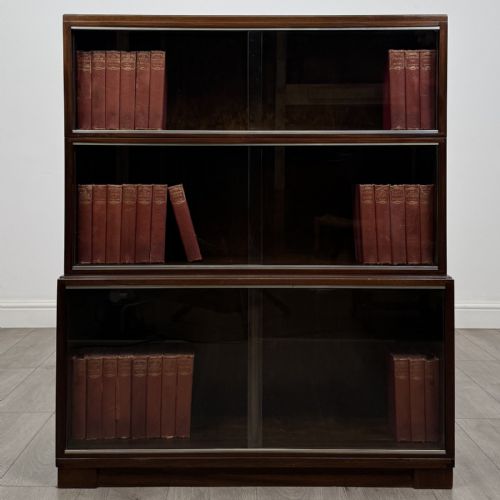
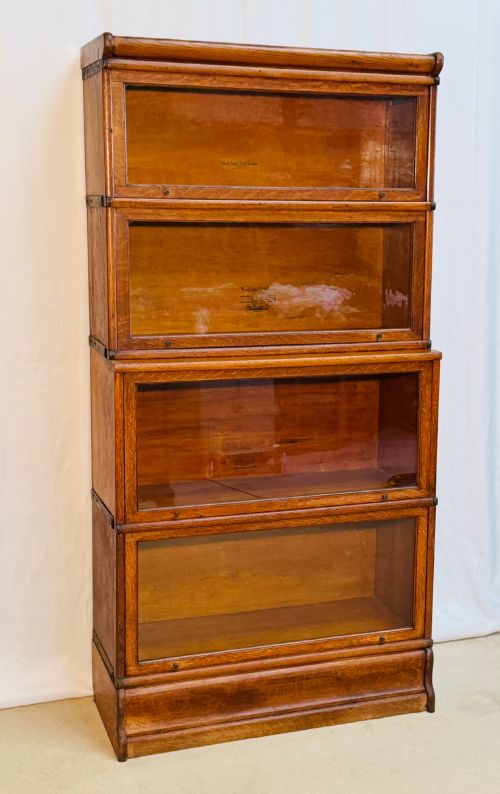
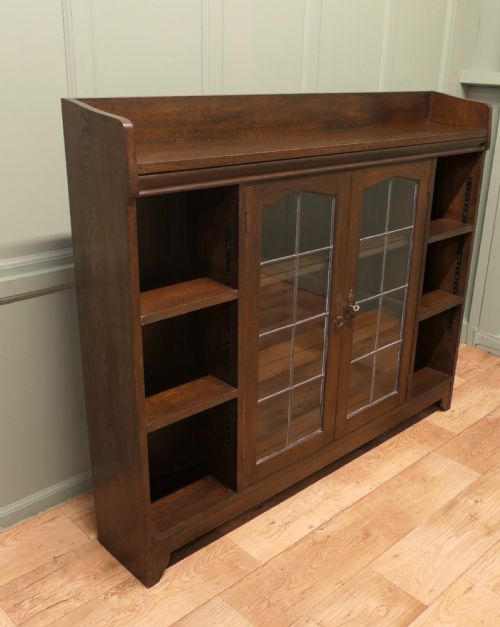
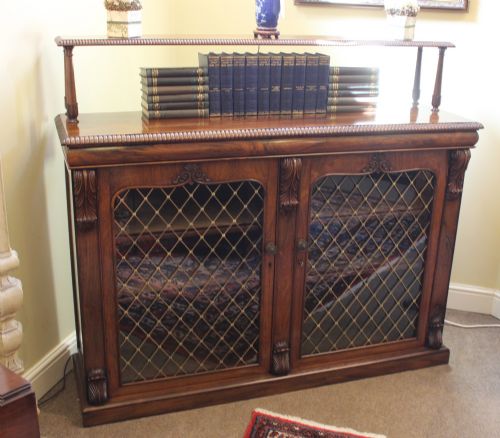
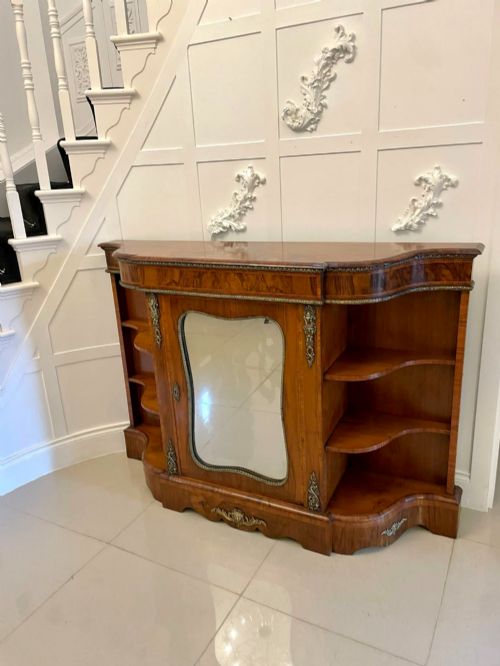
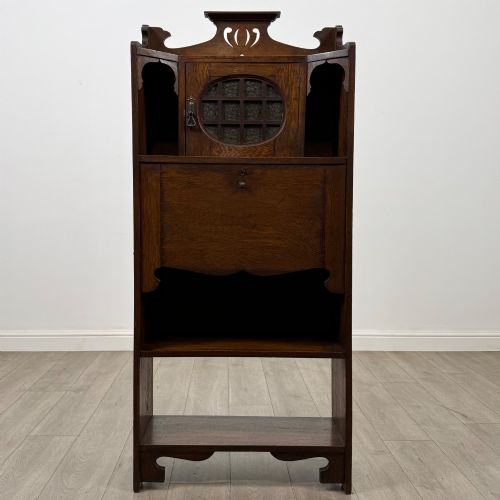
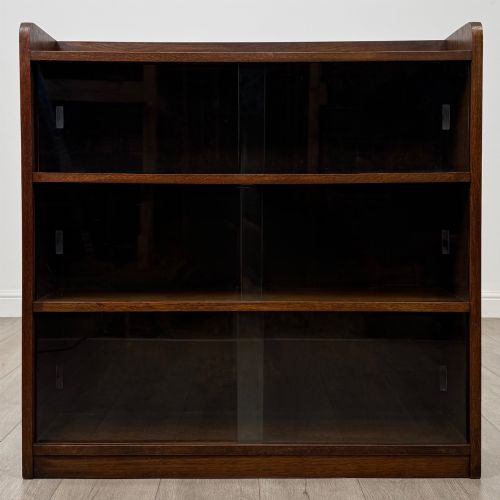
A glazed cabinet with shelves takes many forms across the nineteenth and early twentieth centuries, spanning straightforward oak bookcases, refined Edwardian mahogany display cabinets, and striking walnut credenzas.
The versions most common on this page are Edwardian and Victorian iterations, frequently featuring timber frames inlaid with contrasting woods or fitted with sliding glass doors.
Makers adapted these storage pieces for various domestic rooms, producing everything from compact pier cabinets to substantial sectional bookcases and Welsh dressers with glazed tops.
Materials and Construction
Cabinet makers relied primarily on dense hardwoods such as mahogany, oak, rosewood, and walnut, often embellishing surfaces with delicate satinwood inlay or ormolu mounts.
Transparent panels of glass form the primary viewing area of the doors, while interiors frequently incorporate adjustable wooden or glass shelves supported by brass fittings.
Glazed Cabinet with Shelves Retail Price Guide 2026
Typical asking prices for glazed cabinet with shelves among the pieces listed under this phrase on Sellingantiques today, from the lower quarter to the upper quarter. They describe what is for sale here now, not the wider market.
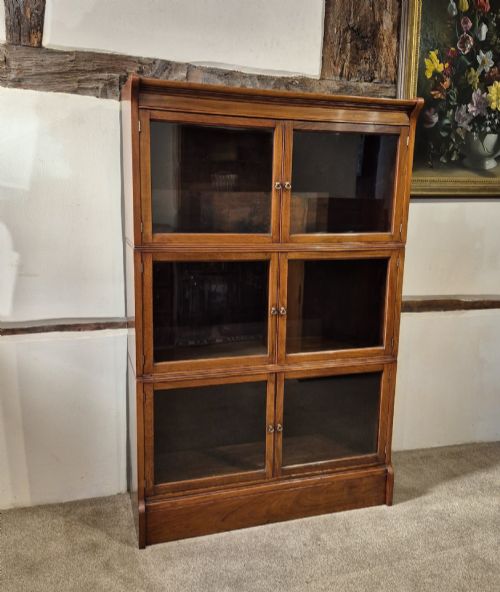
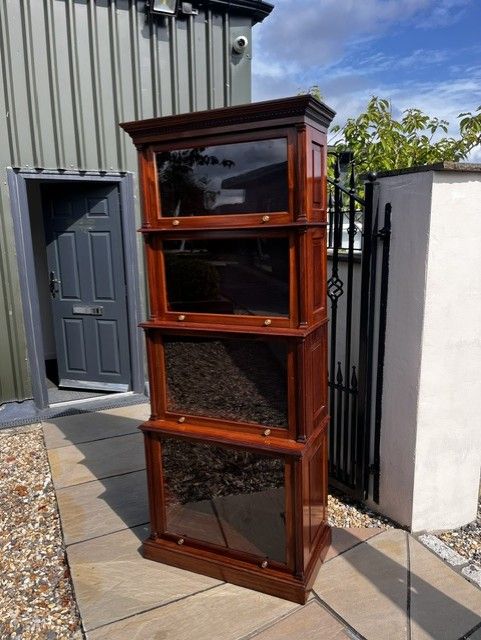
Up and over doors on early twentieth-century sectional bookcases allow readers to peer directly at their volumes through rising glass panes.
Gradations in Quality
Finer examples distinguish themselves through the precision of their timber selection, such as figured mahogany or rich tiger oak, paired with meticulous hand-inlay work.
Superior construction shows in robust joinery, smoothly operating doors, and adjustable shelving mechanisms that allow flexible arrangement of displayed objects.
Macey·Liberty·Tudor & Burrey·Maple & Co.·Druce & Co
The Glazed Cabinet with Shelves Glossary
- Credenza
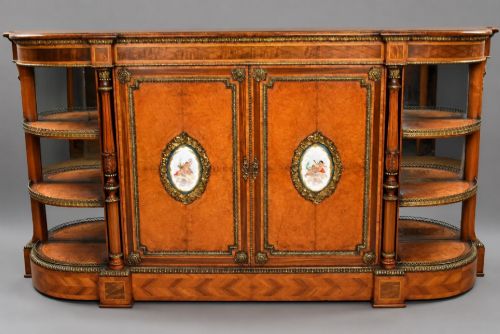
- A low cabinet, often featuring glazed doors or side compartments, developed for dining rooms and parlours during the Victorian era. It frequently stands on a plinth base.
- Pier Cabinet
- A narrow display piece designed specifically to fit the wall space between windows. These cabinets typically feature a single glazed door and timber shelves.
- Sectional Bookcase
- A modular storage unit composed of stackable tiers with up and over glass doors. This design gained popularity in the early twentieth century for offices and libraries.
- Bijouterie Cabinet
- A specialised display case with glass panels on top and sides, created for showing small valuables and curiosities. They often sit on slender legs.
- Breakfront
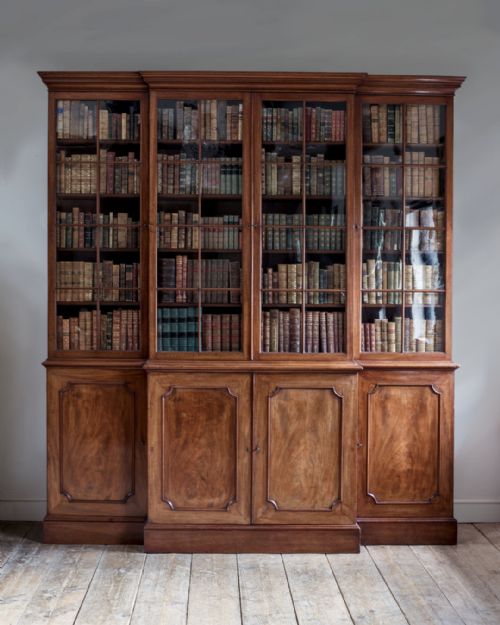
- A large cabinet design where the central section projects forward from the flanking wings. This architectural arrangement creates depth and visual interest in library bookcases.
Glazed Cabinet with Shelves: Frequently Asked Questions
How do I adjust wooden shelves inside an antique cabinet?
Many period cabinets use vertical timber racks or metal pins that slot into pre-drilled interior holes. Simply lift the shelf slightly to release it from the supports and reposition the brackets at the desired height.
Ensure the shelf rests evenly on all four supports to prevent wobbling when placing books or ceramics inside the unit.
Are glass shelves original to these older cabinets?
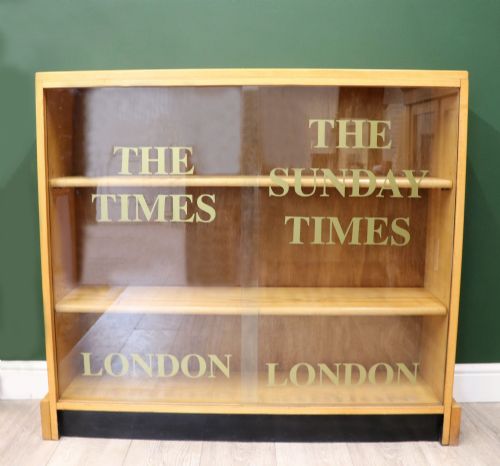
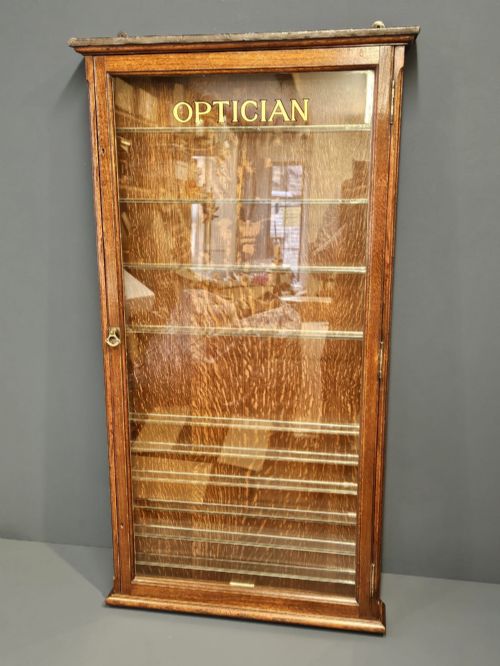
Some Edwardian shop display cases and refined cabinets originally featured thick plate glass to allow maximum light penetration. Heavier Victorian bookcases typically relied on solid timber shelving.
When glass shelves appear in older domestic pieces, they may represent later replacements designed to modern display standards.
What is the best way to maintain mahogany and walnut finishes?
Apply a microcrystalline wax periodically to nourish the timber and protect the polished surface from airborne moisture. Avoid silicone sprays, which can penetrate open grain and damage the original patina.
Keep wooden cabinets away from direct heat sources and strong sunlight to prevent the timber from warping or fading over time.
How do I identify an Edwardian display cabinet from a Victorian one?
Edwardian examples tend to exhibit lighter timbers like satinwood inlay, airier proportions, and neoclassical revival motifs. Victorian pieces generally favour heavier solid mahogany, walnut, or oak with deeper tones and more robust architectural cornices.
Looking at the construction of the backboards and drawer linings often helps confirm the manufacturing era.