
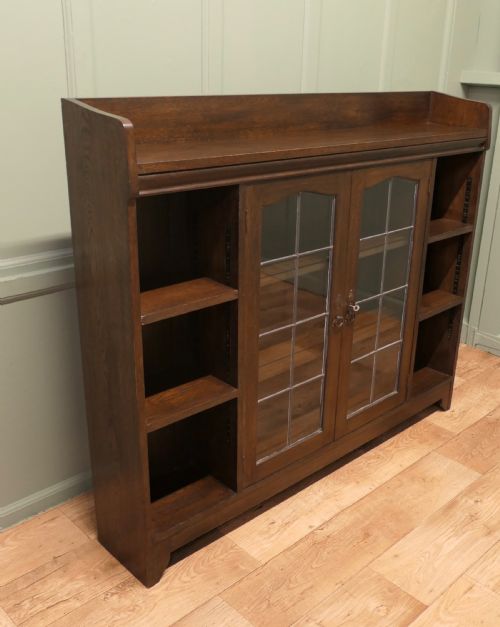
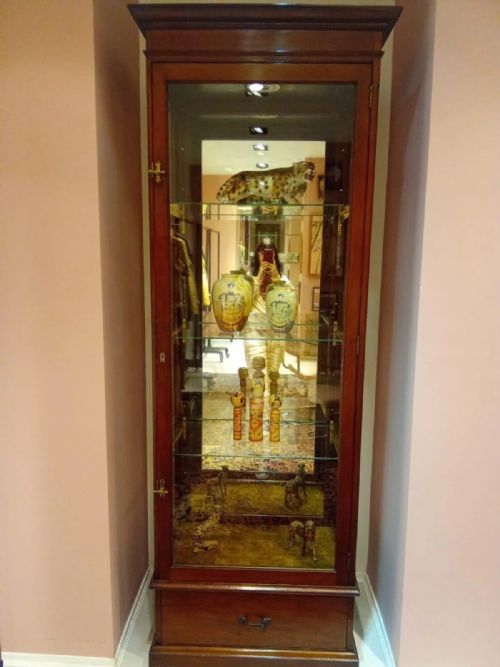


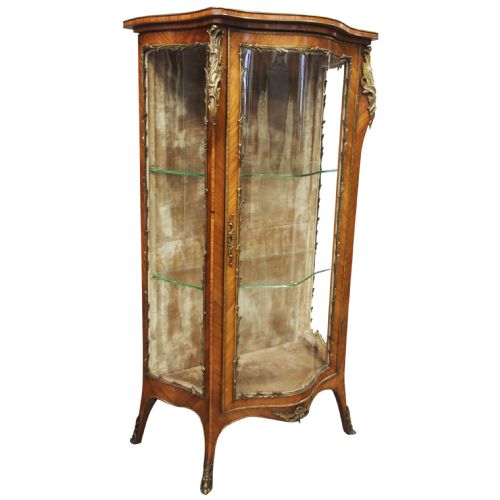

Glass Shelf Display Case
A glass shelf display case organises and protects treasured objects, and these pieces bring clear focus to any room.
Glass Shelf Display Case
When you search for a glass shelf display case, you encounter structures designed to hold and exhibit collections behind clear panes. The listings here present diverse forms, from retail counters and wall cabinets to tall floor-standing vitrines.
Origins span British domestic workshops, French cabinet makers, and Asian export studios. Certain pieces reflect commercial shop use, while others served grand residential interiors.
How they were made
Cabinet makers joined dense timbers such as mahogany, oak, and rosewood using traditional joinery methods. Frames were built to support heavy glass panels and shelves without warping.
Glazing involved lead, brass fittings, and ormolu mounts to secure the transparent panels. Interiors frequently incorporated mirrored glass backs and polished timber surfaces to reflect light.
Objects on this page include shop counters, wall display cabinets, and French four glass mantel clocks.
What varies in quality
The standard of timber selection and inlay work dictates the baseline quality of a cabinet. Superior examples employ carefully matched grain and precise mother of pearl or brass inlays.
Hardware execution and glazing integrity separate standard production from high workshops. Well-made pieces utilise robust brass hinges, substantial locks, and clean, flat glass panes.
John Stow Ltd·Thomas Justice And Sons·Liberty
The Glass Shelf Display Case Glossary
- Vitrine
- A glass-fronted cabinet or display case designed for fine objects and porcelain. The form originates from French design traditions.
- Ormolu
- Gilded bronze mounts applied to furniture for decoration. This technique adds metallic highlights to timber frames.
- Inlay
- Contrasting materials embedded into the surface of wood to form decorative patterns. Common materials include brass and mother of pearl.
- Adjustable shelving
- Internal ledges that can be moved to different heights using rack and pinion or support brackets. This allows flexible arrangement of displayed items.
Glass Shelf Display Case: Frequently Asked Questions
How do I clean the glass shelves?
Use a soft cloth and a gentle glass cleaner applied sparingly to avoid damaging the surrounding timber framework.
Ensure no liquid seeps into the wood joints or brass mounts during the cleaning process.
Were these cabinets made for shops?
Many examples originate from commercial environments such as pharmacies and retail counters. These commercial pieces typically feature robust construction designed for daily use.
Other variants were built strictly for residential drawing rooms and collector studies.
How do I date an Edwardian cabinet?
Edwardian pieces generally date from the early twentieth century and often display lighter mahogany timbers with subtle inlay work.
Construction techniques and retail provenance markers frequently help confirm this period.
Can shelves be adjusted?
Numerous cabinets feature adjustable glass internal shelving supported by brass brackets or wooden notches. This allows the display height to change according to the objects placed inside.
Fixed shelves also appear in specific traditional forms.