

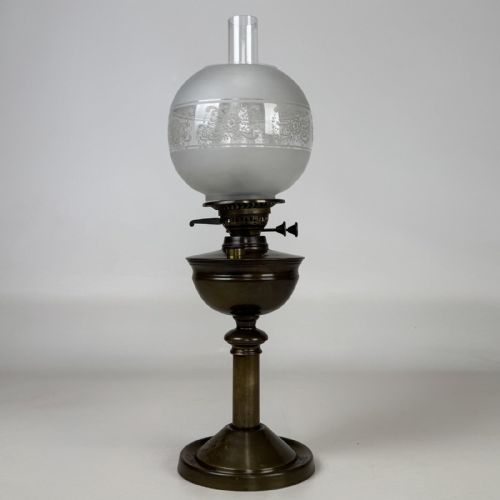
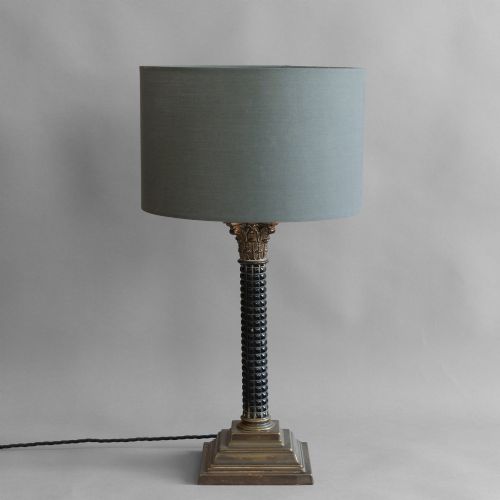
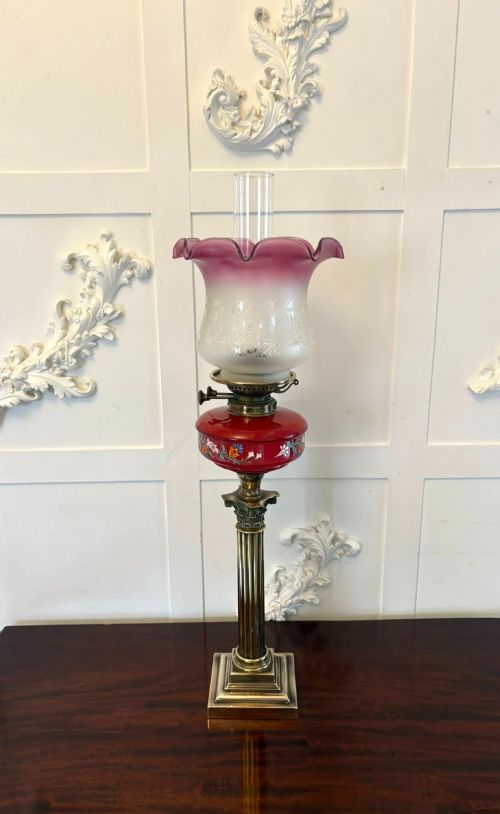
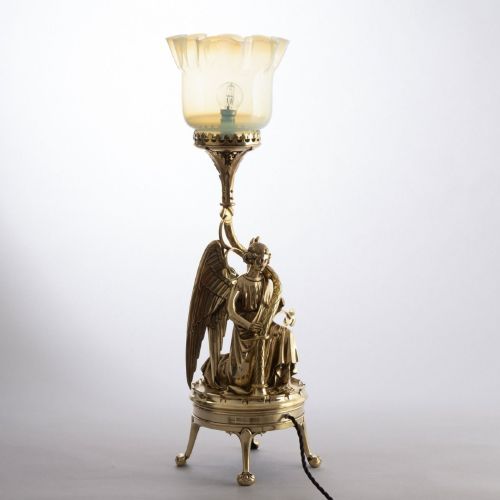
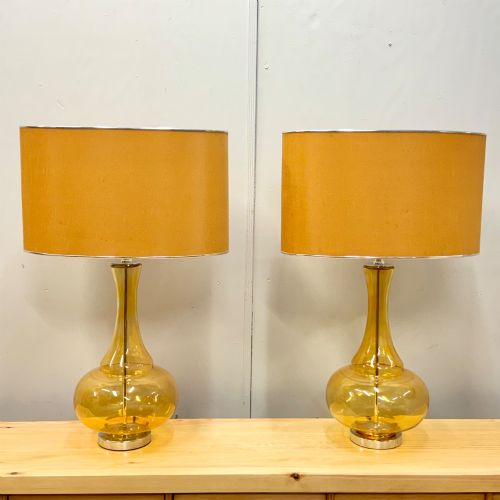
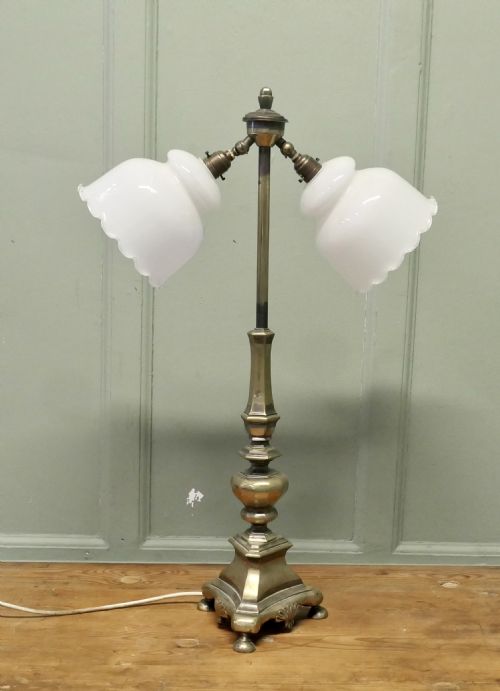
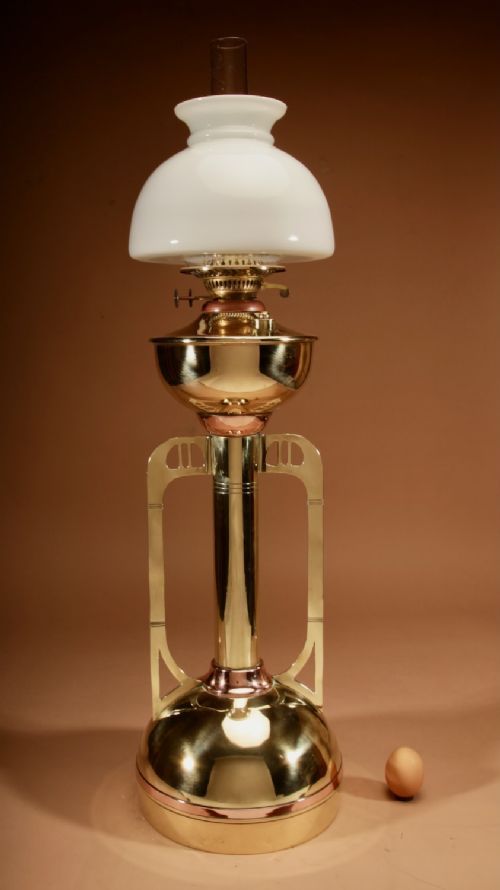
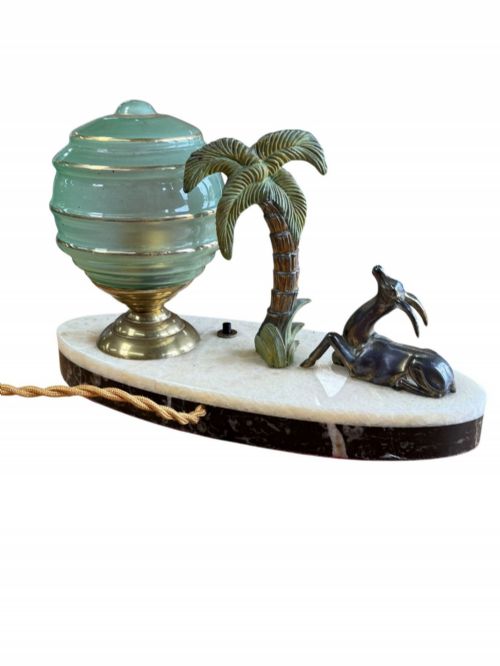
Glass Shade Desk Lamp
A glass shade desk lamp brings direct illumination and period character to a workspace, drawing on brass and frosted glass traditions.
Glass Shade Desk Lamp
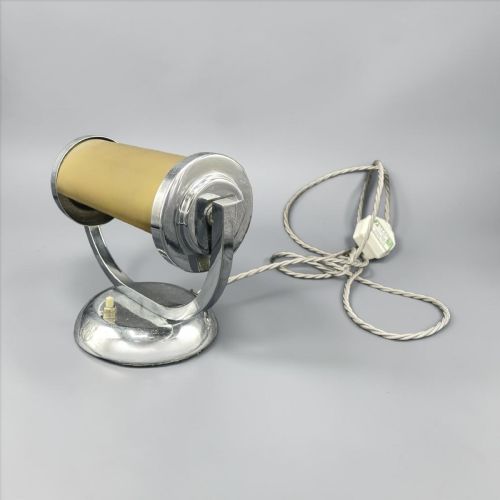
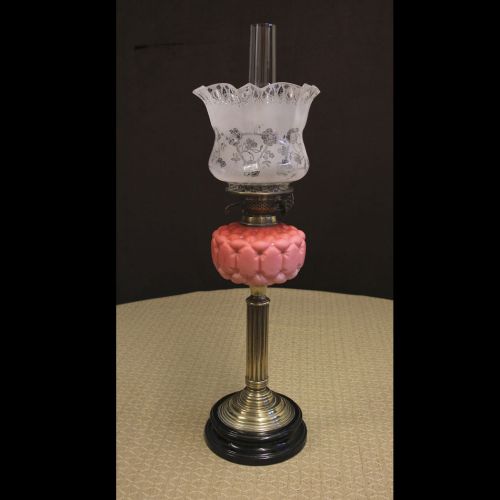
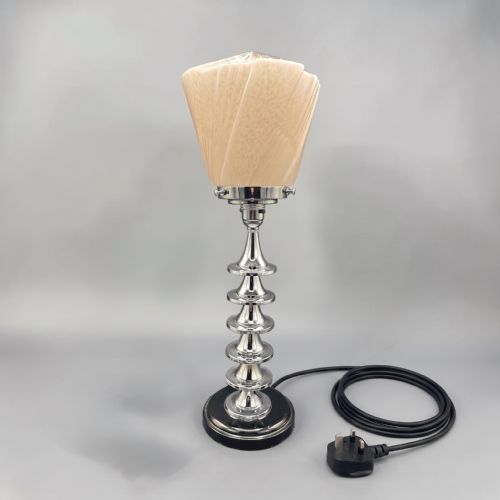
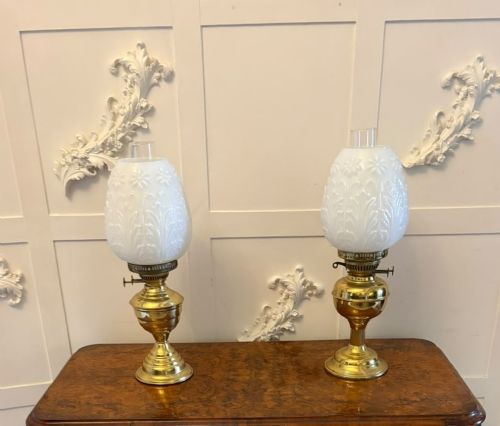
A glass shade desk lamp combines functional task lighting with decorative metal and glass elements, serving workspaces and reading areas. Buyers seeking this phrase encounter adjustable reading lamps, oil lamps converted to electricity, and sturdy desk lighting originating from the Victorian era through the Art Deco period.
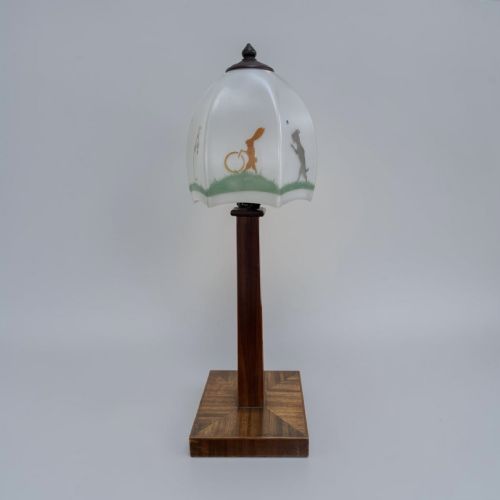
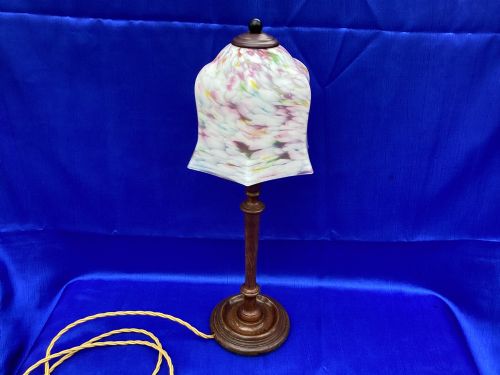
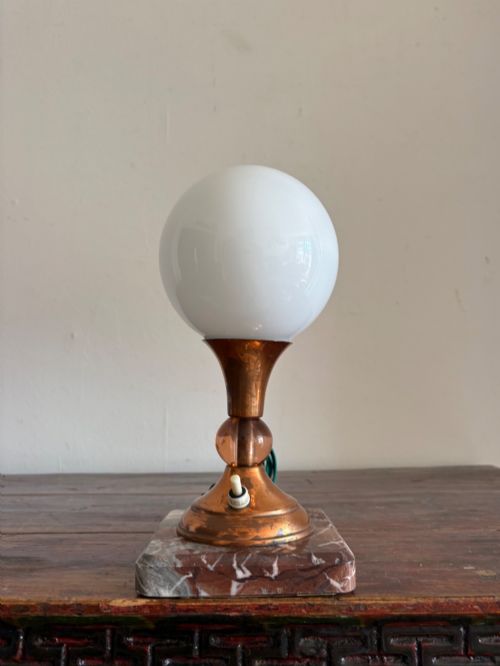
The selections on this page span from the late nineteenth century into the 1930s, featuring heavy brass bases, marble foundations, and distinctive glass shades. Common forms include swan neck desk lamps and twin angled reading fixtures alongside table lamps equipped with opaline, frosted, or cranberry glass components.
Many examples reflect prevailing historical designs, showing influences from Arts and Crafts, Art Nouveau, and French Neoclassical movements. These pieces range from simple utilitarian brass fixtures to elaborate figural and column lamps intended for prominent display on desks and tables.
How they were made
Construction relies heavily on durable metals like brass, copper, and nickel paired with various forms of glass. Makers shaped metal through turning, casting, and patination, creating stable bases and adjustable necks designed for daily utility.
Shades and fonts utilise specialised glass techniques, including opaline, frosted, cut crystal, and vaseline glass. These components were blown, moulded, or etched to diffuse light effectively while adding colour and texture to the completed lamp.
Glass Shade Desk Lamp Retail Price Guide 2026
Typical asking prices for glass shade desk lamp among the pieces listed under this phrase on Sellingantiques today, from the lower quarter to the upper quarter. They describe what is for sale here now, not the wider market.
Materials recorded across the inventory include opaline glass, cut crystal, vaseline glass, bronze, and oak.
What varies in quality
The standard of materials and physical substance distinguishes different tiers of these lamps. Weightier brass castings, substantial marble bases, and thick, well-finished glass shades indicate superior construction and greater longevity.
Refinement in mechanical details such as adjustable joints, swan neck articulation, and the crispness of turned or chased metal elements separates basic utility items from finer decorative examples.
Gustave Serrurier Bovy·Stuart Crystal·Muller Bros·Baccarat
The Glass Shade Desk Lamp Glossary
- Opaline glass
- A type of opaque or semi-translucent glass that is often white or pastel-toned, used frequently to soften and diffuse light in period lamp shades.
- Swan neck
- A curved metal arm allowing the lamp head to pivot and direct light downward, commonly found on early twentieth-century desk lamps.
- Vaseline glass
- A transparent or translucent yellowish-green glass containing uranium dioxide, which glows brightly under ultraviolet light and appears in Victorian and Edwardian lighting.
- Corinthian column
- A classical architectural column form utilised as the main upright shaft for traditional brass table and oil lamps.
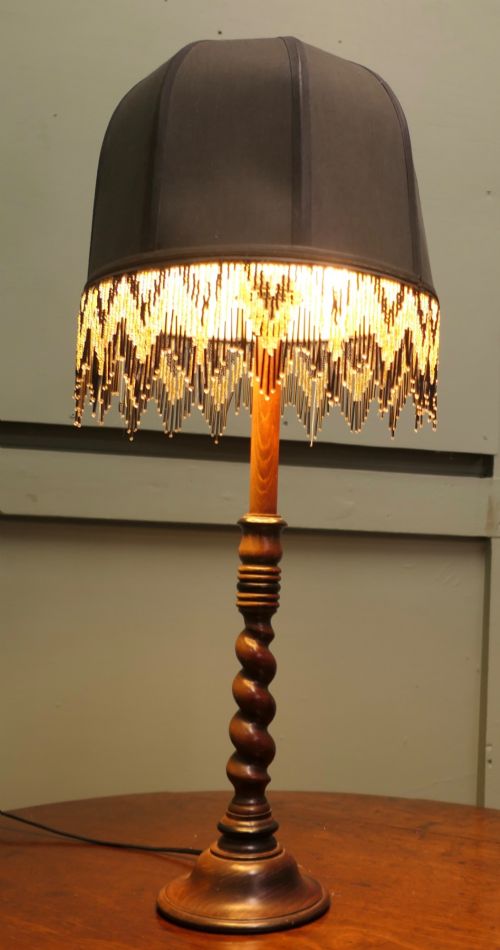
- Barley twist
- A spiral turning technique applied to wooden or metal lamp stems to create a decorative twisted profile.
Glass Shade Desk Lamp: Frequently Asked Questions
What is a glass shade desk lamp?
A glass shade desk lamp is a task or reading light featuring a glass diffuser paired with a metal or stone base, originating from nineteenth and early twentieth-century periods.
These pieces use adjustable arms or sturdy columns to direct illumination onto surfaces while incorporating decorative styles ranging from Victorian brass to Art Deco nickel.
How do I date a desk lamp?
Dating relies on observing material combinations, manufacturing techniques, and stylistic markers such as Art Deco geometric lines or Victorian brass casting.
Clues appear in the construction of switches, the weight of the metal, and the specific type of glass shade fitted to the lamp body.
Were these lamps originally electric?
Many early examples were manufactured as oil or paraffin lamps before being converted to electricity during later twentieth-century updates.
Purpose-built electric desk lamps emerged around the early twentieth century, featuring wiring channels and swan neck adjustments designed for incandescent bulbs.
How do I care for a brass lamp?
Maintenance involves dusting with a soft dry cloth and avoiding harsh chemical polishes that can strip original patination from the metal surfaces.
Glass shades can be removed and washed gently in warm soapy water to clear away dust while protecting delicate etched or frosted finishes.