




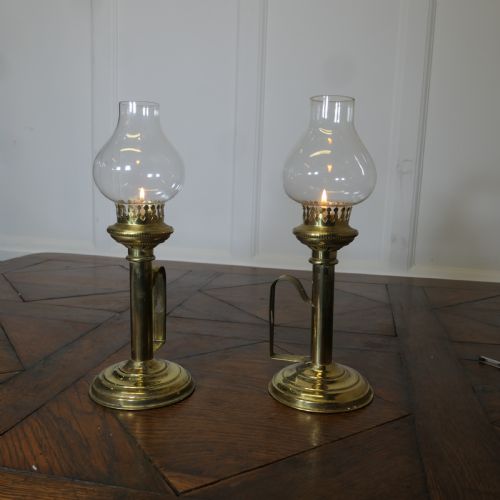
Glass Shade Candlesticks
Glass shade candlesticks bring together metal and glass to throw a warm light across a room, rewarding a careful look at the materials.
Glass Shade Candlesticks
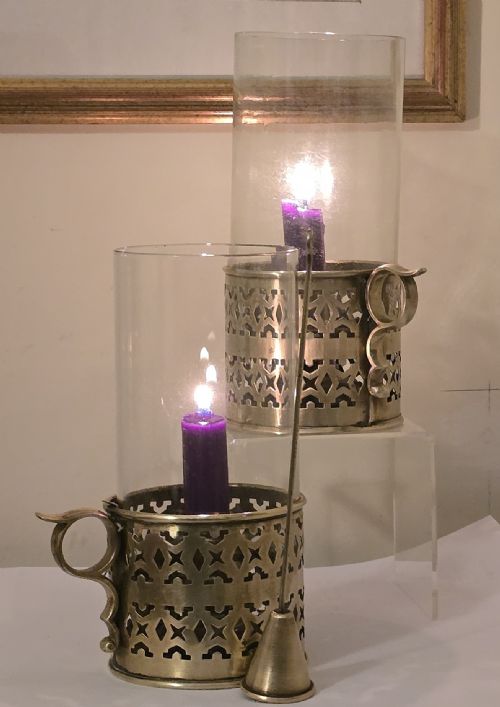
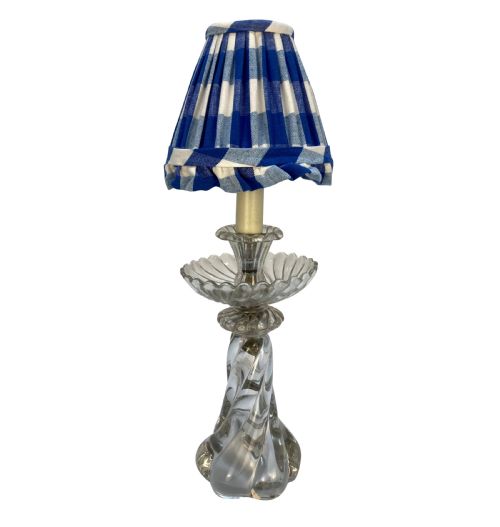
Glass shade candlesticks combine upright metal supports with protective or decorative glass elements, ranging from simple candle lamps to complex table lights. When searching for glass shade candlesticks, a buyer meets various configurations including chimneys, storm shades, and satin glass peg oil lamps.
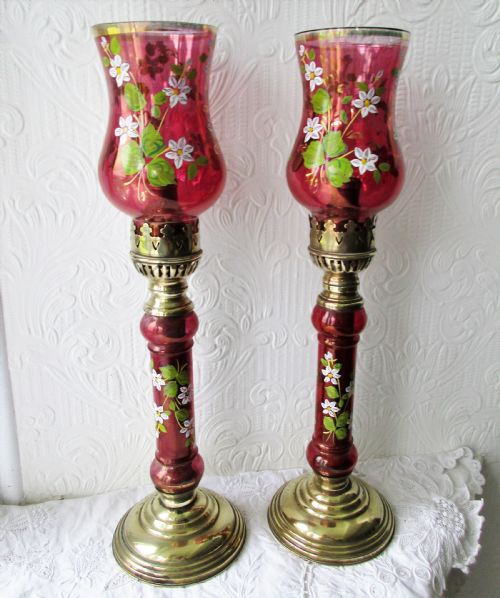
The pieces on this page span the nineteenth and early twentieth centuries, drawing on Victorian, Edwardian, and Art Deco styles. Most examples pair turned or galleried brass with clear, cranberry, or satin glass components.
Origins stretch across English, French, and German workshops, demonstrating diverse approaches to combining metal bases with delicate glass shades. These items served practical lighting needs in period homes before electricity took over, which explains the presence of candle fittings alongside early oil mechanisms.
How they were made
Makers constructed the structural bases of these pieces from cast and turned brass, silver plate, and gilt metal, providing a sturdy foundation for the glass components. Workers shaped the metal using traditional lathe turning and casting techniques to achieve standard forms.
The glass elements include blown chimneys, moulded peg fonts, and satin glass shades, sometimes finished with enamel decoration. Artisans joined the delicate glass shades and chimneys directly to metal galleries or fitted them securely into brass mounts.
Glass Shade Candlesticks Retail Price Guide 2026
Typical asking prices for glass shade candlesticks among the pieces listed under this phrase on Sellingantiques today, from the lower quarter to the upper quarter. They describe what is for sale here now, not the wider market.
A double helix brass stem brings a subtle twist to standard nineteenth-century table lighting.
What varies in quality
Quality rests on the weight of the metal casting and the precision of the turned brass work, where heavier sections signal better craftsmanship. Superior pieces display crisp detailing on galleries and mounts rather than soft or indistinct casting lines.
The character of the glass itself dictates the upper tier of the range, particularly with coloured cranberry glass or tactile satin finishes. Clean, uniform blowing in chimneys and shades separates finer workshop output from more utilitarian production.
The Glass Shade Candlesticks Glossary
- Chimney
- A tall, cylindrical glass tube placed over a flame to steady the draught and protect the surrounding area. These were essential components for indoor lighting before the widespread adoption of electric bulbs.
- Peg lamp
- A small oil lamp featuring a tapered lower fitting designed to drop straight into the socket of a candlestick. This clever arrangement allowed standard candlesticks to be converted into functional oil lamps.
- Mantle lustre
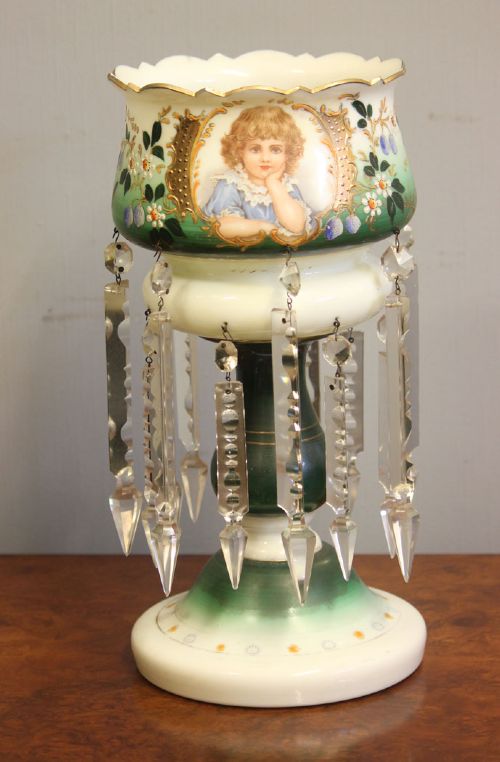
- An ornamental glass or metal stand hung with crystal prisms, often paired with matching candlesticks on a mantelpiece. They catch and reflect candlelight to brighten dark Victorian parlours.
- Satin glass
- Glass treated with hydrofluoric acid or sandblasting to create a velvety, matte surface texture. It gained immense popularity during the Victorian period for decorative lamps and tableware.
- Gallery
- A raised metal collar or basket pierced with decorative openings to hold a glass shade or chimney securely in place. It forms a neat junction between the metal base and the glass top.
Glass Shade Candlesticks: Frequently Asked Questions
How were these lamps used?
Households used them on tables, sideboards, and mantelpieces to provide steady illumination before electric lighting became standard in domestic spaces. The glass chimneys and shades protected the flame from draughts and helped direct the light downward.
Many designs could burn oil or hold candles, allowing owners to move the portable lights from room to room as daylight faded.
How do I date a brass and glass lamp?
Dating relies on examining the manufacturing techniques, metal alloys, and glass styles present in the piece. Victorian examples often feature heavy turned brass and satin glass, while later pieces adopt Edwardian or Art Deco lines.
Maker marks, where present, help pinpoint origin and age, though many nineteenth-century domestic lighting items remain unmarked.
How do I care for glass shade candlesticks?
Gentle cleaning with warm soapy water suits the glass components, keeping abrasive materials away from enamel or satin finishes. Metal parts require only a soft cloth to preserve their natural patina.
Keeping the pieces away from high-traffic edges prevents accidental knocks to the delicate glass shades and chimneys.