




Glass Pepper Pot
A glass pepper pot brings character to the dining table, combining practical function with the tactile weight of cut glass and precious metal.
Glass Pepper Pot
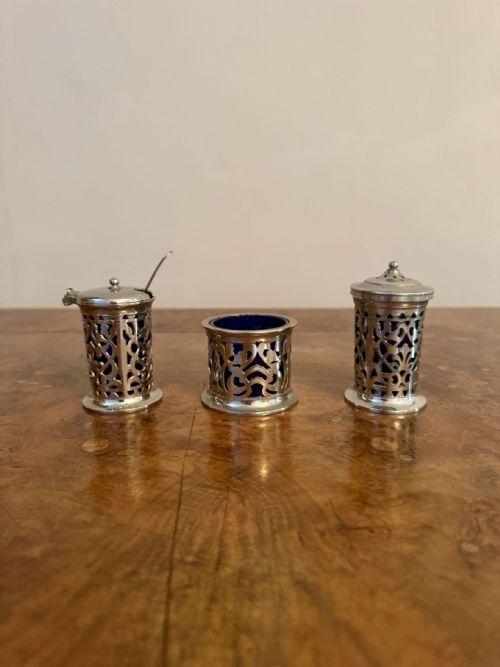
A glass pepper pot is a small tabletop container designed to dispense ground pepper through a pierced top. These items appear across various historical periods, frequently taking the form of standalone vessels or components within larger dining assemblies. When searching for a glass pepper pot, buyers encounter diverse iterations spanning from the Victorian era through the mid-twentieth century.
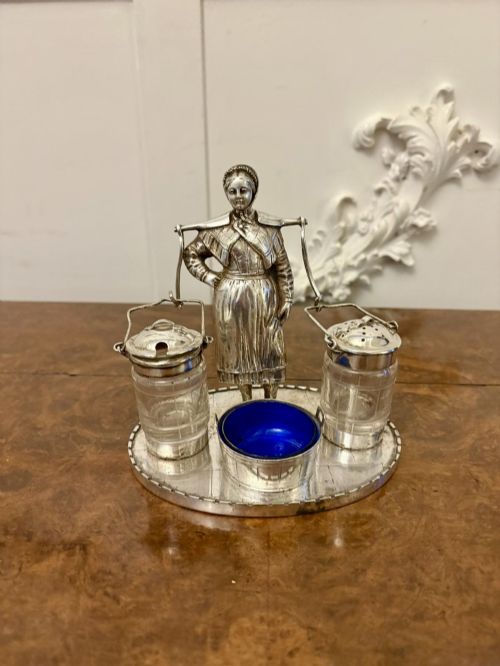
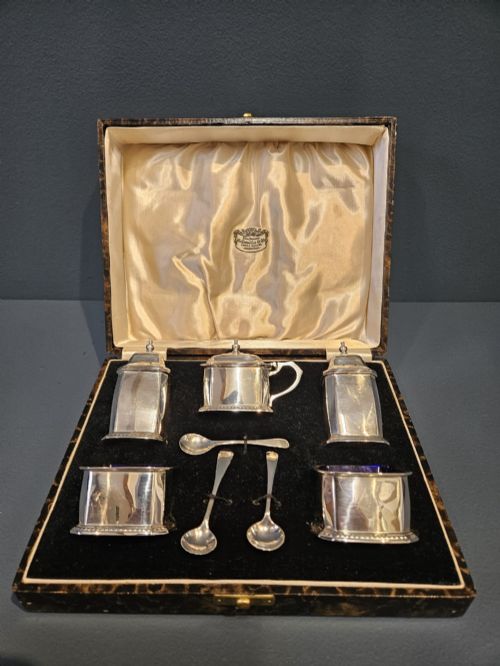
Many examples on this page form part of wider cruet sets or condiment collections rather than appearing in isolation. Materials commonly pair transparent or coloured glass bodies with silver plate, sterling silver, or pewter mounts. The forms range from straightforward utilitarian vessels to inventive novelties shaped as animals or objects.
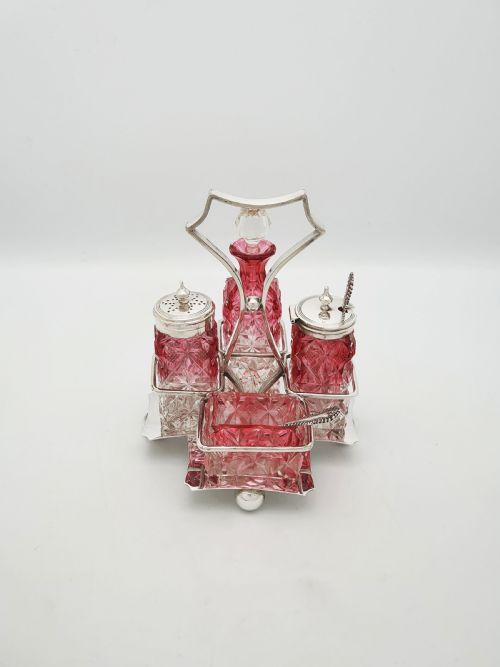
The origins of these pieces trace back through Edwardian, Victorian, and Georgian traditions of dining table arrangement. Makers utilised cobalt glass, cranberry flashed glass, and clear cut glass alongside metal elements to create functional ornaments. These vessels reflect the changing domestic habits and dining table aesthetics of successive British periods.
How they were made
Makers produced the glass components of a pepper pot using methods such as moulding, blowing, and hand cutting. Cut glass designs required skilled artisans to grind geometric patterns into the surface, catching the light and adding texture to the vessel. Coloured varieties, including cobalt and cranberry flashed glass, relied on specific chemical compounds added during the melting process.
Metal mounts, lids, and frames were fabricated from sterling silver, silver plate, or pewter, often shaped with cast or stamped decorative motifs. Pierced tops for dispensing pepper were carefully drilled or punched into the metal caps. These metal elements were then fitted securely to the glass bodies, frequently secured with threaded collars or cork seals.
Glass Pepper Pot Retail Price Guide 2026
Typical asking prices for glass pepper pot among the pieces listed under this phrase on Sellingantiques today, from the lower quarter to the upper quarter. They describe what is for sale here now, not the wider market.
Some Victorian pepper pots take the form of miniature owls and dogs, watching over the dinner table with glass eyes.
What varies in quality
The distinction between standard and superior pieces rests on the weight and clarity of the glass and the execution of the metalwork. Finely cut glass shows sharp, crisp facets without surface blurring, while better silver mounts display well-defined casting and secure construction. Novelty designs depend heavily on the sculptural detail of the form, such as the feather work on bird-shaped pots or the realism of animal figures.
Makers' marks stamped into the silver components offer a reliable indicator of origin and workshop standards. Pieces assembled by established silversmiths exhibit tighter tolerances between the glass and metal parts, ensuring a balanced feel in the hand. The integration of the pepper pot within a matching cruet frame or fitted case also influences the overall cohesion of the set.
A. J. Pepper & Co·William Neale·Mappin Brothers·Charles Stuart Harris
The Glass Pepper Pot Glossary
- Cruet set
- A matched collection of bottles, jars, and pots for holding condiments like oil, vinegar, salt, pepper, and mustard. These assemblies typically sit within a dedicated metal or wooden frame.
- Condiment set
- A grouped assortment of tabletop vessels used for serving various seasonings and sauces during a meal. The set frequently includes a pepper pot alongside a mustard pot and salt cellar.
- Cranberry glass
- A transparent red glass produced by adding gold chloride to the molten batch. It appears often in Victorian and Edwardian tableware.
- Cobalt glass
- A deep blue glass created by the addition of cobalt oxide to the mixture. This vibrant material was widely utilised for decorative condiment liners and bottles.
- Silver plate
- A manufacturing method where a thin layer of silver is bonded to a base metal such as copper or nickel brass. It provided an accessible alternative to solid sterling silver for domestic tableware.
Glass Pepper Pot: Frequently Asked Questions
What is a glass pepper pot?
A glass pepper pot is a small vessel designed to hold and sprinkle ground pepper at the dining table. They are typically topped with a pierced silver or metal lid.
These pieces range from simple standalone containers to intricate components of larger silver-mounted condiment sets spanning the Victorian and Edwardian periods.
How do I clean an antique pepper pot?
Cleaning requires gentle warm water and mild soap to protect both the glass body and the historic metal mounts. Avoid harsh abrasives that can scratch silver plate or cut glass surfaces.
Dry the metal components thoroughly after washing to prevent moisture damage or tarnishing on the silver and pewter elements.
How do I date a silver mounted pepper pot?
Dating relies heavily on hallmarks stamped into the silver components, which indicate the assay office, maker, and year of production. Stylistic clues such as cut glass patterns and overall form also point to specific eras like the Victorian or Edwardian periods.
Unmarked silver plated items can be dated approximately by their manufacturing style, frame design, and the type of glass used in the body.