



Glass Mirror Tray
A glass mirror tray brings a brilliant reflective surface to your dressing table or cocktail hour, catching the light with effortless glamour.
Glass Mirror Tray
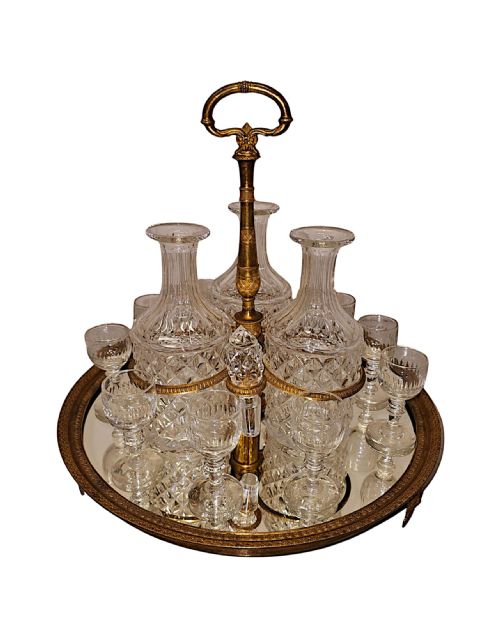
When you search for a glass mirror tray, you are looking at practical display pieces designed to hold decanters, perfume bottles or cocktail glasses while amplifying the light in a room. The selections on this page span several decades, ranging from nineteenth-century French and Victorian pieces to early twentieth-century examples.
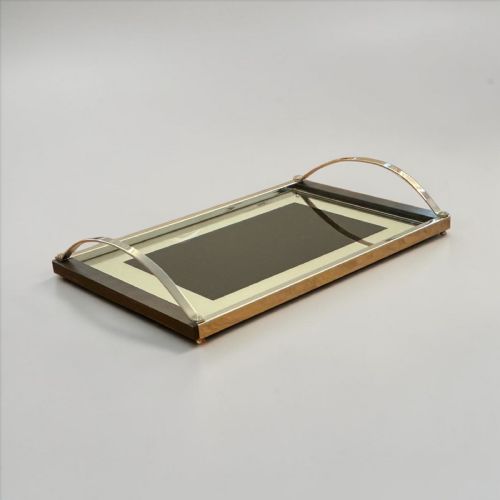
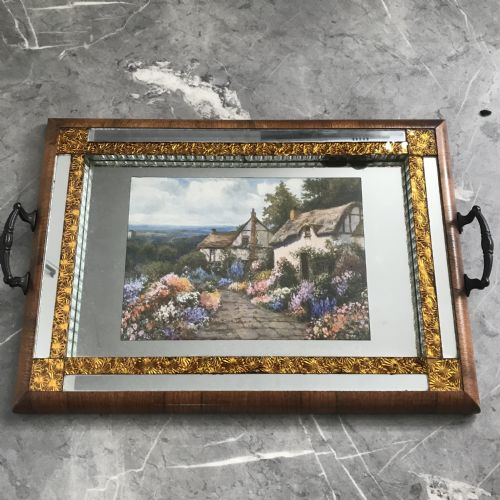
You are most likely to meet Art Deco iterations alongside Venetian and French styles, often featuring mirrored glass bases paired with chrome, silver plate, copper, walnut veneer or metal frames. Forms vary from drinks trays and wine trays to jeweller's table plateaus and display stands.
Origins stretch across European workshops, including Italian Murano production and Czech manufacture alongside domestic British and French items. Each piece serves to elevate the objects placed upon it by reflecting them upwards.
How they were made
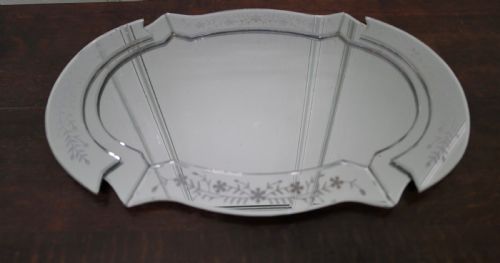
Makers constructed these items using heavy mirror glass or cut glass bases set into sturdy frames of metal, silver plate, or wood such as walnut veneer. Techniques included hand etching the reflective surface and securing panels with specialist mounts.
Edges were frequently bevelled or cut to catch the light, while handles in chrome or copper were securely attached to support the weight of glassware. Materials like ormolu and cobalt blue glass appear in select periods to add decorative contrast.
Glass Mirror Tray Retail Price Guide 2026
Typical asking prices for glass mirror tray among the pieces listed under this phrase on Sellingantiques today, from the lower quarter to the upper quarter. They describe what is for sale here now, not the wider market.
Listings include items spanning the nineteenth century through to the nineteen-thirties, featuring glass, chrome, silver plate, and walnut veneer.
What varies in quality
Quality reveals itself in the weight of the metal frame and the clarity of the mirror glass rather than superficial ornamentation. Superior examples display crisp bevels, substantial silver plating or solid bronze ormolu mounts, and tightly fitted wooden backs.
The sophistication of the etching and the integrity of the joints distinguish standard utility items from finer display pieces. Better execution ensures the reflective plate remains securely seated within its structural surround.
Mosey
The Glass Mirror Tray Glossary
- Mirror plateau
- A mirrored table centrepiece originally used to display silver or glassware on a dining table.
- Cave à liqueur
- A portable liqueur set housed in a fitted case, often incorporating decanters and glasses.
- Ormolu
- Gilt bronze mounted as decorative trim on nineteenth-century furnishings and luxury objects.
- Bevel
- An angled edge cut along the perimeter of glass to catch and refract light.
- Venetian glass
- Glassware originating from the islands of Venice, known for delicate decorative techniques.
Glass Mirror Tray: Frequently Asked Questions
What is a glass mirror tray used for?
These trays were traditionally employed to serve liqueurs or present perfume bottles, decanters, and cocktail glasses on sideboards or dressing tables. The reflective surface was designed to enhance the sparkle of crystal and glass.
Today, they function well as decorative centrepieces or vanity organisers in both traditional and modern interiors.
How do I date an Art Deco tray?
Art Deco pieces from the nineteen-thirties typically feature geometric lines, streamlined metal handles in chrome or copper, and sometimes walnut veneer frames. Etched motifs from this era often lean towards abstract or stylized floral patterns.
Comparing the framing materials and glass thickness against known periods helps narrow down the decade of production.
Are these trays suitable for serving drinks?
Most examples with sturdy metal or wooden frames and secure handles can safely support decanters and glasses. It is wise to consider the weight distribution and the condition of the base when lifting.
Using them for display alongside occasional service keeps the historical mirrored surface protected from heavy impact.
What is a table plateau?
A table plateau is a heavy stationary mirrored tray, often Victorian or nineteenth-century French, placed centrally on a dining table. They were used to elevate centrepieces and reflect candlelight.
Unlike portable drinks trays, plateaus are typically built with substantial frames to support heavy porcelain or silver displays.