

Glass Hallway Light
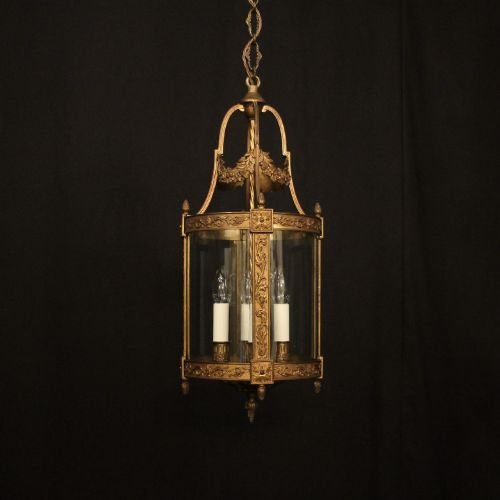
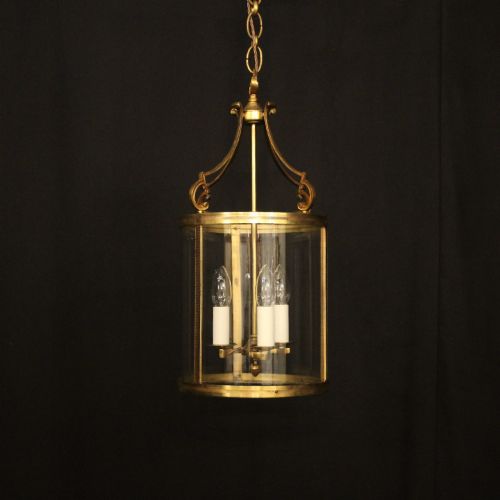
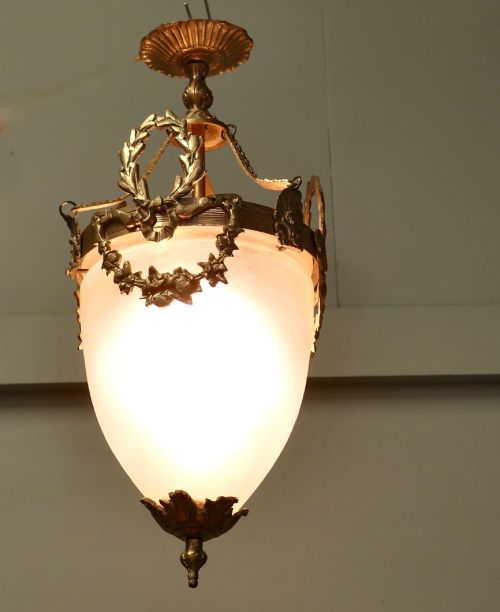
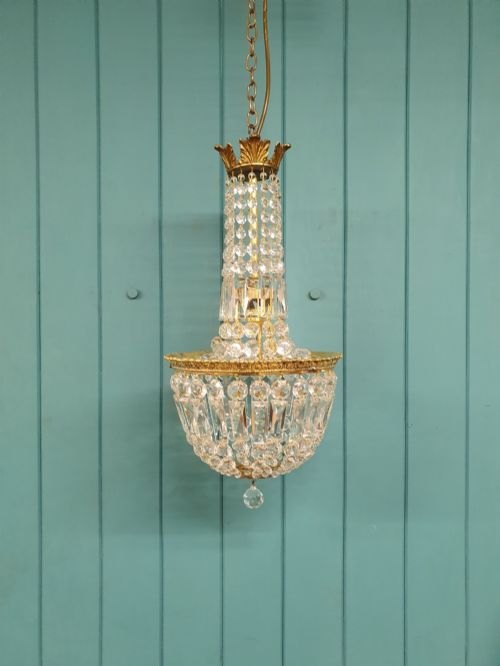
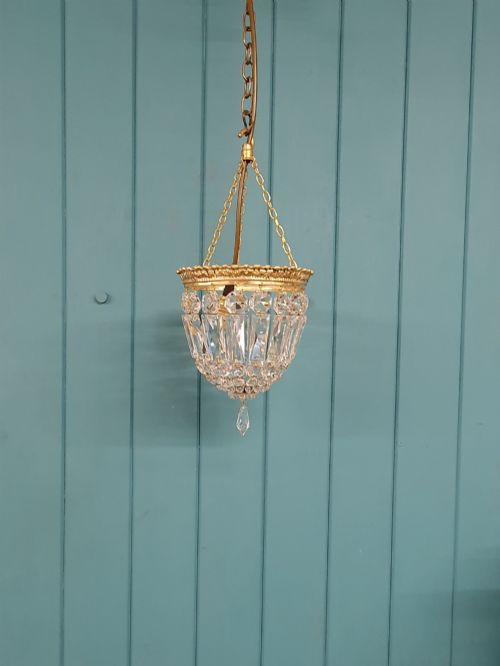
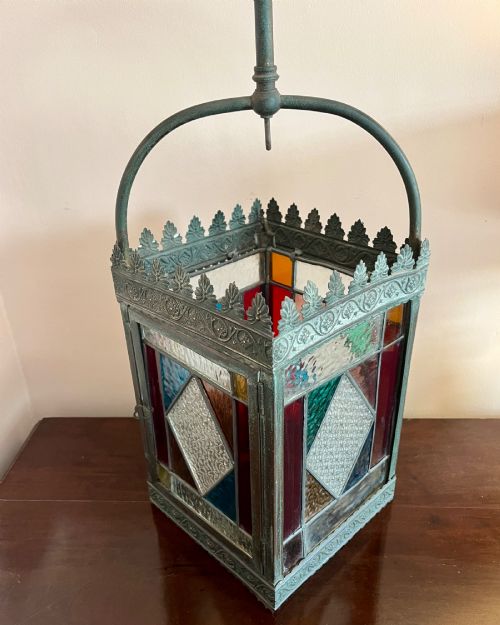
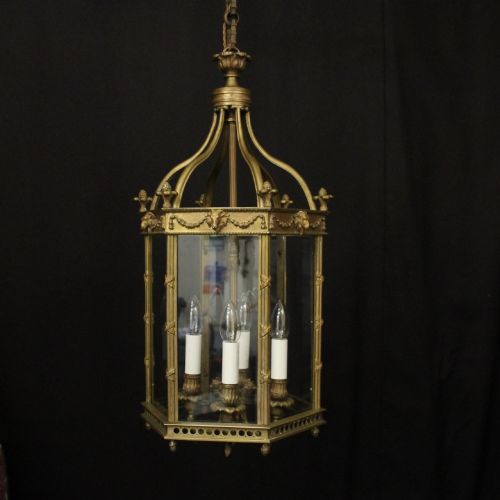
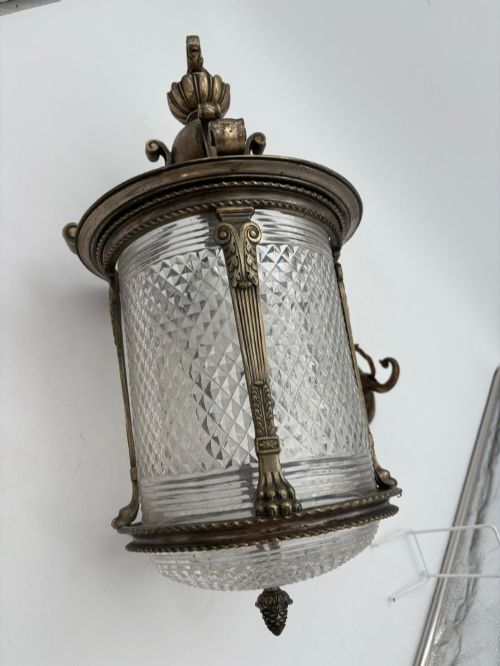
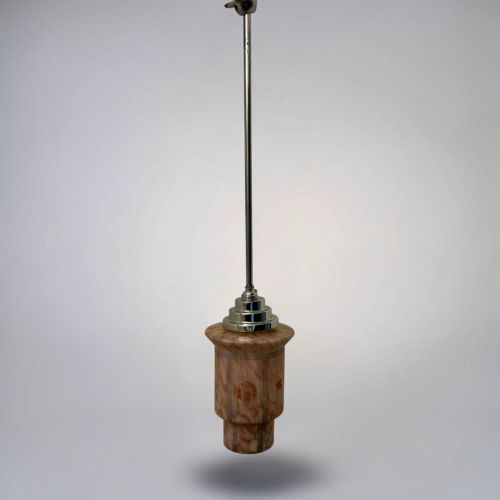
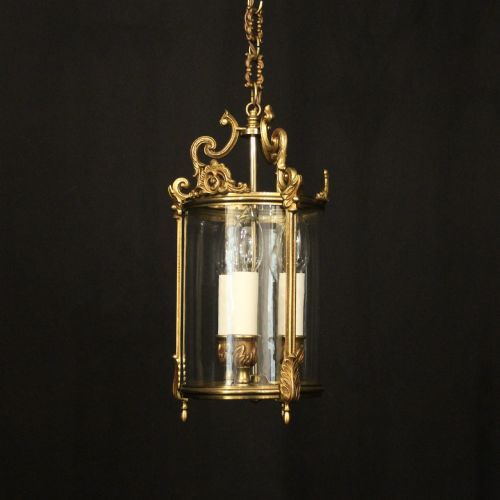
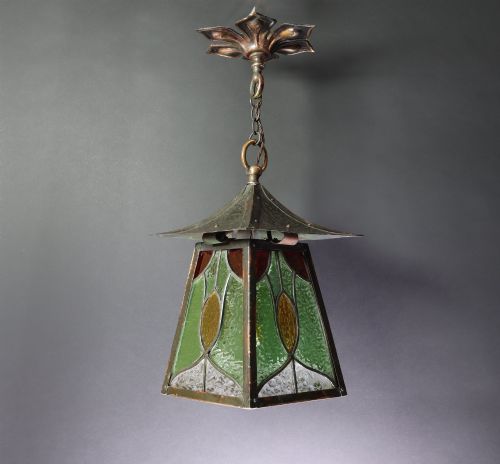
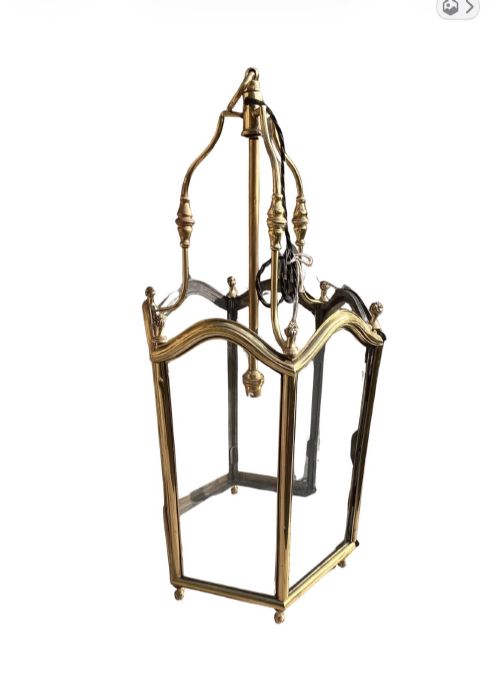
A glass hallway light brings immediate focus to an entranceway, casting patterned illumination through period brass and crystal frames.
Glass Hallway Light
A glass hallway light comprises hanging lanterns, pendant lights, and small chandeliers designed specifically to illuminate entrance passages and vestibules. These fixtures span the nineteenth century through the 1930s, encompassing Victorian, Edwardian, and Art Deco aesthetics alongside French styles.
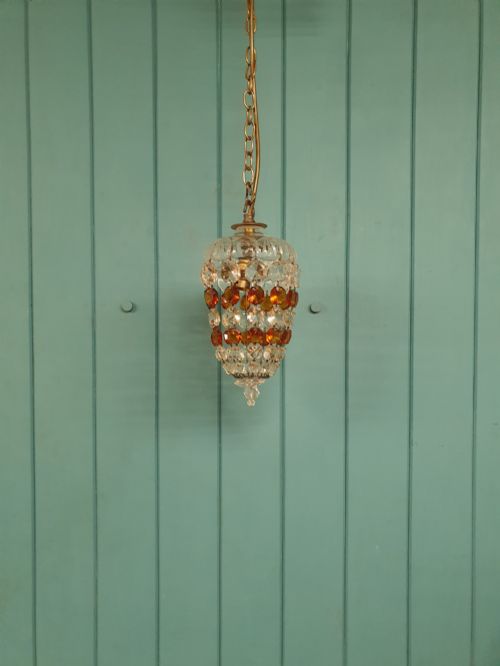
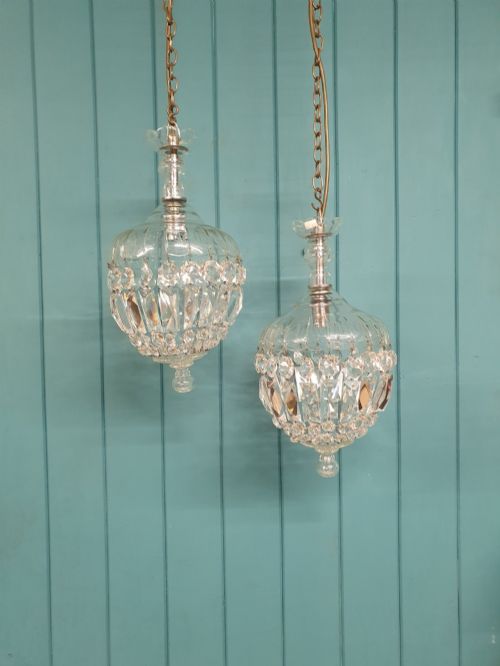
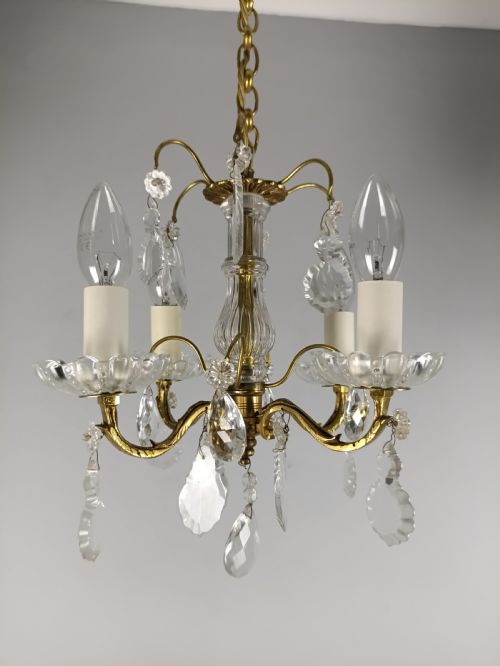
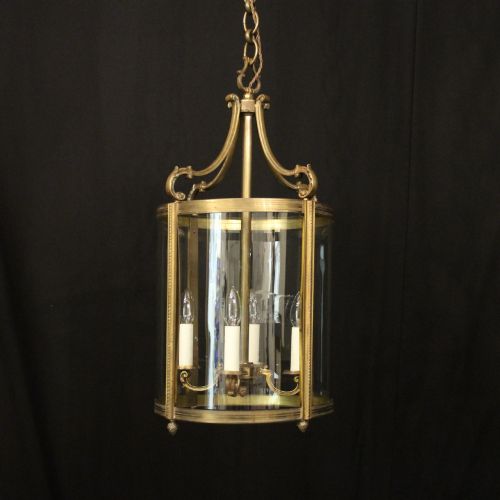
The most common examples on this page are brass-framed lanterns and compact crystal or cut glass chandeliers dating from the Edwardian era and the 1920s. Buyers frequently encounter hexagonal, dome-top, and bag-style forms suspended by chains or mounted closely to ceilings.
Origins stretch from English workshops to French chateau designs, incorporating Arts and Crafts simplicity and ornate Rococo or Neo-Classical detailing. Each piece reflects the architectural scale of the hallway it was originally cast to inhabit.
How they were made
Construction relies heavily on structural metals such as brass, bronze, copper, and wrought iron forming rigid frames. These metal skeletons are soldered, riveted, or cast to hold individual panes of glass securely.
Glazing materials include leaded glass, stained glass, moulded glass, cut glass, and plain glass panels. Crystal drops and glass beads are frequently wired into intricate bag chandeliers and pendant arrangements.
Wiring and electrification methods reflect the transition from early candle and gas lighting to twentieth-century electric fittings. Many lanterns retain heavy brass canopies and chains designed to bear the considerable weight of glass and metal combined.
Glass Hallway Light Retail Price Guide 2026
Typical asking prices for glass hallway light among the pieces listed under this phrase on Sellingantiques today, from the lower quarter to the upper quarter. They describe what is for sale here now, not the wider market.
One listed brass wall lantern spent its working life illuminating the corridors of the Savoy Hotel in London.
What varies in quality
The density and clarity of the glass or crystal differentiate standard production from finer work. Deeply cut glass, heavy cast bronze, and complex leaded or bevelled panels indicate superior manufacture.
Structural integrity reveals itself in the weight of the metal frame and the precision of the joinery. Thicker brass castings and hand-finished mounts hold their alignment and resist distortion over decades of use.
The Glass Hallway Light Glossary
- Bag chandelier
- A compact light fixture featuring a flat back and a rounded, bag-like cascade of glass beads and prisms. They fit closely against hallway ceilings.
- Hall lantern
- An enclosed hanging light designed to protect the flame from drafts in corridors and entranceways. They typically feature glazed panels set in a metal frame.
- Opaline
- A type of opaque or translucent glass popular in twentieth-century lighting. It softens bulb illumination into a uniform, warm glow.
- Toleware
- Painted or enamelled sheet metal used for decorative lantern bodies and shades. It brings coloured accents to period lighting fixtures.
- Lead glass
- Glass manufactured with lead oxide for increased weight, brilliance, and clarity. It allows for sharp facets that refract light effectively.
Glass Hallway Light: Frequently Asked Questions
How do I choose the right size glass hallway light?
Consider the height of your ceiling and the width of the corridor to ensure proportional balance. Smaller bag chandeliers and compact lanterns suit lower ceilings, while monumental lanterns require substantial vertical clearance.
Measure the distance from the floor to the bottom of where the fixture will hang to maintain clear passage for anyone walking underneath.
Were these lights originally wired for electricity?
Many of the earlier pieces in these listings were adapted from gas or candle power during the twentieth century. Lanterns from the late nineteenth century frequently show evidence of early electrification retrofits.
Modern buyers often have vintage fixtures professionally re-wired to meet current safety standards while retaining their original brass and copper frames.
How do I clean and maintain antique glass and brass?
Dust glass panels and crystal drops regularly with a soft, dry cloth to prevent grime buildup. Avoid harsh chemical cleaners that can strip patinas from aged brass or bronze surfaces.
For intricate cut glass or beaded bag chandeliers, professional cleaning solutions applied carefully with a spray bottle help preserve fragile wire connections.
How do I distinguish an Edwardian lantern from a Victorian one?
Victorian pieces tend to feature heavier iron or brass structures with Gothic Revival or robust classical influences. They often reflect an era when transition from candles to gas dictated thicker protective frames.
Edwardian and 1920s examples frequently introduce lighter brasswork, cleaner geometric lines, or delicate cut glass and crystal arrangements suited to brighter electric illumination.