




Glass Globe Shade Lamp
A glass globe shade lamp brings warm, diffused light to a room through its spherical diffuser and sturdy metal base.
Glass Globe Shade Lamp
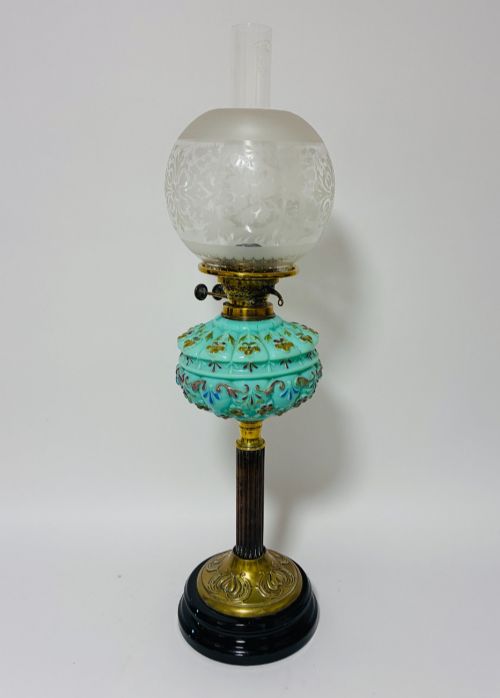
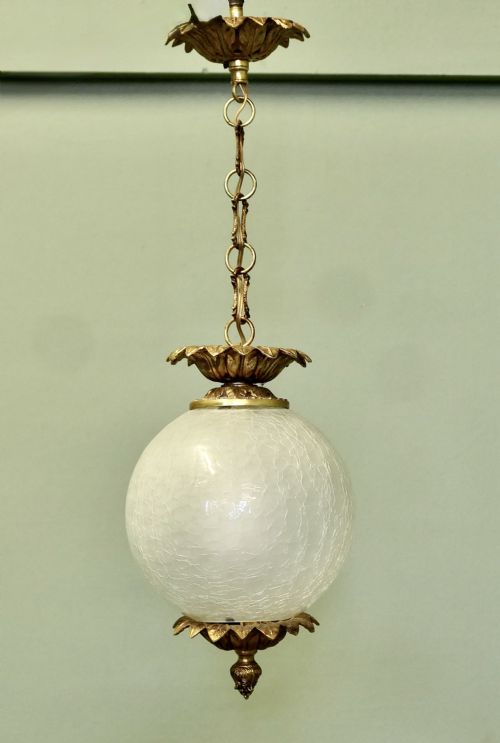
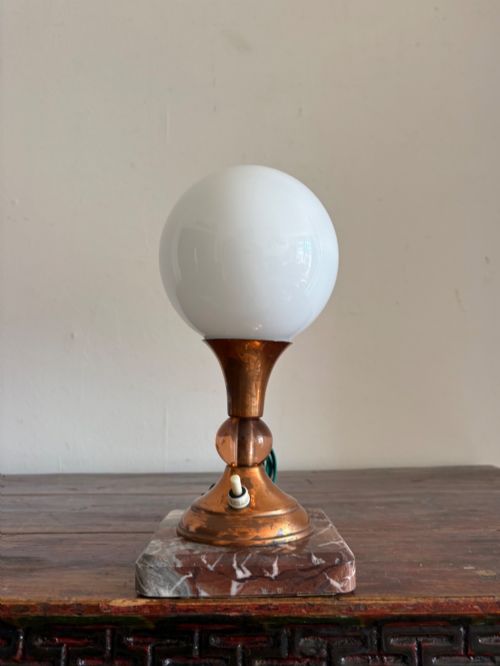
A glass globe shade lamp combines a spherical glass diffuser with bases made from brass, copper, marble, or ceramic.
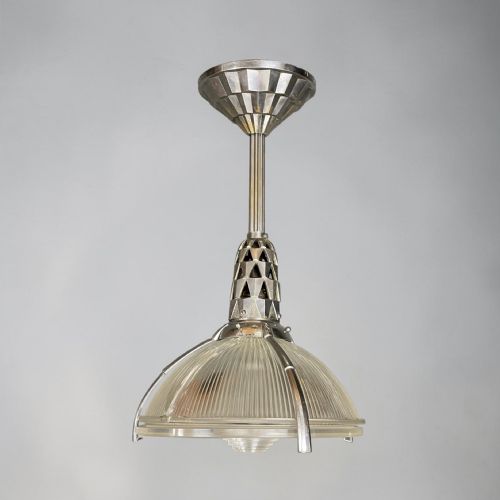
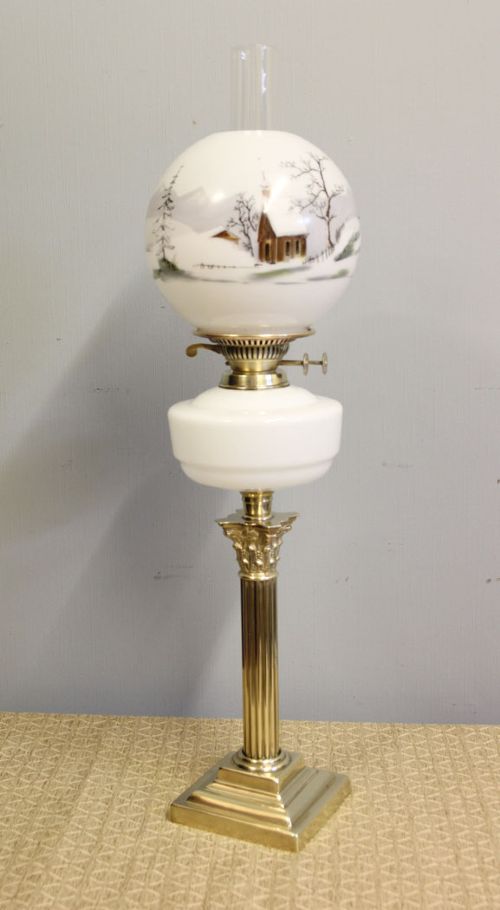
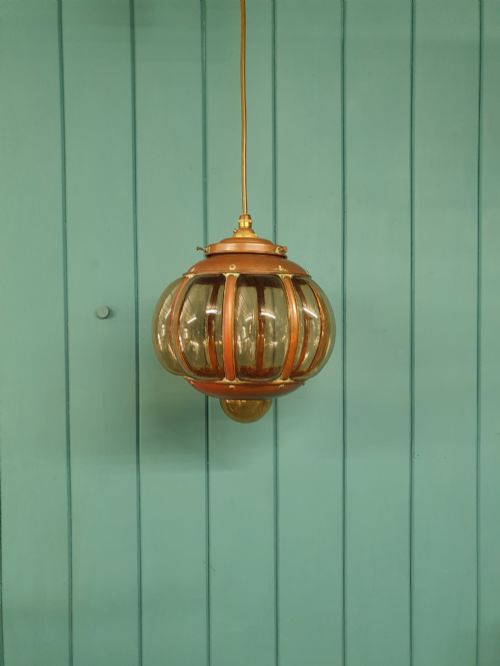
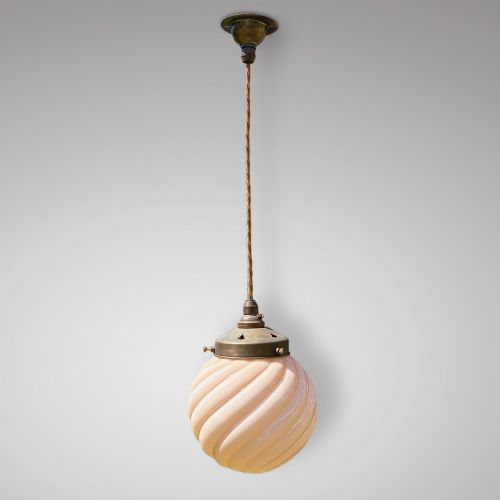
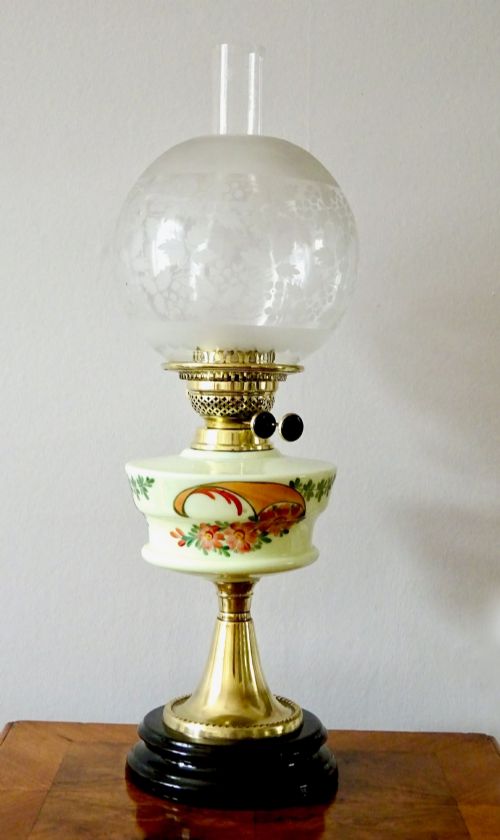
The selections span from Victorian oil lamps to Art Deco pendants and industrial ceiling lights.
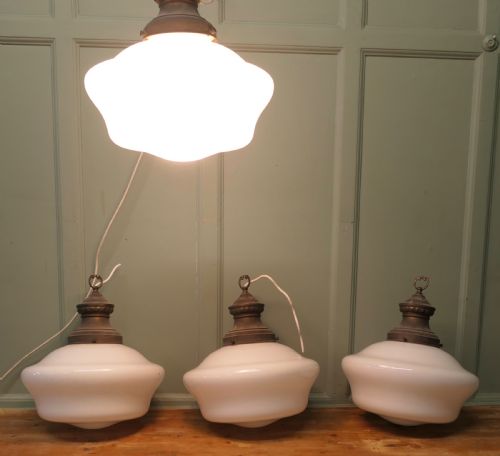
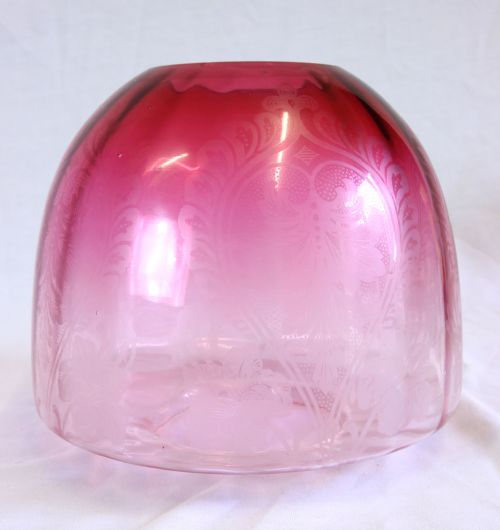
Victorian and Edwardian table lamps with brass columns and opaline or cranberry glass shades appear frequently alongside 1930s industrial pendants.
How they were made
Glassmakers blew and moulded glass into spherical globes, often incorporating opaline, frosted, cranberry, or moonstone finishes to soften the light.
Metal components relied on cast brass, copper, chrome, and gilt bronze, frequently paired with heavy marble bases for table stability.
Early lighting utilised oil burners before electrical wiring replaced them during the early twentieth century.
What varies in quality
The heft of the metalwork distinguishes superior pieces, with heavy cast brass, bronze, and marble outperforming thinner plated alternatives.
Glass quality depends on the depth of colour, uniformity of thickness, and the presence of hand-etched decoration rather than plain pressed finishes.
Maker signatures on the burner mechanism or base elevate a piece above unmarked domestic lighting.
Émile-Jacques Ruhlmann·Hinks of Birmingham·Perry and Co·Messengers·Harrods
The Glass Globe Shade Lamp Glossary
- Opaline glass
- A type of semi-opaque glass with a milky appearance, created by adding bone ash or other agents to the molten mixture. It diffuses light evenly without harsh glare.
- Torchiere
- A tall floor lamp that directs light upward toward the ceiling. These fixtures often feature decorative shafts and heavy weighted bases.
- Prismatic glass
- Glass moulded with intricate geometric ribs or prisms designed to refract and scatter light efficiently. Holophane units are well-known examples of this technique.
- Corinthian column
- An architectural column style featuring ornate acanthus leaves on the capital, frequently adopted for the stems of Victorian table lamps.
Glass Globe Shade Lamp: Frequently Asked Questions
How do I clean an antique glass globe?
Wash the glass gently in warm soapy water using a soft cloth, avoiding harsh abrasives that might damage etched patterns or tinted surfaces.
Dry the globe thoroughly with a lint-free cloth before mounting it back onto the brass gallery or ring.
Were these lamps originally electrified?
Many Victorian and Edwardian examples began life as oil lamps before being converted to electricity during later decades.
Twentieth-century designs like Art Deco pendants and industrial ceiling fixtures were manufactured specifically for electrical circuits.
How do I date an oil lamp?
Examine the burner mechanism stamps, the thread pitch of the collar, and the manufacturing style of the glass font.
Victorian pieces often feature ornate brass castings and cranberry or green glass, whereas later twentieth-century lights adopt streamlined chrome or bakelite.
Can I use modern light bulbs?
Most converted antique lamps accept standard screw or bayonet LED bulbs, provided the wattage matches safety limits for enclosed glass globes.
Consult a qualified electrician to check older wiring before regular use.