


Glass Front Oak Cabinet
A glass front oak cabinet brings together sturdy timber and clear glazing to store books, display collections or organise shop goods.
Glass Front Oak Cabinet
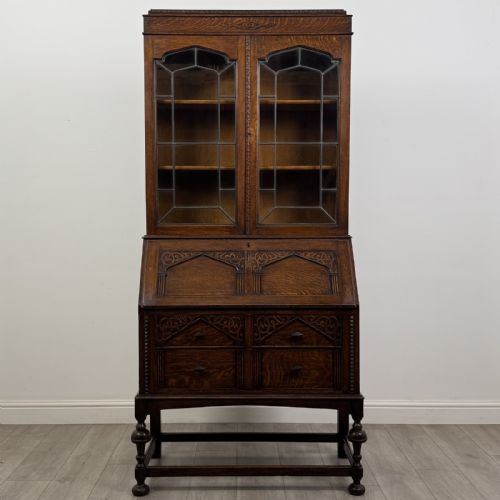
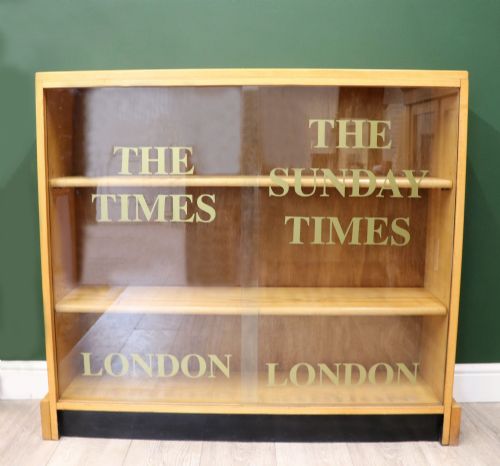
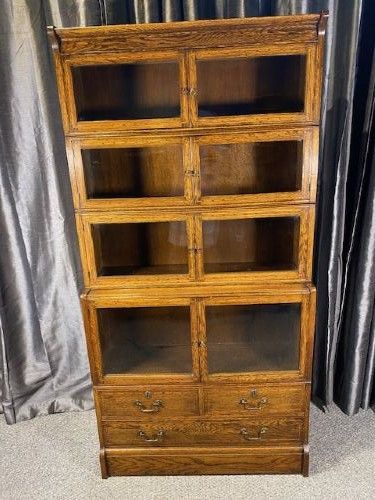
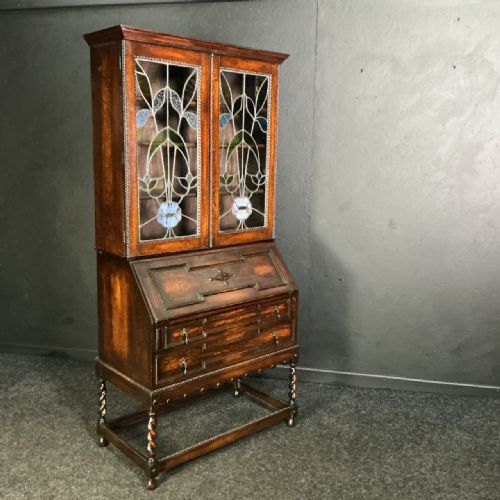
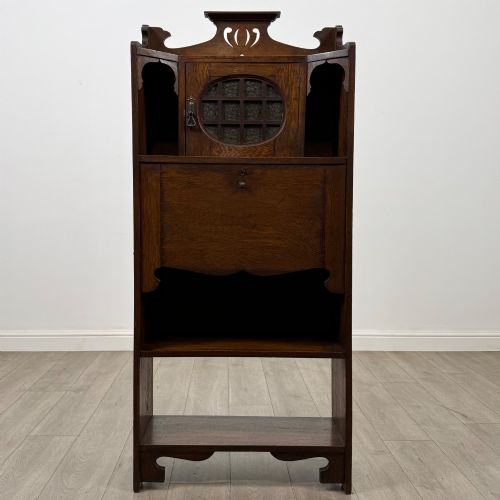
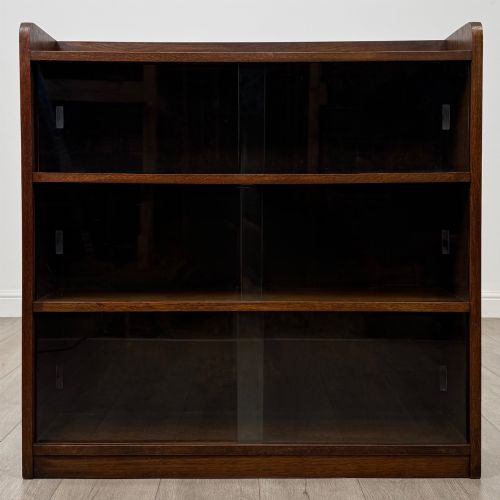
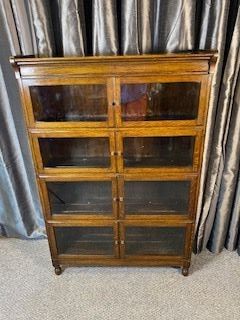
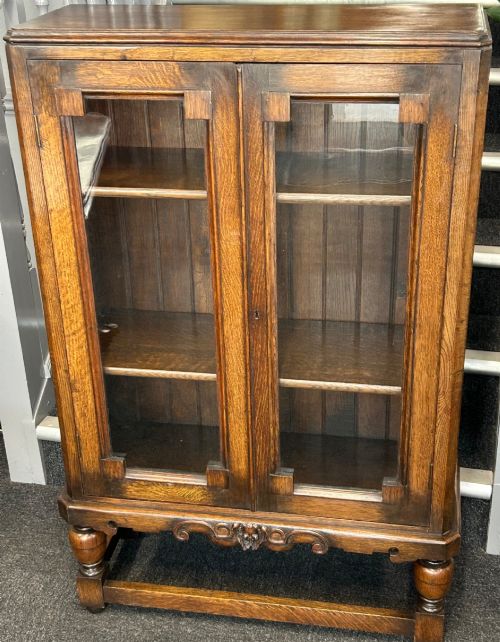
A glass front oak cabinet spans functional household furniture and commercial shop fittings, taking forms such as bookcases, display cabinets and bureaux. These pieces originate across the nineteenth and twentieth centuries, encompassing Edwardian, Arts and Crafts and Art Deco styles alongside Jacobean revival designs.
The domestic selection is dominated by barrister bookcases, bureau bookcases and floor standing display units. Commercial examples include haberdashery counters and shop display cabinets designed for retail use.
Construction relies heavily on oak timber fitted with glass panels, complemented by brass, lead, iron and chrome hardware. Most items belong to the Edwardian period or the 1920s and 1930s decades.
How they were made
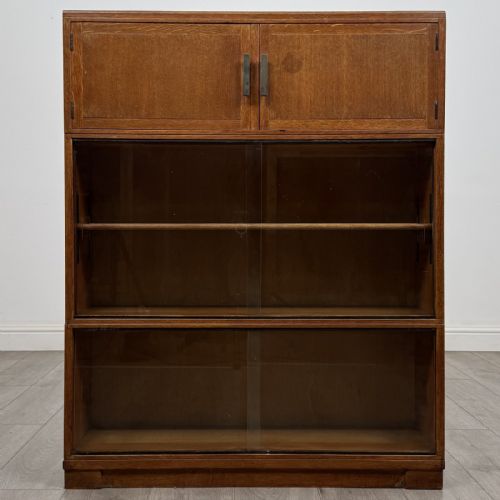
Makers constructed these cabinets using solid oak and oak veneers, shaping the timber into frames, panels and shelving units. Glazing techniques ranged from simple single panes to leaded lights and sectional stacking glass doors.
Metal components such as brass handles, iron hinges and chrome fittings were integrated to secure doors and drawers. Commercial haberdashery pieces often incorporated specialised hardware for retail display and counter use.
Glass Front Oak Cabinet Retail Price Guide 2026
Typical asking prices for glass front oak cabinet among the pieces listed under this phrase on Sellingantiques today, from the lower quarter to the upper quarter. They describe what is for sale here now, not the wider market.
The selection includes sectional stacking bookcases alongside bureau bookcases and retail haberdashery counters.
What varies in quality
Quality differences emerge in the selection of timber and the precision of the joinery. Cabinets featuring quarter-sawn oak with distinct medullary rays sit at a different level from standard utility builds.
The sophistication of the hardware and glazing marks another distinction between pieces. Custom leaded glass work, specialised stacking mechanisms and refined brass or chrome detailing indicate higher standards of production.
F. Sage & Co·Dudley & Co·Globe Wernicke·Liberty & Co·Heals
The Glass Front Oak Cabinet Glossary
- Barrister bookcase
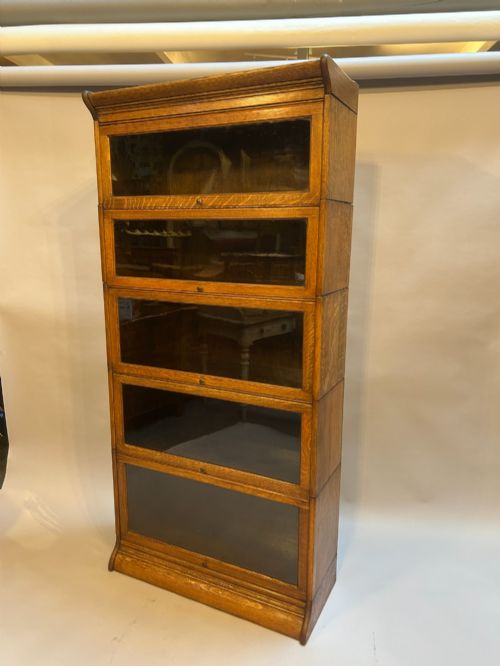
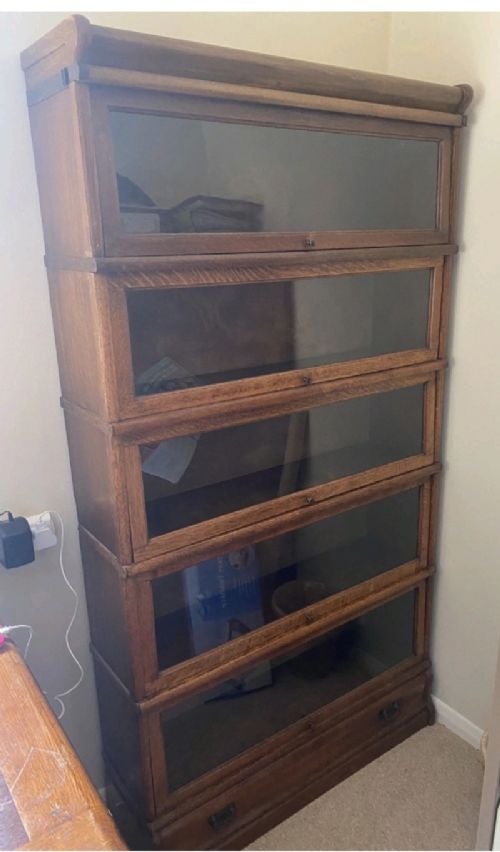
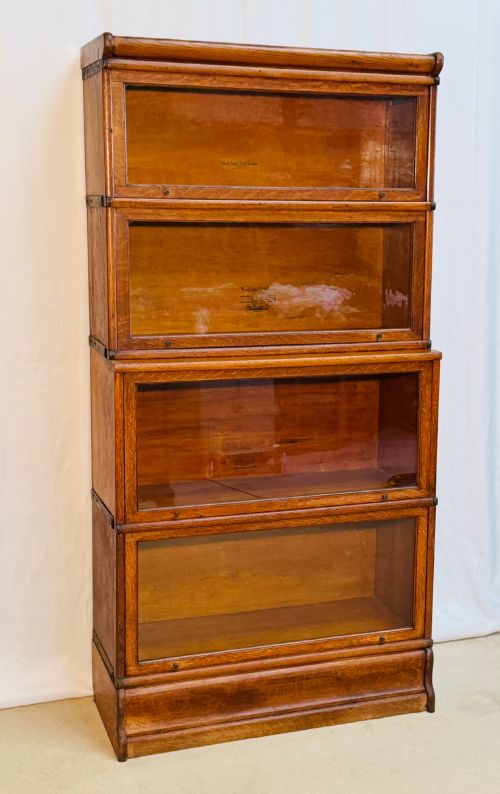
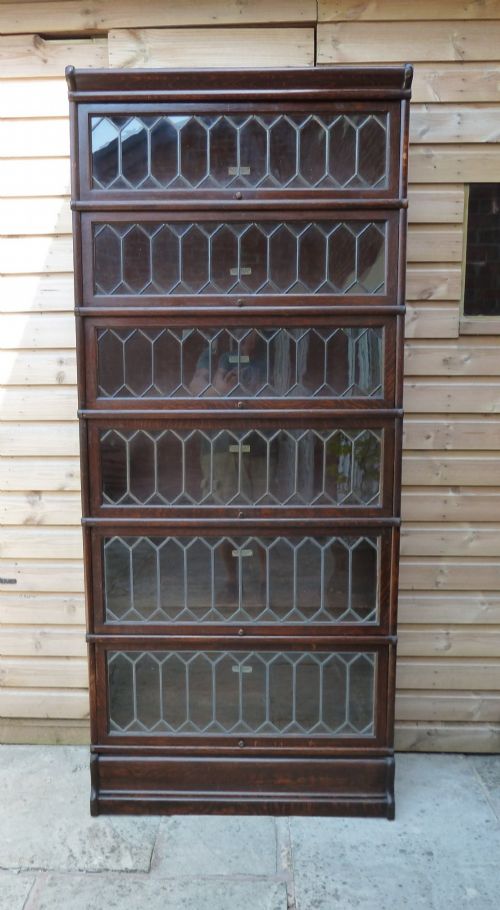
- A sectional stacking bookcase with glass doors that lift and slide into the cabinet above each shelf. This design allowed legal professionals to transport and expand their libraries easily.
- Bureau bookcase
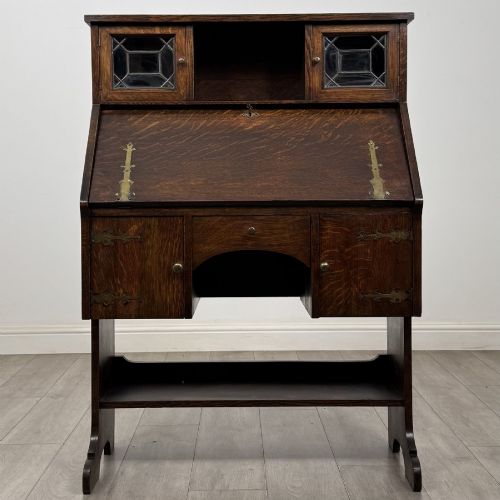
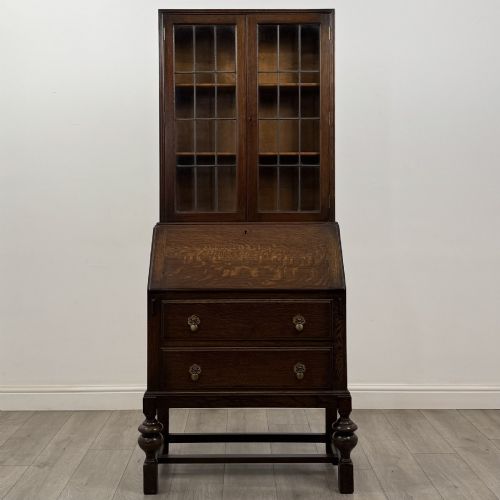
- A combination piece featuring a fold-down writing desk below a glazed bookcase section. These units integrate storage for writing materials with display space for books.
- Haberdashery counter
- A retail display unit fitted with glass fronts and numerous drawers or compartments for small goods. They were built for shop interiors during the early twentieth century.
- Leaded glass
- Glass panes held together within narrow strips of lead to form decorative windows or cabinet doors. This technique appears frequently in Edwardian and Arts and Crafts pieces.
- Quarter-sawn oak
- Timber cut radially to the tree rings, producing a distinctive grain pattern with visible silver flecks. This cut provides greater stability against warping.
Glass Front Oak Cabinet: Frequently Asked Questions
What is a barrister bookcase?
A barrister bookcase is a modular shelving unit made of stacked sections with individual glass doors. Each tier can be separated or added to as a collection grows.
These units were designed for easy transport and protection of law books in professional offices.
How do I date an oak cabinet?
Dating relies on stylistic clues, construction methods and hardware choices. Edwardian pieces often display Arts and Crafts influence, while 1930s items lean toward Art Deco lines.
Materials like chrome hardware point to the later decades of the twentieth century, whereas hand-cut joinery suggests earlier work.
Where were haberdashery cabinets used?
Haberdashery cabinets served as shop fittings in drapery and clothing stores. They displayed small items behind glass while storing stock in drawers.
Today these commercial units function as storage or display furniture in domestic interiors.
How should I clean oak furniture?
Dust oak surfaces regularly with a dry cloth to prevent grit buildup. Avoid silicone polishes that can leave a heavy residue on the timber.
Wax finishes benefit from occasional nourishment with traditional beeswax to maintain the sheen of the wood.