



Glass Condiment Shaker
Glass condiment shaker designs bring elegance to the table, offering practical function alongside period charm.
Glass Condiment Shaker
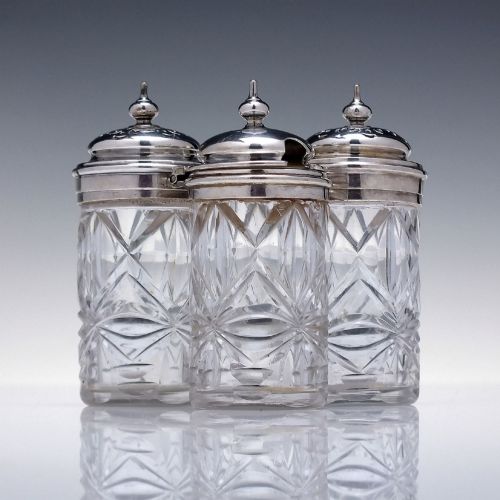
When you search for glass condiment shaker, you are exploring vessels designed for seasoning food at the dining table, ranging from single pepper pots to multi-bottle cruet sets. The pieces listed span periods from the Georgian era through to the mid-twentieth century, capturing shifts in domestic dining habits.
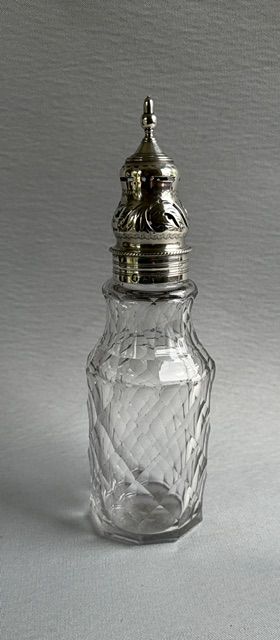
You are most likely to encounter Edwardian silver plated sets and Victorian novelty shakers on this page, alongside individual sugar casters and pepper pots. These items combine glassware with metal mounts, frames, or lids to serve mustard, salt, pepper, and sugar.
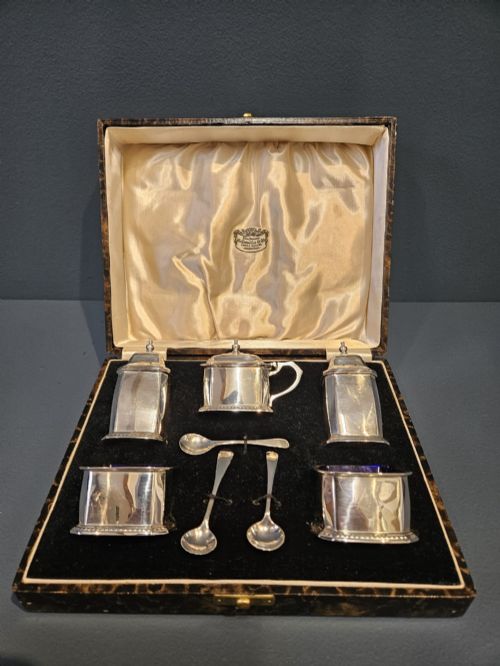
The assortment includes complete cruet stands holding multiple bottles alongside cased pairs and individual novelty vessels shaped like animals. Each piece reflects the functional requirements of the dining table across different decades.
What varies in quality
The distinction between ordinary and superior examples lies in the crispness of the glass cutting and the weight of the metal mounts. Heavier gauge silver and thick lead crystal indicate higher workshop standards.
Design complexity also separates standard items from the finest pieces, particularly in novelty forms such as animals or carriage cruet sets where fine detail defines the execution.
Glass Condiment Shaker Retail Price Guide 2026
Typical asking prices for glass condiment shaker among the pieces listed under this phrase on Sellingantiques today, from the lower quarter to the upper quarter. They describe what is for sale here now, not the wider market.
Goldsmith & Silversmith's·Preece & Willicombe
The Glass Condiment Shaker Glossary
- Cruet set
- A matched collection of bottles and pots held in a stand for condiments at the dining table. These frames often include handles for passing around the table.
- Sugar caster
- A tall shaker used for dusting sugar over food, typically featuring a pierced dome lid. Examples often combine a glass body with a hallmarked silver top.
- Pepperette
- A small pot designed specifically for dispensing ground pepper. This term frequently appears in descriptions of nineteenth-century novelty pieces.
- Silver plate
- A layer of silver fused to a base metal such as copper or Britannia metal. This technique allowed makers to produce elaborate frames at a lower cost than solid silver.
Glass Condiment Shaker: Frequently Asked Questions
What is a glass condiment shaker?
A glass condiment shaker is a table vessel used for dispensing seasonings like salt, pepper, or sugar during meals. They combine glass bodies with metal tops or frames.
These pieces range from simple individual pots to complex cruet sets containing multiple bottles for various seasonings.
How do I date a glass cruet set?
Dating relies on the style of the metal mountings, the shape of the cruet frame, and any hallmarks stamped on the silver components. Maker marks and assay office letters provide precise years for silver elements.
Glass manufacturing techniques and cutting styles also offer clues to whether a piece originates from the Georgian, Victorian, or Edwardian periods.
Were these sets used daily?
Most cruet sets and shakers were manufactured for regular dining use in middle and upper-class households. They stood on the dining table or sideboard throughout meals.
Cased sets and novelty pieces were sometimes reserved for special occasions or presented as gifts.
How do I clean antique silver and glass?
Cleaning requires separating the glass bodies from silver components where possible to protect both materials. Silver polish should be used cautiously to avoid damaging hallmarks or thin plating.
Warm soapy water cleans the glass sections effectively without harming delicate cut patterns or metal mounts.