





Glass Cocktail Set
A glass cocktail set brings period style to the home bar, pairing matching decanters and glassware for entertaining.
Glass Cocktail Set
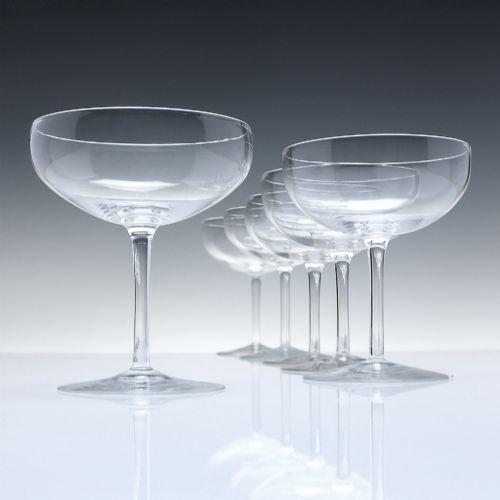
A glass cocktail set comprises matched drinking vessels, decanters, or jugs designed for serving spirits and mixed drinks together. Buyers searching for a glass cocktail set will find coordinated services ranging from compact decanter groupings to large suites of drinking glasses.
The selections span several eras, with pieces originating from the Victorian period through to the 1940s. Art Deco examples feature prominently alongside Edwardian services and earlier Victorian glassware.
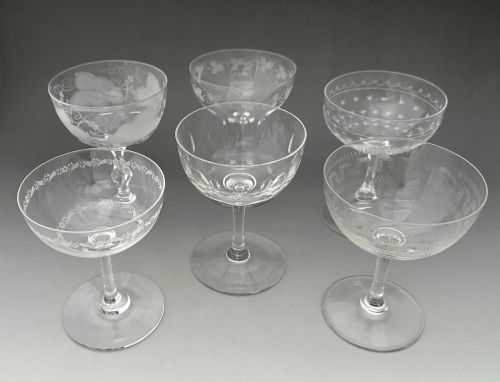
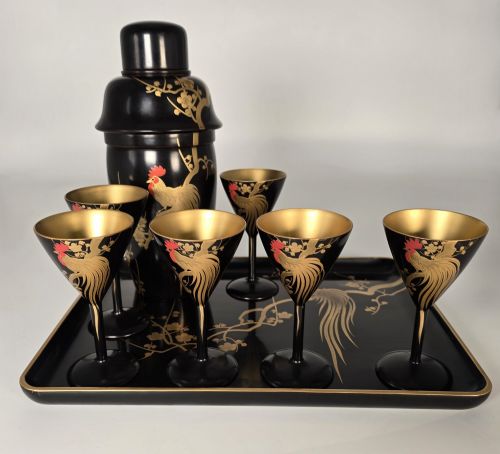
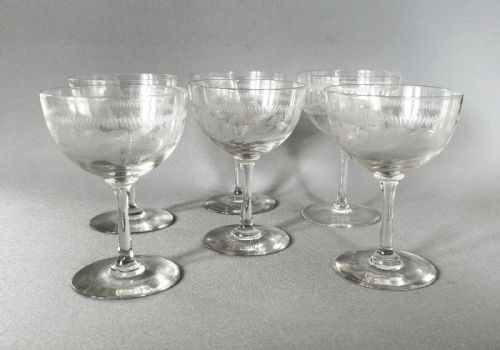
Forms include complete decanter sets with matching glasses, ice buckets with cut glass liners, and specialised services for champagne, wine, and liqueurs. Origins include British, French, Czech, Austrian, and Japanese workshops.
Materials and construction
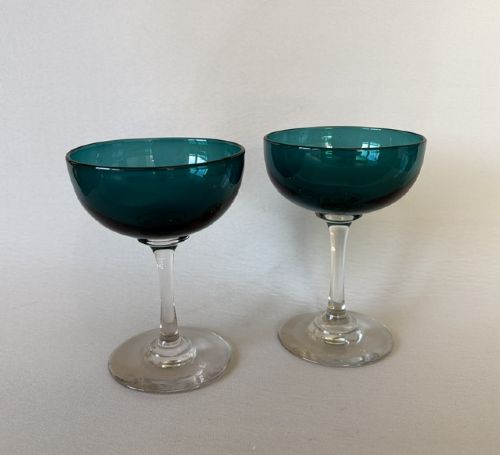
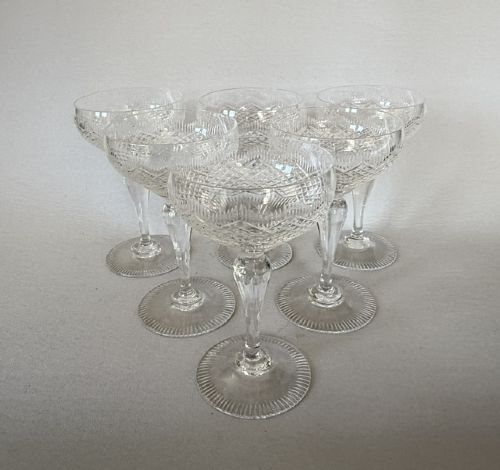
Glass forms the primary medium, utilising clear glass, crystal, and coloured variations such as green bowls or blue tones. Craftsmanship incorporates cut glass techniques, etched decoration, and hand-painted enamel details.
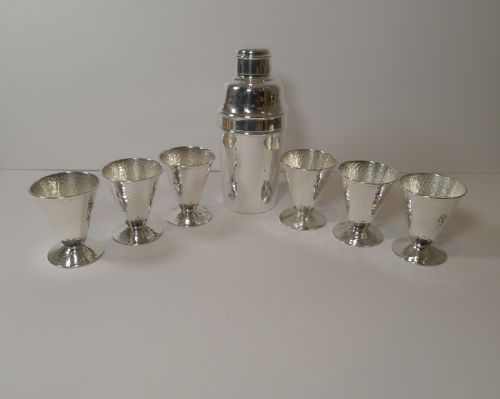
Metal elements frequently accompany the glassware, utilising silver plate, solid silver, or hammered silver plate for mounts, trays, tongs, and cocktail sticks. Wood and lacquer also appear in specific regional examples like Japanese sets.
Glass Cocktail Set Retail Price Guide 2026
Typical asking prices for glass cocktail set among the pieces listed under this phrase on Sellingantiques today, from the lower quarter to the upper quarter. They describe what is for sale here now, not the wider market.
The listings feature glass cocktail sets spanning the Victorian era, the Edwardian period, and the 1930s Art Deco movement.
Assessing quality in period glassware
Quality rests upon the clarity and weight of the glass, together with the precision of any cut or engraved patterns. Crisp wheel-cutting and refined etching distinguish superior services from simpler production.
The integrity of accompanying metalwork, such as silver-plated mounts and fitted trays, influences the overall standard of the set. Matching components across a complete suite preserve historical cohesion and utility.
Mosey·Riihimaki
The Glass Cocktail Set Glossary
- Champagne coupe
- A shallow, broad-bowled stemglass traditionally used for champagne and sparkling cocktails. Its wide brim encourages the release of aromas.
- Decanter set
- A matched grouping consisting of a spirit decanter accompanied by a set of matching drinking glasses, often presented on a matching tray.
- Cut glass
- Glassware shaped and patterned by abrasive wheels, creating deep geometric facets that catch the light. This technique enhances the brilliance of clear crystal.
- Silver plate
- A base metal, such as copper or Britannia metal, coated with a thin layer of silver. It provides the appearance of solid silver for ice buckets, trays, and cocktail accessories.
- Enamel
- A decorative, melted glass powder fused to the surface of glassware through firing. It adds opaque colour and intricate patterns to decanters and matching glasses.
Glass Cocktail Set: Frequently Asked Questions
What pieces belong in a vintage glass cocktail set?
A standard set typically includes a central decanter or jug accompanied by a matching group of six or more glasses. Some configurations also incorporate matching trays, ice buckets, or cocktail sticks.
Larger services may expand to include specialised glassware for wine, liqueurs, or champagne alongside the primary spirits decanter.
How do I care for antique glass cocktail sets?
Hand washing in lukewarm water with mild detergent preserves both the delicate glass and any applied enamel or silver-plated mounts. Avoid sudden temperature changes to prevent cracking historic crystal.
Store pieces securely on stable surfaces, keeping decanter stoppers matched to their original bottles to prevent chipping the rims.
How can I date an Art Deco cocktail set?
Art Deco sets from the 1930s generally display geometric motifs, clean lines, and stylized motifs such as jazz themes or cherry patterns. Czech glass producers were particularly prolific during this period, utilising vibrant colours and enamelling.
Maker signatures, registration marks, and accompanying silver hallmarks with specific date letters can provide precise confirmation of the manufacturing year.
Were these sets used exclusively for cocktails?
While marketed broadly for modern entertaining, many period services accommodated a wider array of beverages including wine, aperitifs, champagne, and liqueurs. Victorian and Edwardian services often focused on champagne coupes or wine glasses rather than mixed drinks.
By the 1930s, dedicated cocktail shakers, ice buckets, and specialised glassware became specifically tailored for the rising popularity of mixed drinks.